Welcome to Aquatic Weed Solutions. We offer expert insights and guides for identifying and managing aquatic weeds, fostering healthy water habitats. Explore and be inspired!
As you navigate the intricate waters of aquatic ecosystems, have you considered how the decomposition of aquatic weeds shapes the health of our waterways? Understanding this process is essential for effective management and restoration efforts.
What You Will Learn
Aquatic weed decomposition is a critical process that influences nutrient cycling and water quality.
Microbial activity, physical breakdown, and chemical reactions all contribute to the decomposition of aquatic plants.
Managing aquatic weeds effectively can prevent issues like eutrophication and low dissolved oxygen levels.
Different types of aquatic weeds, such as floating, submerged, and emergent plants, decompose at varying rates, impacting ecosystem health.
Regular monitoring of water quality and strategic use of herbicides are essential for sustainable aquatic management.
Comparative Analysis of Aquatic Plant Decomposition
This visual compares the decomposition rates and impact on water quality for different types of aquatic plants.
Aquatic Plant Decomposition Overview
Decomposition is critical for nutrient cycling but can negatively impact water quality. Microbes, physical forces, and chemical changes all contribute to this process, with varying effects depending on plant type and conditions.
Floating Plants
(e.g., Duckweed, Water Hyacinth)
Decomposition Rate:
Fast
Impact on Water Quality:
Rapid Oxygen Demand
Submerged Plants
(e.g., Hydrilla)
Decomposition Rate:
Moderate
Impact on Water Quality:
Gradual Nutrient Release
Emergent Plants
(e.g., Cattails, Phragmites)
Decomposition Rate:
Slow
Impact on Water Quality:
Stabilizes Sediment, Improves Clarity
Key Management Risk
Rapid decomposition can lead to:
Fish Kills (due to oxygen depletion)
Eutrophication (nutrient spikes, algal blooms)
Increased Chemical Oxygen Demand (COD)
Understanding Aquatic Weed Decomposition and Its Impact on Water Chemistry
As I explore the fascinating world of aquatic ecosystems, one critical process that stands out is aquatic weed decomposition. This natural phenomenon is essential for maintaining a balanced ecosystem and influences water chemistry in significant ways. Understanding how decomposition affects our waterways can empower us as landowners and waterway managers to make informed decisions about weed management and ecosystem restoration, particularly concerning the Strategic Research Action Plan for Healthy and Resilient Freshwater, Coastal, and Marine Ecosystems.
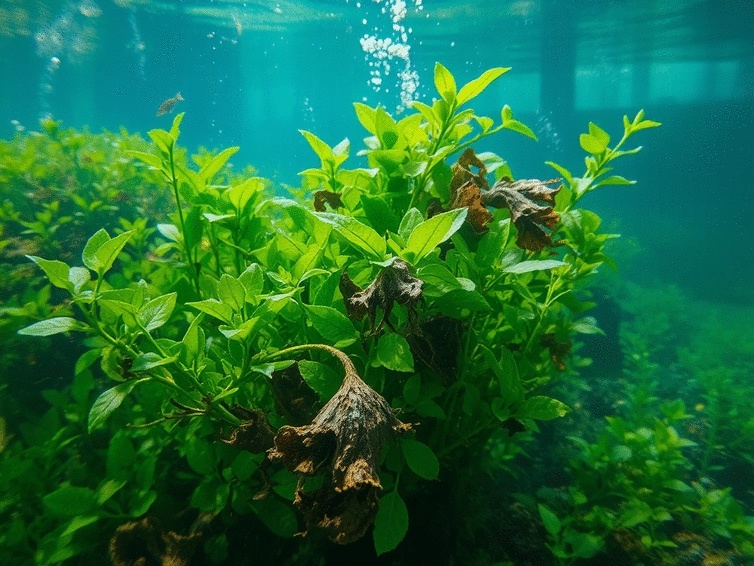
At its core, aquatic weed decomposition involves the breakdown of plant material, which can happen through various processes including microbial activity, physical wear and tear, and even chemical reactions. As these plants decay, they release nutrients back into the water, which can have both positive and negative effects on the aquatic environment.
What is Aquatic Weed Decomposition?
Let’s dive deeper! Aquatic weed decomposition is the process by which aquatic plants, such as algae and submerged vegetation, break down over time. This breakdown can occur due to natural processes or human activities, and it’s influenced by several factors such as water temperature and the presence of microorganisms.
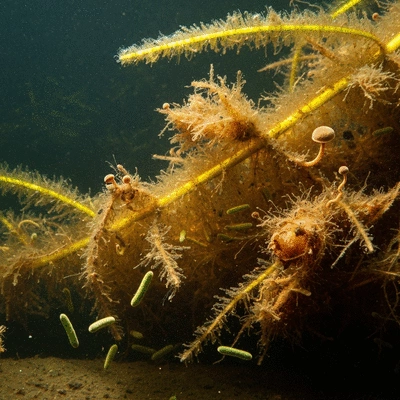
Microbial Decomposition: Bacteria and fungi play a key role in breaking down organic matter.
Physical Breakdown: Waves and currents can physically wear down plant material.
Chemical Decomposition: Changes in water chemistry can accelerate the breakdown of certain plants.
Understanding these processes is vital for anyone involved in managing aquatic ecosystems. Next, let's look at the different types of aquatic weeds that contribute to this decomposition process.
Defining the Process of Plant Breakdown
The breakdown of aquatic weeds involves a complex interplay of biological, physical, and chemical processes. As these plants decompose, they provide food for microorganisms, which accelerate nutrient cycling in the water. But it’s not all beneficial; rapid decomposition can lead to detrimental spikes in nutrient levels, which can disturb the ecological balance.
Types of Aquatic Weeds: From Floating to Submerged
Aquatic weeds come in various forms, each with unique characteristics and implications for decomposition. Common types include:
Floating Weeds: Examples include duckweed and water hyacinth, which can obstruct sunlight and hinder photosynthesis.
Submerged Weeds: Species like hydrilla often grow beneath the surface, affecting oxygen levels significantly.
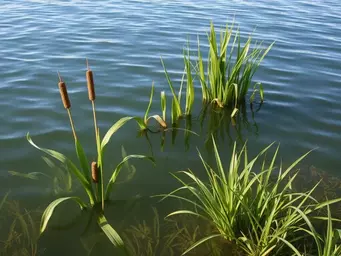
Emergent Plants: Plants that grow partially out of the water, such as cattails, play a crucial role in shoreline stabilization.
Recognizing these types helps us predict their decomposition behavior and plan effective management strategies to maintain healthy waterways.
The Role of Decomposition in Water Chemistry
Decomposition is a double-edged sword when it comes to water chemistry. While it recycles nutrients that are vital for aquatic life, it can also lead to problems if not managed properly. For example, the breakdown of large amounts of organic matter can significantly reduce dissolved oxygen levels in the water, which is critical for fish and other aquatic organisms.
This relationship highlights the importance of understanding how we manage aquatic weeds. By doing so, we can prevent issues like eutrophication, which can lead to harmful algal blooms and degraded water quality, as further discussed by the Washington State Department of Ecology on controlling aquatic plants for clean water initiatives.
How Decomposition Affects Dissolved Oxygen Levels
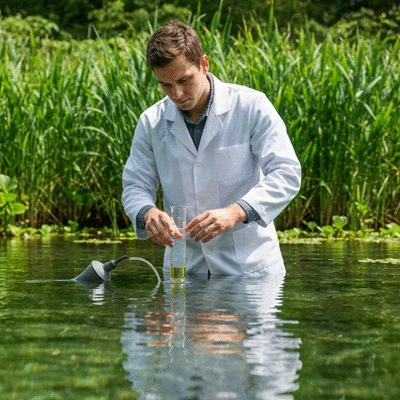
When organic matter decomposes, the process consumes oxygen, which can lead to hypoxic conditions – a lack of sufficient oxygen in the water. This is particularly detrimental to fish and other aquatic life that rely on adequate oxygen levels to thrive. It's crucial to monitor these conditions, especially during peak decomposition periods.
Nutrient Release: Understanding Nitrogen and Phosphorus Spikes
As aquatic weeds decompose, they release nutrients, particularly nitrogen and phosphorus, into the water column. While these nutrients are essential for plant growth, an excess can lead to nutrient overload and eutrophication, resulting in algal blooms that can choke aquatic life. Awareness of nutrient dynamics is vital for effective management.
The Chemical Oxygen Demand (COD) and Its Importance
Another critical factor influenced by decomposition is the Chemical Oxygen Demand (COD). This measurement indicates the amount of oxygen required to chemically oxidize organic material in the water. High COD levels can signal an excess of decomposing material, which may hint at deeper issues within the aquatic ecosystem.
The Connection Between Eutrophication and Water Quality
Ultimately, understanding the connection between decomposition and water quality is crucial. Rapid decomposition can trigger a chain reaction, leading to eutrophication and other water quality issues. As we dive deeper into this topic, it becomes clear that effective management of aquatic weeds is essential for sustaining healthy ecosystems.
Variations in Decomposition Rates Among Different Aquatic Plants
Not all aquatic plants decompose at the same rate. The differences among species can greatly impact the overall health of the waterway. By identifying these variations, we can tailor management practices that address specific challenges.
Species-Specific Breakdown Effects: Phragmites vs. Other Weeds
For instance, the tall and robust Phragmites (common reed) decomposes at a different rate compared to other weeds like duckweed or water hyacinth. Understanding these differences can help in predicting how quickly a waterway might experience changes in nutrient levels and oxygen demand.
Comparative Analysis of Floating, Submerged, and Emergent Plants
Let's look at a comparative analysis of these plants:
Plant Type
Decomposition Rate
Impact on Water Quality
Floating
Fast
Can increase oxygen demand rapidly
Submerged
Moderate
Releases nutrients gradually
Emergent
Slow
Stabilizes sediment and improves water clarity
This comparative analysis is vital for understanding how different plants contribute to the overall water chemistry and highlights the need for targeted management approaches.
The Role of Microbial Activity in Decomposition Rates
Microbial activity is a key player in the decomposition process. The presence of bacteria and fungi actively breaking down plant matter can accelerate decay, impacting nutrient cycling and overall water quality. Monitoring microbial populations can offer insights into the health of aquatic ecosystems and inform management decisions.
Frequently Asked Questions About Aquatic Weed Decomposition
What is aquatic weed decomposition?
Aquatic weed decomposition is the natural process where aquatic plants break down over time, influenced by microbial activity, physical forces, and chemical reactions. This process is crucial for nutrient cycling in aquatic ecosystems.
How does rapid decomposition affect water quality?
Rapid decomposition can significantly reduce dissolved oxygen levels, potentially causing fish kills. It also releases excess nutrients like nitrogen and phosphorus, leading to eutrophication and harmful algal blooms.
Do all aquatic weeds decompose at the same rate?
No, decomposition rates vary significantly among different types of aquatic weeds. Floating plants typically decompose quickly, submerged plants at a moderate rate, and emergent plants (like cattails) decompose slowly, each having different impacts on water quality.
What are some effective management techniques for aquatic weed decomposition?
Effective techniques include regular monitoring of water quality, judicious use of targeted herbicides, implementing aeration systems to boost oxygen, and utilizing biomass for nutrient cycling. Projects like the Delta Region Areawide Aquatic Weed Project demonstrate comprehensive strategies.
What is the Chemical Oxygen Demand (COD) and why is it important?
Chemical Oxygen Demand (COD) measures the amount of oxygen needed to chemically oxidize organic material in water. High COD levels indicate an abundance of decomposing organic matter and can signal underlying issues in the aquatic ecosystem.
Management Risks Associated with Rapid Decomposition
While decomposition is a natural process, rapid breakdown of aquatic weeds presents its own set of challenges. As professionals invested in ecological balance, it is essential to recognize and mitigate these risks effectively.
Fish Kills: Causes and Prevention Strategies
One of the most alarming outcomes of rapid decomposition is the potential for fish kills. When oxygen levels drop drastically due to excessive decomposition, fish can suffocate. Understanding and monitoring decomposition rates can help implement prevention strategies, such as aeration or selective harvesting of weeds.
Using Herbicides: Understanding Safety and Effectiveness
Herbicides can be a double-edged sword in aquatic weed management. While they may effectively control weed growth, their application must be carefully considered to prevent adverse effects on water quality and non-target species. Knowledgeable use of herbicides is crucial for maintaining a healthy aquatic environment.
Impact of Algal Blooms on Aquatic Ecosystems
Rapid decomposition can lead to algal blooms, which can shade out submerged plants and disrupt the entire aquatic ecosystem. Understanding the pathways that lead to these blooms is essential for effective management and restoration efforts. By addressing these potential issues, we can work towards healthier waterways.
Best Practices for Managing Aquatic Weed Decomposition
So, what can we do to manage aquatic weed decomposition effectively? I believe that with the right practices in place, we can mitigate the negative impacts while enhancing the benefits of decomposition.
Herbicide Treatment Guidelines: Copper, Diquat, and More
When considering herbicide treatments, it is vital to follow established guidelines to ensure safety and effectiveness. Products like copper-based herbicides and Diquat have specific application methods and timings that maximize their impact while minimizing harm to aquatic life. Referencing reputable guidelines and seeking expert advice can aid in making informed decisions.
Alternative Management Techniques: Aeration and Staged Treatments
Aeration is one effective method to mitigate the risks associated with rapid decomposition. By increasing oxygen levels in the water, we can support aquatic life and promote a balanced ecosystem. Additionally, staged treatments can help manage weed growth while reducing the chances of sudden nutrient spikes, allowing for a more gradual decomposition process.
Utilizing Biomass for Nutrient Cycling in Water Bodies
Another innovative approach is utilizing biomass from decomposed aquatic weeds for nutrient cycling. By recycling nutrients back into the ecosystem, we can enhance the growth of beneficial aquatic plants while reducing the negative impacts of decomposition. This method aligns with our mission at Aquatic Weed Solutions to promote ecological balance.
Innovative Approaches to Mitigate Negative Impacts
As we look ahead, innovation is key to managing aquatic weed decomposition and its effects. Embracing new technologies and methods can open up pathways to better ecosystem management.
Technological Solutions: Aeration Devices and Bioremediation
Emerging technologies, such as advanced aeration devices and bioremediation techniques, can significantly improve our capacity to manage decomposition. These methods can help maintain optimal oxygen levels and facilitate the breakdown of organic matter without harming the ecosystem.
Climate Considerations: How Warming Affects Decomposition
As climate change continues to impact our environment, understanding how warming affects decomposition rates is essential. Warmer water temperatures can accelerate decomposition, leading to more frequent oxygen depletion and nutrient spikes. Being proactive in our management approaches can help address these challenges.
Understanding Water Stratification and Its Implications
Water stratification can complicate decomposition processes, as it creates layers in the water column that may affect oxygen distribution. Recognizing these stratifications allows us to implement targeted strategies to manage aquatic weeds and enhance the overall health of our water bodies.
Real-World Case Studies on Aquatic Weed Management
To truly grasp the impact of effective aquatic weed management, it's helpful to look at real-world examples. Case studies provide insights into successful treatments and the lessons learned along the way.
Success Stories: Effective Treatments in Local Lakes
Several local lakes have successfully implemented management strategies that highlight the importance of understanding decomposition. By employing a combination of mechanical removal and targeted herbicides, these initiatives have seen significant improvements in water quality and ecosystem health.
Lessons Learned: Evaluating Long-Term Outcomes
Evaluating the long-term outcomes of these case studies reveals valuable lessons about the sustainability of various management approaches. Sharing these experiences can foster a community of informed managers who are better equipped to make sound decisions regarding aquatic ecosystems.
Pro Tip
Did you know? Monitoring the water temperature can significantly improve your understanding of decomposition rates in aquatic ecosystems. Warmer temperatures often accelerate the breakdown of organic matter, which in turn can lead to rapid nutrient release. Regularly checking temperature can help you anticipate changes in water chemistry and take proactive measures to protect your aquatic environment.
Summarizing the Importance of Understanding Aquatic Weed Decomposition
At Aquatic Weed Solutions, we truly believe that recognizing the importance of aquatic weed decomposition is crucial for maintaining healthy ecosystems. Understanding how decomposition impacts water chemistry can help us make informed decisions about managing our water bodies. By grasping these dynamics, we can balance the benefits and risks that come with decomposition in aquatic environments!
As we consider the big picture, several key takeaways emerge. First, while decomposition serves as a vital process that recycles nutrients, it can also lead to challenges like eutrophication and low oxygen levels. Therefore, it's essential to weigh these aspects carefully as we pursue effective management strategies.
Key Takeaways on Water Chemistry and Ecosystem Health
Understanding the Balance: Benefits vs. Risks of Decomposition
Decomposition plays a dual role in aquatic ecosystems, and it's essential to understand both sides. On the one hand, it enriches water bodies with nutrients, enhancing productivity and supporting diverse biological communities. On the other hand, rapid decomposition can lead to harmful consequences. Here are some key points to consider:
Nutrient Cycling: Decomposition releases essential nutrients, such as nitrogen and phosphorus, back into the ecosystem.
Oxygen Consumption: As organic matter breaks down, it can consume dissolved oxygen, impacting fish and other aquatic life.
Water Quality: Balancing nutrient levels is vital to preventing algal blooms and maintaining overall water quality.
By carefully managing these aspects, we can foster healthier aquatic environments that support thriving ecosystems.
Effective Management Techniques for Sustainable Aquatic Environments
To ensure that decomposition remains a beneficial process, we must apply effective management techniques. Here are a few practices that I've found to be particularly helpful:
Implementing regular monitoring of water quality and decomposition rates.
Using targeted herbicides judiciously to control aquatic weeds while minimizing negative impacts.
Incorporating aeration systems to enhance oxygen levels and promote healthy microbial activity.
These strategies not only help mitigate the risks associated with decomposition but also promote the sustainable health of our waterways.
Encouraging Responsible Practices Among Waterway Managers
Promoting Awareness of Herbicide Use and Its Impacts
As someone who has worked closely with landowners and managers, I can't stress enough the importance of responsible herbicide use. While these treatments can be effective, they also come with potential risks to non-target species and overall water quality. Raising awareness about the impact of herbicides is crucial for making informed management decisions.
Consider educating yourself and others on the best practices surrounding herbicide application, including:
Selecting the right herbicide for the specific weed type.
Timing applications to align with the growth stages of invasive species.
Understanding local regulations and safety protocols.
Engaging Stakeholders: Community Involvement in Aquatic Management
Community engagement is vital in promoting responsible aquatic management. By involving stakeholders such as local residents, ecologists, and waterway managers, we can create a collaborative approach to managing aquatic ecosystems. Here are a few strategies to foster involvement:
Hosting workshops and informational sessions on aquatic management techniques.
Encouraging community clean-up events to enhance local awareness.
Forming partnerships with local organizations to promote shared goals.
When we work together, we can achieve a greater impact in preserving our aquatic environments!
Recognizing the Role of Biological Indicators in Monitoring Health
Biological indicators, such as certain fish or macroinvertebrate species, can provide valuable insights into the health of aquatic ecosystems. By monitoring these indicators, we can gauge the effectiveness of our management strategies. Understanding how these organisms respond to changes in water quality helps us adapt our approaches for better outcomes.
Next Steps for Readers: Take Action for Healthier Water Bodies
Implementing Best Practices in Your Local Waterways
As a passionate ecologist, I encourage you to take proactive steps in your own waterways! Implementing best practices for managing aquatic weeds can make a big difference in enhancing the health of your local ecosystems. Here are some actions you can take:
Identify and monitor aquatic weed species in your area.
Share knowledge with neighbors and local communities about effective management strategies.
Participate in local conservation efforts to restore and protect water bodies.
Your involvement can lead to significant improvements in our aquatic environments!
Staying Informed: Resources for Ongoing Learning and Support
Continuously educating yourself about aquatic ecosystems is vital. Aquatic Weed Solutions offers a wealth of resources, including guides and webinars, to support your learning journey. Don't hesitate to explore our website for helpful materials that can aid in managing aquatic weeds effectively.
Understanding the Carbon Cycle and Its Relevance to Aquatic Habitats
Lastly, understanding the carbon cycle is essential for recognizing how it influences aquatic habitats. The decomposition process is a key part of this cycle, affecting carbon storage and release in our water bodies. By grasping these concepts, we can better appreciate the interconnectedness of our ecosystems and make informed decisions to protect our natural resources.
Recap of Key Points
Here is a quick recap of the important points discussed in the article:
Aquatic weed decomposition is crucial for recycling nutrients but can lead to eutrophication and low oxygen levels if not managed properly.
Types of aquatic weeds include floating, submerged, and emergent plants, each affecting water quality and decomposition rates differently.
Monitoring water quality and decomposition rates is essential to prevent detrimental spikes in nutrient levels.
Effective management techniques include using targeted herbicides, aeration, and utilizing biomass for nutrient cycling.
Community involvement is vital for promoting responsible aquatic management and ensuring healthier waterways.
At Aquatic Weed Solutions, we are dedicated to informing landowners, ecologists, and waterway managers about aquatic weeds and their effective management. Our mission is to empower you with knowledge and tools to identify, manage, and restore balanced aquatic habitats.


Aquatic Weed Control Methods Explained
Identify Aquatic Weeds Effectively
Evaluating Your Aquatic Weed Strategy
Restoring Ecosystems After Aquatic Weeds
Choosing Aquatic Weed Control Services