Welcome to Aquatic Weed Solutions. We offer expert insights and guides for identifying and managing aquatic weeds, fostering healthy water habitats. Explore and be inspired!
By understanding the roles of aquatic weeds, we can take meaningful action to protect and enhance our local waterways. As we delve into the complexities of these plants, consider how you can contribute to healthier aquatic ecosystems in your community.
What You Will Learn
Aquatic weeds are essential for ecosystem balance, providing habitat and improving water quality.
Floating weeds, like duckweed, can block sunlight and hinder oxygen levels in water bodies.
Emergent weeds, such as cattails, stabilize shorelines while potentially competing with native plants.
Effective management requires regular inspections and tailored control strategies for both weed types.
Floating vs. Emergent Aquatic Weeds: A Comparative Overview
This comparison highlights the key characteristics and ecological roles of floating and emergent aquatic weeds, illustrating their distinct impacts on aquatic ecosystems.
Understanding Aquatic Weeds
Aquatic weeds are diverse plants growing in or near water, crucial for ecosystem balance. They stabilize shorelines and filter water but can become invasive if unchecked.
✓ Habitat Creation
✓ Water Quality Improvement
✓ Soil Stabilization
Floating Weeds
Drift freely on the water's surface, often forming dense mats.
● Examples: Duckweed, Water Lettuce
● Impact: Block sunlight, reduce oxygen levels
Emergent Weeds
Rooted in soil, extending above the waterline in shallow areas.
● Examples: Cattails, Bulrushes
● Impact: Stabilize shorelines, can compete with native plants
Actionable Next Steps for Management
Regular inspections, utilizing illustrated guides, and developing management plans are crucial for effective weed control.
Understanding Floating and Emergent Aquatic Weeds
Have you ever taken a stroll by your local pond or lake and noticed the greenery that seems to dance on the surface? Those plants are known as aquatic weeds, and they play a crucial role in maintaining the balance of aquatic ecosystems. Understanding these plants is essential for anyone involved in the management of waterways, as they can either enhance or disrupt natural habitats.
Aquatic weeds can vary significantly in type, with some floating freely on the surface while others emerge from the water's depths. By recognizing their importance, we can develop better strategies for maintaining our waterways and ensuring they thrive. The more knowledge we have, the better equipped we'll be to tackle the challenges these plants present! For more detailed information on identifying and managing aquatic vegetation, refer to resources like Purdue University's guide.
What Are Aquatic Weeds and Why Are They Important?
Aquatic weeds are a diverse group of plants that grow in or near water bodies. They can serve various functions, such as providing habitat for fish and wildlife, stabilizing shorelines, and even improving water quality. However, when left unchecked, certain species can become invasive and disrupt the delicate balance of aquatic ecosystems.
Habitat Creation: Aquatic weeds can offer shelter and breeding grounds for many aquatic organisms.
Water Quality Improvement: They can absorb excess nutrients and help filter pollutants, benefiting overall water health.
Soil Stabilization: Their root systems can prevent soil erosion along banks and shorelines.
As we explore the different types of aquatic weeds, we’ll discover how they impact the ecosystems around us. Understanding their roles will empower us to manage these plants effectively and foster healthier aquatic environments.
The Difference Between Floating and Emergent Aquatic Weeds
Aquatic weeds can generally be categorized into two main types: floating and emergent. Floating aquatic weeds are those that drift on the water's surface, while emergent weeds are rooted in the soil but extend above the waterline. This fundamental difference influences how they interact with their environment and the challenges they present for management.
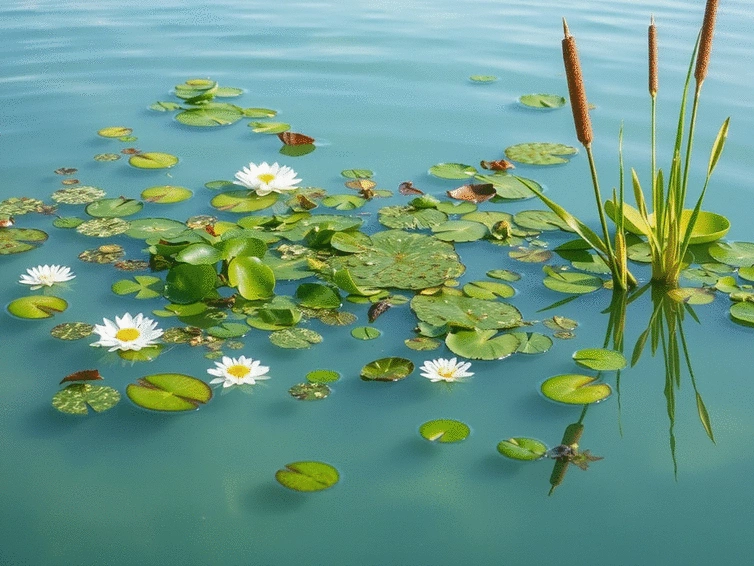
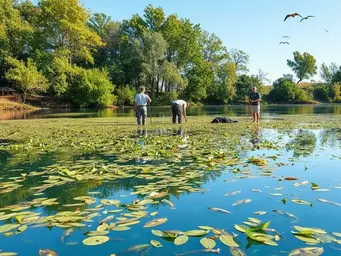
Floating Weeds: These plants, such as duckweed and water lettuce, often have leaves that float on the surface. They can quickly cover large areas of water, blocking sunlight and reducing oxygen levels.
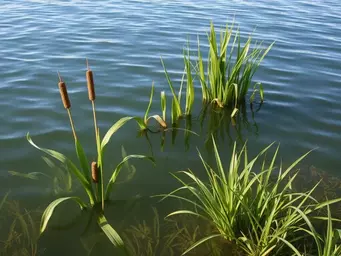
Emergent Weeds: These include species like cattails and bulrushes that thrive in shallow waters. They can help stabilize shorelines but may also compete with native plants for resources.
Recognizing these two categories is vital for effective management, as the control methods and ecological impacts can differ significantly between floating and emergent species. By understanding their unique characteristics, we can take informed steps towards maintaining balanced and healthy aquatic ecosystems. For further reading on aquatic weed control methods, consult resources such as SRAC Fact Sheet 360.
Pro Tip
When managing aquatic weeds, consider integrating biological control methods. Introducing natural predators or competitors can help maintain a balanced ecosystem without relying solely on chemical treatments. This approach not only helps in controlling invasive species but also supports biodiversity in your local waterways.
Frequently Asked Questions About Aquatic Weeds
Understanding the nuances of aquatic weeds can sometimes lead to questions. Here are some frequently asked questions to help clarify common concerns:
What is the primary role of aquatic weeds in an ecosystem? Aquatic weeds play a crucial role by providing habitat for fish and wildlife, stabilizing shorelines, and improving water quality through nutrient absorption and pollutant filtration.
How do floating weeds differ from emergent weeds? Floating weeds, like duckweed, drift freely on the water's surface, while emergent weeds, such as cattails, are rooted in the soil but grow above the waterline.
What are the negative impacts of an abundance of floating weeds? An excessive amount of floating weeds can block sunlight from reaching submerged plants, reduce oxygen levels in the water, and hinder aquatic life.
Can emergent weeds be beneficial? Yes, emergent weeds are often beneficial as they help stabilize shorelines and provide shelter and breeding grounds for various aquatic species. However, they can become problematic if they outcompete native plants.
What are the first steps in effective aquatic weed management? Effective management begins with regular inspections to identify both native and invasive species, utilizing identification guides, and developing a tailored management plan that may include both mechanical and biological control methods.
Summarizing Key Insights on Aquatic Weeds
As we reflect on our journey through the world of aquatic weeds, it's clear that understanding both floating and emergent weeds is crucial for maintaining healthy ecosystems. These plants play significant roles in our waterways, providing habitat and supporting biodiversity. By recognizing their unique characteristics, landowners and waterway managers can make informed decisions that enhance the health of their aquatic environments.
In summary, we’ve learned that floating weeds tend to drift freely on the water's surface, while emergent weeds grow partially above the water. Each type contributes differently to the ecosystem's balance. By understanding these differences, we can better manage their presence in our local habitats.
What Have We Learned About Floating and Emergent Weeds?
Throughout our exploration, we've identified some key takeaways about floating and emergent weeds:
Floating weeds like duckweed and water lettuce thrive on the surface, often forming dense mats that can impact light penetration and oxygen levels.
Emergent weeds, such as cattails and bulrush, extend above the water, providing shelter and breeding grounds for various aquatic species.
Both types of weeds can affect water flow, nutrient cycling, and overall water quality, making it essential to monitor their growth closely.
Understanding these differences helps us tailor our management strategies. For instance, recognizing the signs of invasive species can lead to swift action, preserving ecological balance.
Next Steps for Effective Weed Management
So, what can you do to effectively manage aquatic weeds in your area? Here are some actionable next steps:
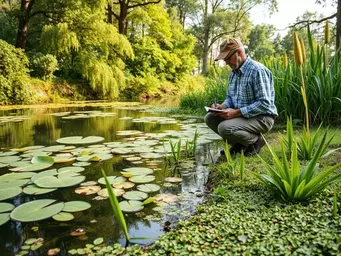
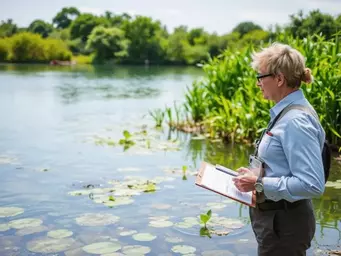
Conduct regular inspections of your local waterways to identify both native and invasive species.
Utilize resources from Aquatic Weed Solutions, such as our illustrated guides, to enhance your identification skills. Further guidance on identification and management can be found in resources like NCSU Extension's Aquatic Weed ID and Management guide.
Develop a management plan that incorporates both mechanical and biological control methods to address any infestations.
By taking these steps, you not only contribute to the health of your local ecosystem but also empower others in your community to take action.
Encouraging Community Engagement and Contribution
Community involvement is a powerful tool in managing aquatic weeds. By engaging with your neighbors and local organizations, we can foster a culture of conservation that benefits everyone. At Aquatic Weed Solutions, we believe that shared knowledge and resources can lead to effective action against invasive species.
How You Can Help with Local Aquatic Weed Identification
Every individual can play a part in aquatic weed management. Here are some ways you can get involved:
Volunteer for local clean-up efforts and workshops to learn about aquatic weeds and their management.
Share your observations with local environmental groups or on social media to raise awareness.
Encourage local schools to incorporate aquatic education into their curricula, highlighting the importance of healthy waterways.
Your participation not only helps in identifying and managing weeds but also inspires others to take responsibility for their local ecosystems!
Resources for Sharing Your Findings and Observations
To facilitate community engagement, there are several platforms and resources where you can share your findings:
Online forums focused on ecological conservation where you can post images and descriptions of aquatic weeds.
Mobile apps designed for plant identification, allowing you to document and report your observations.
Local workshops and events hosted by environmental organizations to discuss findings and best practices.
Utilizing these resources not only enhances your understanding but also builds a community of informed individuals dedicated to protecting our waterways.
Community Involvement in Habitat Restoration and Waterway Conservation
Finally, joining forces with your community can lead to significant positive changes in your local aquatic habitats. Through collective efforts in habitat restoration and conservation initiatives, we can make a lasting impact. Remember, every small action counts!
At Aquatic Weed Solutions, we’re committed to supporting these community initiatives by providing the tools and knowledge necessary for effective aquatic weed management. Together, let's foster healthier waterways for future generations!
Recap of Key Points
Here is a quick recap of the important points discussed in the article:
Aquatic weeds provide essential functions like habitat creation, water quality improvement, and soil stabilization.
Floating weeds like duckweed can obstruct sunlight and reduce oxygen levels, while emergent weeds like cattails help stabilize shorelines.
Regular monitoring of both native and invasive species is crucial for effective aquatic weed management.
Community engagement and education are vital for promoting conservation efforts and restoring healthy aquatic ecosystems.
Utilizing resources and developing management plans can help address aquatic weed infestations effectively.
At Aquatic Weed Solutions, we are dedicated to informing landowners, ecologists, and waterway managers about aquatic weeds and their effective management. Our mission is to empower you with knowledge and tools to identify, manage, and restore balanced aquatic habitats.

Aquatic Weed Control Methods Explained
Identify Aquatic Weeds Effectively
Evaluating Your Aquatic Weed Strategy
Restoring Ecosystems After Aquatic Weeds
Choosing Aquatic Weed Control Services