
Identifying Invasive Aquatic Plants
- Hydrilla: Forms dense mats, blocks light & oxygen.
- Water Hyacinth: Doubles in size in 2 weeks, shades submerged plants.
- Curly-leaf Pondweed: Outcompetes native plants in cooler temps.
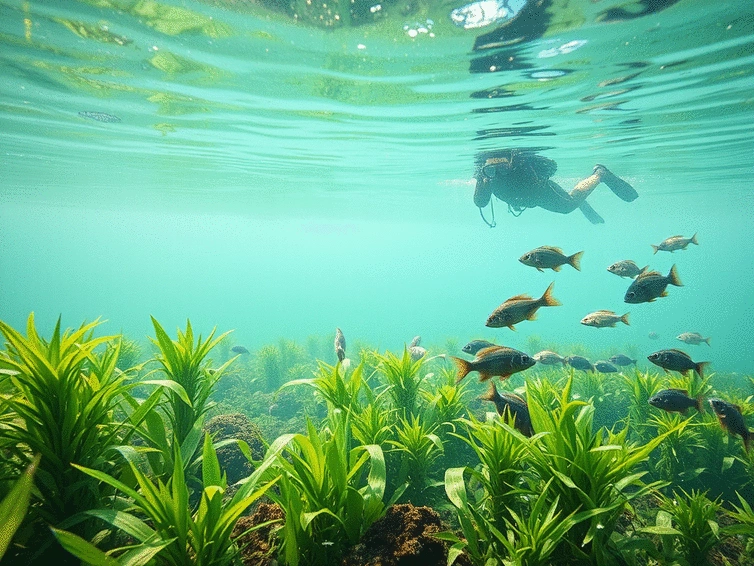
Have you ever taken a moment to consider the hidden battles waged beneath the surface of our lakes and rivers? Aquatic weeds, though often beautiful, can wreak havoc on fragile ecosystems. Understanding their impact is not just for ecologists; it's crucial for anyone who loves and relies on healthy waterways.
This visual highlights the critical factors involved in identifying common invasive aquatic plants, understanding why restoration is crucial, and summarizing best practices for successful aquatic habitat restoration.
As a passionate ecologist, I often find myself reflecting on the intricate balance of our aquatic ecosystems. Have you ever considered how aquatic weed infestations can disrupt this balance? These invasive plants not not only alter the physical landscape of water bodies but also threaten the health and biodiversity of the ecosystems they invade.
Invasive aquatic plants, such as hydrilla and water hyacinth, can quickly choke waterways, leading to reduced oxygen levels and habitat loss for native species. Understanding the impact of these infestations is crucial for anyone involved in waterway management, as highlighted in reports like the Aquatic Ecosystem Restoration Program Framework.
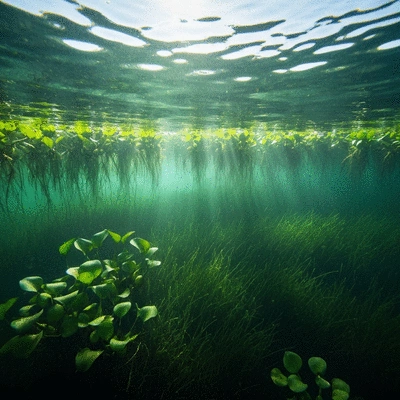
Recognizing the most common invasive aquatic plants is the first step in effective management. Here are several key species to be aware of:
Each of these species exhibits unique characteristics that can severely impact water quality and aquatic life. For instance, when water hyacinth proliferates, it creates shade that limits sunlight penetration, harming submerged plants and the animals that depend on them.
The disruption caused by invasive species highlights the importance of restoration efforts. Without intervention, these plants can dominate and lead to a decline in biodiversity. Restoration is crucial for several reasons:
In my experience, taking action to restore aquatic habitats not only benefits the environment but also enriches our communities. As we witness the recovery of these ecosystems, it serves as a reminder of our collective responsibility to maintain the health of our waterways.
A diverse aquatic ecosystem is essential for overall environmental health. Biodiversity contributes to ecosystem stability, resilience, and productivity. Here are some key points to consider:
By promoting biodiversity, we not only protect our waterways but also ensure that future generations enjoy healthy aquatic environments. As I continue my work with Aquatic Weed Solutions, I remain committed to empowering individuals and communities with the knowledge needed to maintain these vital ecosystems.
Did you know? Regular monitoring of your local waterways can significantly enhance your ability to manage invasive aquatic weeds. By conducting periodic assessments, you can catch infestations early, allowing for more effective intervention strategies before they escalate into larger issues.
At Aquatic Weed Solutions, I often guide landowners and managers toward effective practices that ensure the revival of healthy aquatic ecosystems. Successful restoration requires a strategic approach that incorporates various elements tailored to each individual habitat. Here are some essential takeaways for anyone looking to improve their ponds or lakes:
By following these practices, we can work together to enhance the ecological balance of our waterways! Remember, each step forward contributes to a healthier environment.

As we navigate the challenges presented by climate change, it’s crucial to consider how it affects aquatic habitats. Increasing temperatures and altered weather patterns can intensify weed infestations and disrupt local ecosystems. Therefore, proactive strategies are essential:
By adapting our approaches in the face of change, we can safeguard our water bodies and ensure they continue to thrive for future generations.
An integral part of aquatic habitat restoration is the development of fisheries management plans. These plans should be tailored to the specific needs of the ecosystem and the species it supports. Resources like the 2023 Fish and Aquatic Conservation Annual Report provide insights into successful strategies. Here are key components to consider when crafting a successful plan:
By prioritizing these elements, we can create a sustainable future for our aquatic environments, ensuring that they remain vibrant ecosystems that support both wildlife and human activities. For instance, the BIA's 2023 Highlight Report details various efforts towards sustainable resource management.
Here is a quick recap of the important points discussed in the article:
Aquatic Weed Control Methods Explained
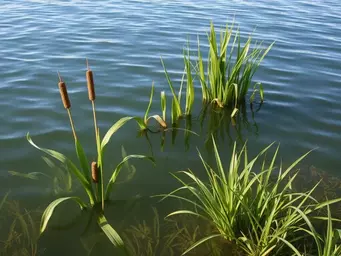
As we dive into the world of aquatic weeds, have you ever wondered what lurks beneath the surface of
Identify Aquatic Weeds Effectively
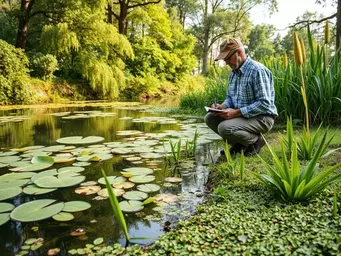
Have you ever glanced at your pond and wondered what unseen challenges it faces? Understanding aquat
Evaluating Your Aquatic Weed Strategy
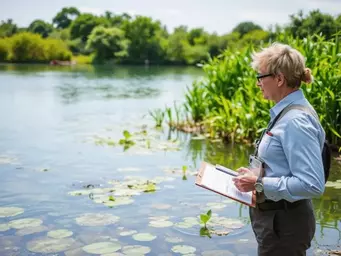
As we delve into the complexities of aquatic weed management, consider this: effective strategies hi
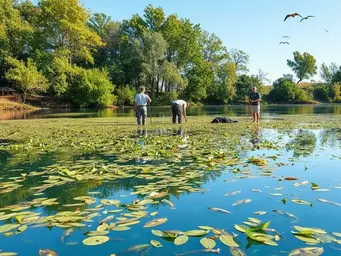
Aquatic Weed Control Methods Explained
Identify Aquatic Weeds Effectively
Evaluating Your Aquatic Weed Strategy
Restoring Ecosystems After Aquatic Weeds
Choosing Aquatic Weed Control Services