
Tailored Approach: Key Considerations
- ✓ Species Present: Identify prevalent invasive weeds.
- ✓ Water Conditions: Assess temperature, nutrients.
- ✓ Local Ecosystem: Understand existing flora/fauna.
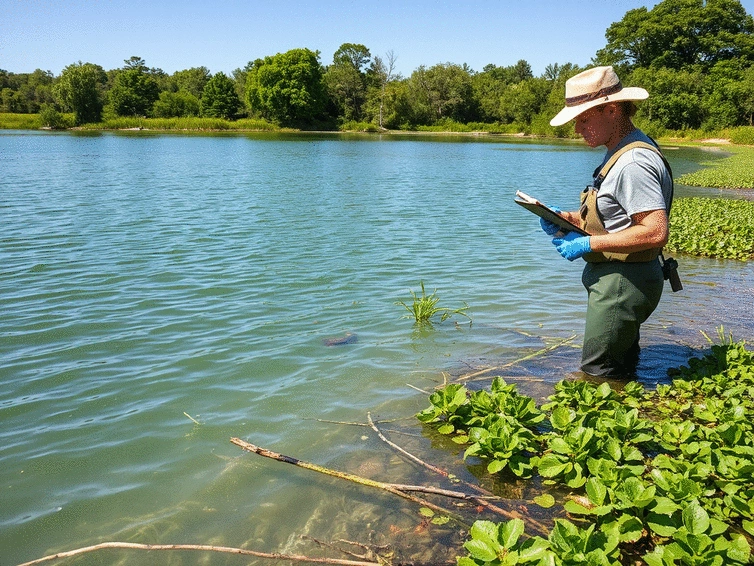
As you explore the intricate world of aquatic ecosystems, consider the vital role that aquatic weeds play. These organisms can be both beneficial and detrimental to their environments. Understanding their impact is essential for anyone interested in waterway management.
Effective management of aquatic weeds requires a thoughtful and tailored approach. The following diagram illustrates a strategic framework, emphasizing key considerations for developing and adapting a successful management plan.
As we delve into the world of aquatic weeds, it’s vital to recognize their significant role in our ecosystems. Aquatic vegetation supports diverse aquatic life, providing essential habitats for fish, insects, and other wildlife. However, when invasive species emerge, everything changes! Understanding how these weeds interact with their environment is key to effective management.
Aquatic weeds not only disrupt the natural balance but can also hinder recreational activities and impact water quality. Their growth can lead to decreased oxygen levels in water, harming aquatic life. By learning about their roles, we set the stage for better management practices.
Aquatic plants play a crucial role in maintaining healthy water ecosystems. They provide shelter, spawning grounds, and food for many species. Let’s consider some of their vital functions:
However, when invasive species like hydrilla or water hyacinth take over, they can smother native plants and disrupt these essential functions. Recognizing the balance is crucial! For further reading on aquatic plant management, refer to this comprehensive guide from NMSU.
As an experienced ecologist, I've observed various invasive aquatic weeds that you should keep an eye out for. Effective identification is the first step toward managing these invaders. Here are some key species:
Understanding these species is vital for developing management strategies. If you suspect an infestation, don’t hesitate to get involved! You can find more detailed information and identification guides in this detailed PDF on aquatic weed control.
When it comes to assessing the environmental impact of aquatic weeds, we need to consider several factors. A comprehensive impact assessment helps us understand the extent of the problem and the necessary steps for management. Here are some critical areas to evaluate:
By conducting thorough assessments, we can create effective management plans that prioritize ecological balance. Remember, every step taken contributes to healthier waterways for future generations! For insights into real-world applications of these assessments, review the California Aquatic Invasive Plant Control Program's annual report.
What strategies have you found most effective in managing aquatic weeds? Share your experiences and thoughts below:
As we wrap up our discussion on developing your aquatic weed management plan, it's essential to remember that a tailored approach is crucial. Each water body presents its own unique challenges and opportunities. By understanding the specific conditions of your area, you can create a management strategy that effectively addresses local aquatic weed issues.
Here are a few key insights to keep in mind as you move forward:
Remember, my experience at Aquatic Weed Solutions has shown me that taking these steps can lead to healthier, more sustainable waterways!
Every waterway is distinct, making it vital to customize your aquatic weed management plan. By considering factors such as water temperature, nutrient levels, and existing plant communities, you can select the most appropriate management techniques. In my practice, I've seen firsthand the benefits of tailored strategies, allowing for more effective control of invasive species and restoration of native ecosystems.
To ensure your plan remains relevant and effective, regularly revisit it and adjust as necessary. Here are some elements to consider when tailoring your approach:
Keep in mind that a commitment to ongoing refinement can significantly impact the health of your aquatic ecosystem!
As you embark on your journey in aquatic weed management, it's essential to embrace a culture of ongoing learning and adaptation. The field of ecology is continuously evolving, with new research and practices emerging all the time. By staying informed about the latest developments, you can enhance your strategies and achieve even better results.
Here are some ways you can foster continuous improvement:
By committing to lifelong learning, you'll not only become a more effective steward of your water body but also contribute to the larger effort of preserving aquatic environments for future generations.
To help you get started on your own aquatic weed management plan, we're excited to offer a fillable template tailored to your specific water body! This resource includes sections to outline your management goals, strategies, and timelines, making it easier to stay organized and focused on your objectives.
Here's what to expect in the template:
Having a structured plan can significantly streamline your efforts and foster more successful outcomes!
In addition to the fillable template, our resource includes visual decision trees and identification tools designed to assist you in making informed decisions about your management strategies. By utilizing these tools, you can quickly determine the best course of action based on the specific circumstances of your waterway.
Consider incorporating the following tools into your planning:
With these resources, you'll be better equipped to tackle the challenges posed by aquatic weeds while fostering a balanced and healthy ecosystem. Download your Aquatic Weed Management Plan Template today and take the first step towards successful waterway management!
Here is a quick recap of the important points discussed in the article:
Aquatic Weed Control Methods Explained
As we dive into the world of aquatic weeds, have you ever wondered what lurks beneath the surface of
Identify Aquatic Weeds Effectively
Have you ever glanced at your pond and wondered what unseen challenges it faces? Understanding aquat
Evaluating Your Aquatic Weed Strategy
As we delve into the complexities of aquatic weed management, consider this: effective strategies hi
Aquatic Weed Control Methods Explained
Identify Aquatic Weeds Effectively
Evaluating Your Aquatic Weed Strategy
Restoring Ecosystems After Aquatic Weeds
Choosing Aquatic Weed Control Services