
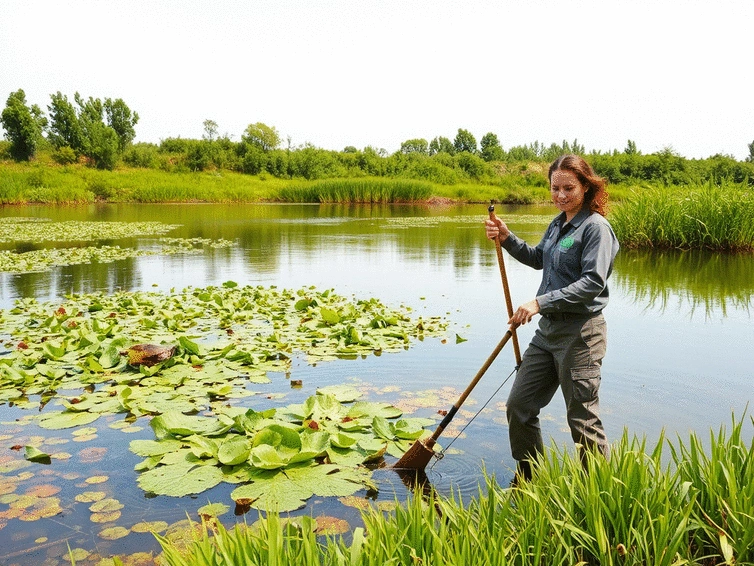
Effective Aquatic Weed Control Insights
Consider the impact of a single invasive species. What if the delicate balance of an entire ecosystem hinged on controlling its growth? Understanding aquatic weed control is not just about aesthetics but vital for ecological health and community well-being.
What You Will Learn
- Nuisance aquatic weeds disrupt ecosystems by smothering native plants and leading to reduced biodiversity.
- Effective weed control enhances water clarity, which supports the growth of beneficial aquatic plants.
- Engaging local stakeholders is key to sustaining aquatic weed management efforts and fostering community support.
- A cost-benefit analysis helps in weighing the financial investment against the ecological benefits of weed control strategies.
Key Strategies for Aquatic Ecosystem Restoration
Successful aquatic weed management hinges on a multi-faceted approach. Below are the critical strategies derived from case studies and best practices, aiming to restore and maintain healthy aquatic ecosystems.
Engagement & Collaboration
- Workshops: Educate public on issues & strategies.
- Partnerships: Pool resources & expertise.
- Volunteers: Foster ownership & responsibility.
Control & Monitoring
- Varied Methods: Multiple techniques for better results.
- Regular Monitoring: Timely adjustments to strategies.
- Education: Inform community for support.
Cost-Benefit Analysis
- Initial Investment: Assessment, treatment, follow-up.
- Long-term Savings: Reduced future control costs.
- Environmental Gains: Improved biodiversity, water quality.
Impacts of Invasive Weeds
- Reduced Biodiversity: Smother native plants.
- Altered Water Quality: Nutrient increase, oxygen depletion.
- Disrupted Recreation: Hinder boating, fishing, swimming.
Understanding the Importance of Aquatic Weed Control for Ecosystem Restoration
At Aquatic Weed Solutions, we recognize that effective aquatic weed control is crucial for maintaining healthy ecosystems. Nuisance aquatic weeds not only disrupt the natural beauty of our waterways but also pose significant threats to aquatic life. Understanding these impacts is the first step towards restoration and management.
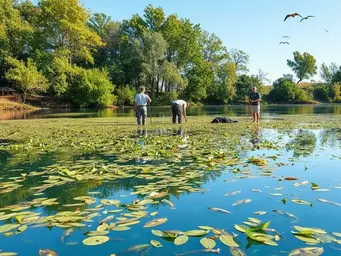
These invasive plants can rapidly dominate water surfaces, leading to reduced light penetration and oxygen depletion. This drastically affects the overall health of aquatic ecosystems and can lead to a decline in native species. With this knowledge, we can empower ourselves to take action and restore balance.
What Are Nuisance Aquatic Weeds and Their Impact?
Nuisance aquatic weeds are non-native plants that proliferate in water bodies, often outcompeting native flora. Some of the most common examples include hydrilla, water hyacinth, and milfoil. These species can significantly affect water quality and overall ecosystem health.
- Reduced Biodiversity: Invasive weeds can smother native plants, leading to a decline in biodiversity.
- Altered Water Quality: These weeds can lead to increased nutrient levels, promoting algal blooms that deplete oxygen.
- Disrupted Recreational Activities: High weed growth can hinder boating, fishing, and swimming, impacting local economies.
When we understand the implications of these invasive species, it becomes clear why management is essential for maintaining the integrity of our water systems.
How Aquatic Weed Control Contributes to Ecosystem Health
Controlling aquatic weeds is not just about beautification; it's about restoring and maintaining balance in our ecosystems. By implementing effective control measures, we can enhance water quality and support the resurgence of native species.
- Improving Water Clarity: Reducing weed growth allows more sunlight to penetrate, supporting photosynthesis in beneficial aquatic plants.
- Enhancing Biodiversity: Healthy ecosystems are characterized by a rich diversity of plants and animals, which can flourish once invasive species are managed.
- Boosting Recreational Opportunities: Cleaner, healthier waterways lead to increased recreational use, benefiting local communities economically.
At Aquatic Weed Solutions, we strive to provide practical insights and strategies that support these benefits, ensuring our waterways can thrive now and in the future.
The Role of Invasive Species in Aquatic Ecosystems
Invasive species, such as Hydrilla verticillata and Eichhornia crassipes, significantly disrupt the natural balance of aquatic ecosystems. While they may initially provide some benefits, their rapid growth often leads to negative consequences.
- Competition for Resources: Invasive species outcompete native plants for nutrients and space, often leading to their decline.
- Disruption of Food Chains: Changes in plant populations can alter the diets and habits of aquatic animals, affecting the entire food web.
- Increased Maintenance Costs: Managing invasive species can be costly for landowners and waterway managers, highlighting the need for effective control strategies.
Understanding the roles and impacts of these invasive species empowers us to take informed steps toward effective management and restoration of our precious aquatic ecosystems. For example, the Queensland Department of Primary Industries provides valuable insights into integrated weed management strategies.
We Want to Hear From You!
What challenges have you faced in managing aquatic weeds? Share your experiences below:
Summarizing Key Lessons from Successful Case Studies
Reflecting on the successes in aquatic weed management, I've learned that best practices can significantly influence the outcomes of restoration projects. By analyzing various case studies, we can identify essential strategies that enhance the effectiveness of our efforts. These insights not only help in mitigating the impact of nuisance aquatic weeds but also pave the way for healthier ecosystems.
Here are some key takeaways from successful case studies:
- Engagement with local stakeholders: Collaboration with community members is crucial for sustainability.
- Use of a variety of control methods: Employing multiple techniques often yields better results than relying on a single method.
- Regular monitoring: Continual assessment of progress allows for timely adjustments in management strategies.
- Education and outreach: Informing the community fosters support and involvement in restoration efforts.
These best practices not only guide future projects but also highlight the importance of a comprehensive approach to aquatic weed control. The Aquatic Plant Management Society offers further insights into diverse control methods and monitoring techniques.
Understanding Cost-Benefit Analysis in Aquatic Weed Control
When managing aquatic weeds, a cost-benefit analysis is indispensable. It helps in weighing the financial investment against the ecological and community benefits achieved through restoration. By understanding these factors, landowners and managers can make informed decisions that align with their goals.
Some important points to consider in the cost-benefit analysis include:
- Initial investment: This includes costs associated with assessment, treatment, and follow-up monitoring.
- Long-term savings: Effective management can reduce future costs associated with invasive species control.
- Environmental benefits: Improved biodiversity and water quality can enhance property values and recreational opportunities.
- Community health: Cleaner waterways can lead to better health outcomes for local populations.
By taking a comprehensive view of these factors, we can ensure our aquatic weed control efforts are not only effective but also economically viable. The USDA Agricultural Research Service provides research on the economic impacts of invasive aquatic plants.
Engaging Stakeholders for Community-Based Restoration Efforts
One of the most rewarding aspects of my work at Aquatic Weed Solutions is witnessing the power of community involvement in restoration projects. Engaging stakeholders—such as local landowners, recreational users, and environmental groups—can amplify the success of aquatic weed management initiatives.
To effectively engage stakeholders, consider these strategies:
- Organize community workshops: These sessions can educate the public on aquatic weed issues and management strategies.
- Create partnerships: Collaborate with local organizations to pool resources and expertise.
- Encourage volunteer programs: Involving locals in hands-on restoration work fosters a sense of ownership and responsibility.
- Utilize social media: Share progress updates and stories to maintain interest and involvement.
Engagement not only strengthens community ties but also promotes a shared vision for healthy aquatic ecosystems, ultimately benefiting everyone involved.
Frequently Asked Questions About Aquatic Weed Control
Q: What are nuisance aquatic weeds and why are they a problem?
A: Nuisance aquatic weeds are non-native plants like hydrilla or water hyacinth that rapidly spread in water bodies. They are problematic because they outcompete native plants, reduce biodiversity, alter water quality by depleting oxygen, and disrupt recreational activities such as boating and fishing.
Q: How does aquatic weed control benefit the ecosystem?
A: Effective aquatic weed control enhances ecosystem health by improving water clarity, allowing more sunlight to reach native plants. This promotes biodiversity and supports the resurgence of native species. Cleaner waterways also boost recreational opportunities and overall community well-being.
Q: What strategies are key for successful aquatic ecosystem restoration?
A: Key strategies include active engagement and collaboration with local stakeholders, using a variety of control and monitoring methods, conducting a thorough cost-benefit analysis, and educating the community. These multi-faceted approaches ensure sustainable and effective management.
Q: Why is stakeholder engagement important in aquatic weed management?
A: Engaging stakeholders, including landowners, recreational users, and environmental groups, is crucial for the long-term success and sustainability of restoration projects. It fosters a sense of ownership, pools resources and expertise, and strengthens community ties, leading to a shared vision for healthy aquatic ecosystems.
Q: What should be considered in a cost-benefit analysis for aquatic weed control?
A: A cost-benefit analysis should consider the initial investment (assessment, treatment, monitoring), potential long-term savings from reduced future control costs, environmental benefits (improved biodiversity, water quality), and community health benefits. This comprehensive view ensures economically viable and effective management decisions.
Recap of Key Points
Here is a quick recap of the important points discussed in the article:
- Understanding Nuisance Aquatic Weeds: These invasive plants, such as hydrilla and water hyacinth, threaten biodiversity and water quality.
- Importance of Aquatic Weed Control: Effective management enhances water clarity, supports native species, and boosts recreational opportunities.
- Stakeholder Engagement: Collaborating with local communities fosters sustainable aquatic ecosystem management.
- Cost-Benefit Analysis: Evaluating the financial and ecological impacts of weed control helps in making informed management decisions.
- Best Practices from Case Studies: Utilizing diverse control methods and continuous monitoring are essential for successful restoration efforts.
Aquatic Weed Control Methods Explained
Identify Aquatic Weeds Effectively
Evaluating Your Aquatic Weed Strategy
Restoring Ecosystems After Aquatic Weeds
Choosing Aquatic Weed Control Services