
Aquatic Weeds and Ecosystem Balance
Have you considered how seemingly detrimental plants like aquatic weeds can actually shape their ecosystems? Their role as ecosystem engineers is both complex and crucial, revealing opportunities for management that can benefit our water bodies.
What You Will Learn
- Invasive aquatic weeds significantly alter their habitats, impacting nutrient dynamics and biodiversity.
- Understanding oxygen stratification is essential for addressing hypoxic conditions in water bodies affected by invasive species.
- Seasonal patterns of oxygen dynamics affect the health of aquatic ecosystems and guide intervention strategies.
- Various management techniques, including mechanical removal and biological control, are effective for combating invasive aquatic plants.
- Invasive weeds can provide ecological benefits, such as carbon sequestration, but their negative impacts often outweigh these advantages.
- Economic models can help illustrate the value of managing aquatic weeds, emphasizing ecosystem services like water filtration and recreational opportunities.
- Restoring wetlands plays a pivotal role in managing aquatic weeds and enhancing overall water quality.
Understanding Aquatic Weeds as Ecosystem Engineers
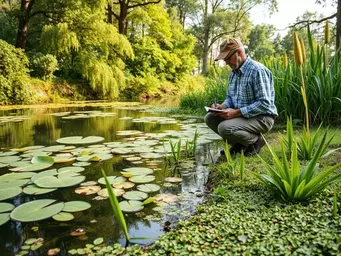
As we explore the fascinating world of aquatic ecosystems, it’s essential to recognize the significant role that invasive aquatic weeds play as ecosystem engineers. These plants can dramatically reshape their environments, influencing not only the physical landscape but also the biological community within these water bodies. Understanding their impact is crucial for anyone involved in managing our precious waterways.
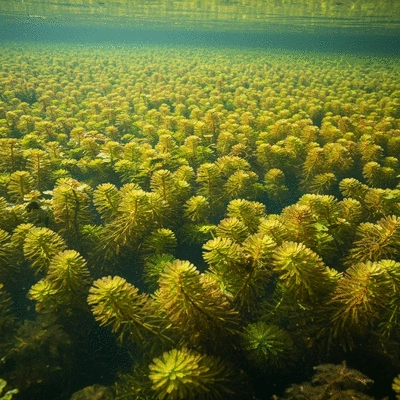
Invasive species like hydrilla and water hyacinth can create both challenges and opportunities. By recognizing their dual nature, we can develop strategies to mitigate their negative effects while leveraging their ecological roles. After all, every organism has a part to play, even those we often view as detrimental!
The Role of Invasive Aquatic Plants in Ecosystem Engineering
Defining Ecosystem Engineers and Their Importance
Ecosystem engineers are organisms that significantly modify their environment, thus influencing the availability of resources for other species. Invasive aquatic plants serve as ecosystem engineers by altering habitat structures, nutrient dynamics, and biological interactions in aquatic ecosystems. This can lead to significant changes in species composition and abundance, affecting both flora and fauna.
By understanding these dynamics, individuals like myself at Aquatic Weed Solutions can better guide landowners and managers in making informed decisions about ecosystem management. We must appreciate the delicate balance that exists within these habitats!
How Invasive Weeds Alter Aquatic Habitats
- Physical Alterations: Invasive species can change water flow and sediment dynamics.
- Competition for Resources: They often outcompete native plants for sunlight and nutrients.
- Altered Food Webs: This can lead to shifts in predator-prey relationships.
These changes not only disrupt the existing ecological balance but can also lead to the decline of native species. Understanding the exact impact of these weeds is vital for implementing effective control strategies.
Mechanisms of Oxygen Depletion in Aquatic Environments
Oxygen Stratification and Its Consequences
Oxygen depletion is a significant concern in water bodies affected by invasive aquatic weeds. As these plants proliferate, they can create layers of stratification that prevent oxygen from mixing throughout the water column. This stratification can lead to hypoxic conditions, where oxygen levels drop to the point that aquatic life struggles to survive.
When we manage our waterways, being aware of these stratification patterns is crucial for maintaining a healthy ecosystem. Regular monitoring and intervention can help restore balance to these environments.
Seasonal Patterns of Oxygen Dynamics
- Spring: Increased photosynthesis can initially boost oxygen levels.
- Summer: Rapid weed growth may lead to oxygen depletion.
- Fall: Decaying plant matter further reduces oxygen availability.
- Winter: Cold temperatures can exacerbate hypoxic conditions.
Understanding these seasonal dynamics allows for better planning and management efforts. We can anticipate when intervention may be necessary to protect our aquatic ecosystems effectively!
The Role of Biochemical Oxygen Demand (BOD) in Water Quality
Biochemical Oxygen Demand (BOD) is a critical factor in assessing water quality, as it measures the amount of oxygen required by microorganisms to decompose organic material. High levels of BOD, often driven by decaying invasive weeds, can lead to reduced oxygen levels and negatively impact aquatic life. For a deeper understanding of water quality, you can refer to resources such as this comprehensive guide on freshwater monitoring from the Washington State Department of Ecology.
By focusing on managing BOD and understanding its sources, we can improve the health of our waterways. I encourage landowners and managers to become familiar with BOD measurements and what they signify for their ecosystems!
Interactive Poll: Your Thoughts Matter!
As we delve deeper into the complexities of aquatic weed management, we want to hear from you! What challenges have you faced in managing invasive aquatic plants?
Addressing the Challenges of Aquatic Weed Management
Managing aquatic weeds is a multifaceted challenge that requires a comprehensive understanding of both the ecological dynamics at play and the available management techniques. As we work to preserve our waterways, it’s essential to implement effective strategies for controlling invasive species while promoting ecosystem health. Let's dive into some quantitative management solutions that specifically address oxygen depletion caused by these pesky plants.
Quantitative Management Solutions for Oxygen Depletion
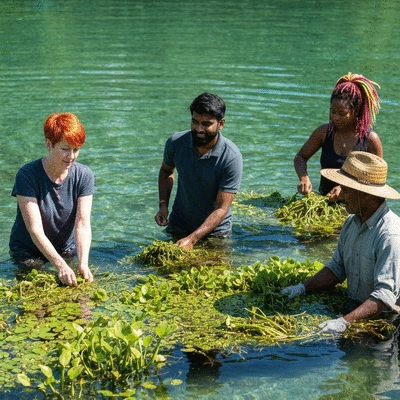
Oxygen depletion, or hypoxia, can have devastating effects on aquatic life. To combat this issue, we can utilize various control methods tailored for invasive aquatic plants. Here are some effective strategies:
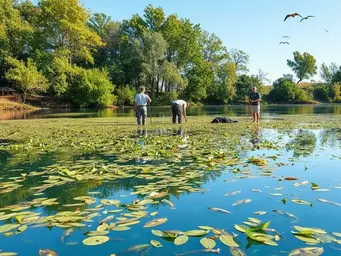
- Mechanical Removal: Physically removing invasive plants can help restore oxygen levels and improve water quality.
- Chemical Treatments: Selective herbicides can target invasive species while minimizing harm to native plants.
- Biological Control: Introducing natural predators can sustainably reduce invasive populations over time.
- Water Circulation Techniques: Improving water movement can enhance oxygen distribution and deter weed growth.
Each of these methods has its own benefits and must be carefully considered based on local conditions and the specific invasive species present. Additionally, utilizing tools and resources for assessing hypoxia risks is crucial for informed decision-making.
Tools and Resources for Assessing Hypoxia Risks
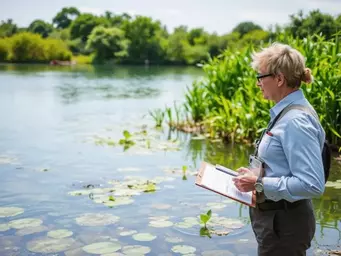
Understanding the extent of hypoxia in our waterways is vital for effective management. Tools like dissolved oxygen meters and water quality testing kits can provide valuable data on oxygen levels and nutrient concentrations. Community-led initiatives and workshops can also help landowners and managers stay informed about local conditions. By engaging with these resources, we can develop a clearer picture of our waterways and respond appropriately.
Balancing Ecological Benefits and Negative Impacts
While invasive weeds pose significant challenges, it’s important to recognize that they can also provide some ecological benefits. For example, certain species may aid in carbon sequestration, which is crucial for combating climate change. However, the overall impact of these plants often skews negative when we consider the broader implications for biodiversity and ecosystem health.
Potential Benefits of Invasive Weeds in Carbon Sequestration
Surprisingly, some invasive species can contribute to carbon sequestration efforts. These plants absorb carbon dioxide during their growth, which can help mitigate climate change. However, we must balance this benefit against their potential to outcompete native species and disrupt local ecosystems. Evaluating the trade-offs is essential for a holistic view of waterway management.
Economic Models for Nutrient Cycling and Ecosystem Services
Understanding the economic implications of nutrient cycling is crucial for effective aquatic weed management. By recognizing the value of ecosystem services provided by healthy waterways, stakeholders can justify investments in management strategies. Here are key areas where economic models can illuminate the relationship between aquatic weeds and ecosystem health:
- Water Filtration: Healthy ecosystems filter pollutants, providing clean water for communities.
- Recreational Opportunities: Well-managed waterways enhance recreational activities that can boost local economies.
- Habitat Provision: Biodiverse ecosystems support wildlife, which can have economic benefits through tourism and conservation efforts.
By leveraging economic models, we can advocate for sustainable practices that protect our waterways while also benefiting local communities.
Exploring the Role of Wetlands in Aquatic Habitat Restoration
Wetlands play an essential role in aquatic habitat restoration, acting as natural filters and buffers against invasive species. They can help maintain nutrient cycling and provide critical habitats for diverse wildlife. Supporting wetland restoration initiatives can significantly enhance our efforts in managing aquatic weeds and improving overall water quality. As I’ve witnessed through my work with landowners and waterway managers, restoring wetlands can lead to remarkable ecological balance! For more insights into managing invasive aquatic plants and their broader ecological implications, you can consult resources such as this note on managing invasive aquatic plants from UNEP-DHI.
Recap of Key Points
Here is a quick recap of the important points discussed in the article:
- Invasive Aquatic Weeds as Ecosystem Engineers: They significantly alter their environments, impacting both physical landscapes and biological communities.
- Oxygen Depletion Mechanisms: Invasive species can lead to hypoxic conditions by disrupting oxygen mixing in water bodies.
- Management Strategies: Effective control can include mechanical removal, chemical treatments, biological control, and improving water circulation.
- Understanding BOD: Monitoring Biochemical Oxygen Demand is crucial to assess water quality and its impact on aquatic life.
- Economic and Ecological Balance: Recognizing both the challenges and benefits of invasive weeds can inform better management practices and community engagement.
Frequently Asked Questions
Q: What are ecosystem engineers, and how do aquatic weeds fit this definition?
A: Ecosystem engineers are organisms that significantly modify their environment, influencing the availability of resources for other species. Invasive aquatic plants fit this definition by altering habitat structures, nutrient dynamics, and biological interactions in aquatic ecosystems, leading to changes in species composition and abundance.
Q: How do invasive aquatic weeds contribute to oxygen depletion in water bodies?
A: As invasive aquatic plants proliferate, they can create layers of stratification that prevent oxygen from mixing throughout the water column. This leads to hypoxic conditions where oxygen levels drop, impacting aquatic life. The decay of these plants also increases Biochemical Oxygen Demand (BOD), further reducing oxygen levels.
Q: What are the main strategies for managing invasive aquatic weeds and addressing oxygen depletion?
A: Effective management strategies include mechanical removal, chemical treatments, biological control, and water circulation techniques. These methods aim to restore oxygen levels, improve water quality, and reduce invasive populations.
Q: Can invasive aquatic weeds have any ecological benefits?
A: While often detrimental, some invasive species can contribute to carbon sequestration by absorbing carbon dioxide during their growth. However, this benefit must be balanced against their potential to outcompete native species and disrupt local ecosystems.
Q: How do economic models help in managing aquatic weeds?
A: Economic models help illustrate the value of ecosystem services provided by healthy waterways, such as water filtration, recreational opportunities, and habitat provision. By quantifying these benefits, stakeholders can justify investments in sustainable management strategies that protect both the environment and local economies.
Aquatic Weed Control Methods Explained
Identify Aquatic Weeds Effectively
Evaluating Your Aquatic Weed Strategy
Restoring Ecosystems After Aquatic Weeds
Choosing Aquatic Weed Control Services