
Ecological Threats of Invasive Aquatic Weeds
- ‣Disruption of native species & habitat loss
- ‣Altered water quality (clarity, oxygen depletion)
- ‣Reduced recreational opportunities & economic impact
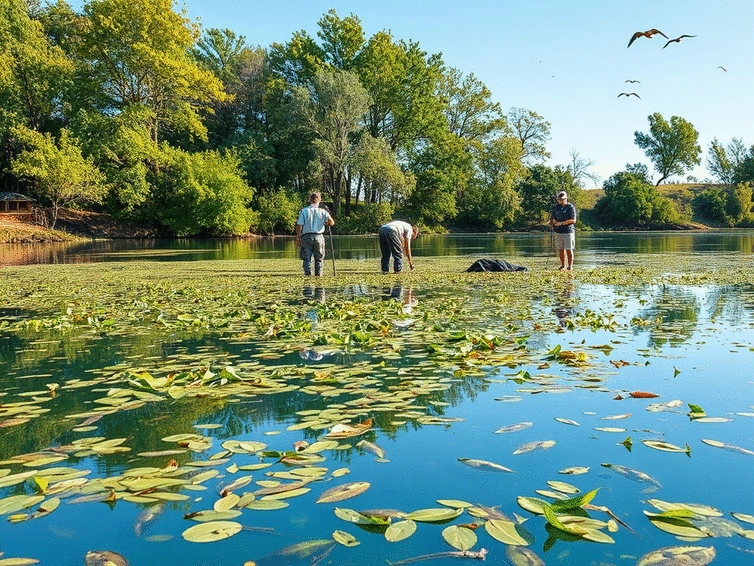
As we delve into the challenges facing our freshwater ecosystems, it's crucial to understand the role invasive aquatic weeds play in disrupting this delicate balance. What can we do to combat their spread and restore our waterways? Here are the key insights to guide your approach.
Invasive aquatic weeds pose significant threats to freshwater ecosystems. The visual below outlines their ecological impacts and the multi-method approach required for successful restoration, emphasizing community engagement and expert collaboration.
As we explore the intricate world of our waterways, it's crucial to understand the significant threat posed by invasive aquatic weeds. These species can swiftly disrupt the natural balance of freshwater ecosystems, leading to a cascade of negative impacts on water quality, biodiversity, and overall ecosystem health. In this section, I’ll dive into what invasive aquatic weeds are and how they affect our precious ecosystems.
Invasive aquatic weeds are non-native plants that spread aggressively, outcompeting local flora and altering habitats. They often thrive in nutrient-rich waters, which can result from runoff and pollution. The presence of these invasive species can lead to several threats, including:
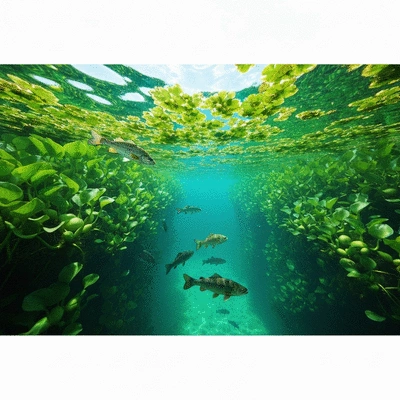
By recognizing these threats, we can better understand the need for effective aquatic weed management strategies. As an ecologist, I’ve witnessed firsthand how the growth of invasive species dramatically alters ecosystems, making it essential for us to take action. For further insight into managing these challenges, the Aquatic Ecosystem Restoration Program (AERP) framework provides valuable guidance.
Ecosystem restoration plays a critical role in combating the spread of invasive aquatic weeds. By revitalizing damaged habitats, we can create conditions that support native species and discourage invasives. Key strategies for successful restoration include:
These strategies not only improve ecosystem health but also empower communities to actively participate in safeguarding their waterways. Through my work with Aquatic Weed Solutions, I’ve seen how targeted restoration techniques can lead to thriving ecosystems. For more information on such initiatives, resources like the U.S. Fish and Wildlife Service's Ecosystem Restoration program offer comprehensive details.
The ecological impacts of invasive aquatic weeds can be profound and far-reaching. They can lead to habitat loss, reduced biodiversity, and altered food webs. Here are some specific effects to consider:
Understanding these ecological impacts is essential as we work towards restoring our freshwater ecosystems. With the right knowledge and tools, such as those provided by Aquatic Weed Solutions, we can effectively manage these invasive threats and promote healthier waterways for future generations. The U.S. Army Corps of Engineers also provides significant resources on Aquatic Ecosystem Restoration, which can further guide comprehensive restoration efforts.
Have you ever considered how your actions impact local waterways? Understanding the role of invasive aquatic weeds is just the beginning. Here are some ways you can get involved:
Every small action contributes to the health of our ecosystems. What steps will you take to make a difference?
As we reflect on the various case studies discussed, there are several key takeaways that can guide our future efforts in ecosystem restoration. Each example illustrates the importance of understanding the unique challenges posed by invasive species while also highlighting the successes that can be achieved through thoughtful management. By studying these cases, we gain valuable insights into effective strategies that can be applied in our own waterway projects.
It's evident that a thorough understanding of both the challenges and the solutions is essential. For instance, at Aquatic Weed Solutions, we’ve seen firsthand how community involvement amplifies the impact of restoration efforts. Each participant brings unique insights and local knowledge that enhance the overall success of projects.
In reviewing our case studies, I discovered that certain strategies consistently emerge as effective. Understanding these strategies can help you make informed decisions when considering restoration efforts. Here are a few highlights:
These lessons remind us that successful ecosystem restoration is a multifaceted endeavor. Each case not only sheds light on specific techniques but also emphasizes the importance of adapting strategies based on ongoing observations and community feedback.
One of the standout findings from our research is the effectiveness of a multi-method approach when tackling invasive species. Relying on a single method can limit the potential for success, as different species may respond differently to various control techniques. By diversifying our strategies, we maximize our chances for a healthier ecosystem.
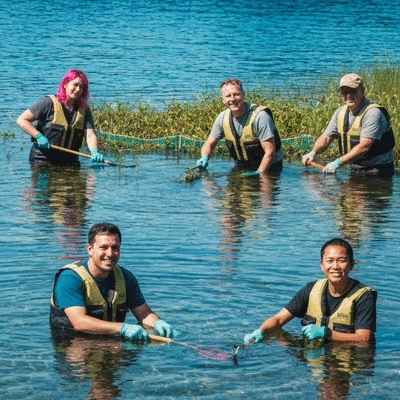
This approach aligns with our mission at Aquatic Weed Solutions: to empower communities with knowledge and tools for effective restoration. By using a combination of methods tailored to specific situations, you can achieve more sustainable outcomes in your ecosystem management efforts.
Restoration ecology plays a pivotal role in enhancing ecosystem services, which are the benefits that humans derive from healthy ecosystems. By focusing on restoration, we not only combat invasive species but also promote biodiversity, improve water quality, and enhance recreational opportunities.
As an ecologist, I’ve witnessed the transformative effects of restoration ecology in action. Working alongside landowners and managers, I’ve seen how restoring ecosystems can revitalize communities and create vibrant, sustainable environments. When we invest in restoration, we’re not just fixing problems; we’re also creating opportunities for future generations!
With the knowledge gained from our case studies, it’s time to take action! Here are some important steps you can follow to initiate your own restoration initiatives.
Reaching out to professionals in the field can provide you with the insights necessary to develop effective restoration strategies. Whether it’s consulting ecologists or environmental agencies, expert guidance is invaluable for creating a tailored approach.
At Aquatic Weed Solutions, we encourage landowners and managers to utilize our resources and connect with experts to create comprehensive plans. Knowledge is power, and leveraging expert insights can lead to more successful outcomes!
Community involvement is key to successful restoration initiatives. By raising awareness and promoting active participation, we can foster a culture of stewardship around our precious aquatic ecosystems.
When communities come together, they can achieve remarkable things! Engaging your neighbors and fostering a collective effort can lead to more sustainable and resilient aquatic environments. As I’ve learned throughout my journey, together, we can make a significant impact in restoring and preserving our waterways for generations to come.
Here is a quick recap of the important points discussed in the article:
Aquatic Weed Control Methods Explained
As we dive into the world of aquatic weeds, have you ever wondered what lurks beneath the surface of
Identify Aquatic Weeds Effectively
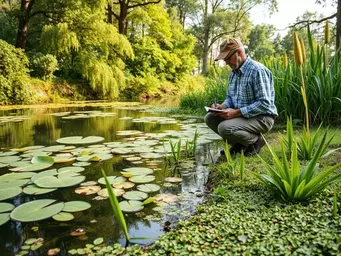
Have you ever glanced at your pond and wondered what unseen challenges it faces? Understanding aquat
Evaluating Your Aquatic Weed Strategy
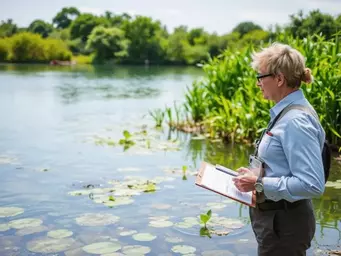
As we delve into the complexities of aquatic weed management, consider this: effective strategies hi
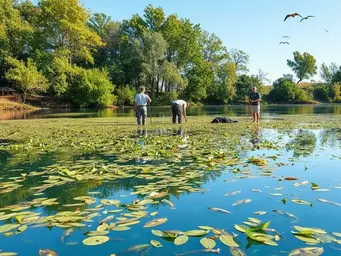
Aquatic Weed Control Methods Explained
Identify Aquatic Weeds Effectively
Evaluating Your Aquatic Weed Strategy
Restoring Ecosystems After Aquatic Weeds
Choosing Aquatic Weed Control Services