2026-02-12
Evaluating Your Aquatic Weed Strategy
As we delve into the complexities of aquatic weed management, consider this: effective strategies hinge not just on action but on informed choices made through continual assessment. The path to healthier waterways lies in understanding what truly works.
What You Will Learn
- The necessity of monitoring aquatic weed management programs to identify effective control methods and emerging species.
- Key performance metrics such as % reduction in weed coverage and biodiversity indices are crucial for measuring success.
- The five-stage program framework, including delimitation, containment, control, monitoring, and evaluation, aids systematic management of aquatic weeds.
- Integrated Pest Management (IPM) combines various techniques for a balanced approach to controlling aquatic weeds while preserving ecosystems.
- Community involvement significantly enhances the effectiveness of management initiatives through education and participation.
- Learning from both successful and failed case studies can inform future strategies and prevent common pitfalls in aquatic weed management.
Effectiveness of Aquatic Weed Management Strategies
Monitoring and evaluating aquatic weed management programs are essential for ecological balance. The visual below highlights key success metrics and provides insights into real-world applications.
Key Success Metrics for Aquatic Weed Control
60%
Reduction in invasive species (Lake A)
50%
Decrease in weed coverage (River B)
Biodiversity indices & water quality also improved.
Five-Stage Program for Aquatic Weed Management
- Delimitation: Identify & map infestation.
- Containment: Prevent spread.
- Control: Apply techniques (mech., chem., bio.).
- Monitoring: Assess effectiveness.
- Evaluation: Adjust strategies.
Lessons from Failed Programs
- Lack of clear goals: Struggles to measure success.
- Insufficient community engagement: Initiatives may falter.
- Ignoring environmental impacts: Harm to non-target species.
Understanding Aquatic Weed Management Effectiveness
Managing aquatic weeds is essential for maintaining the balance of our cherished ecosystems. At Aquatic Weed Solutions, we understand the significance of assessing the effectiveness of management strategies to ensure ecological balance. Monitoring these programs allows us to determine what works best in various conditions and to adapt our approaches accordingly. The USDA Agricultural Research Service conducts vital research in this area, providing valuable insights into effective management techniques.
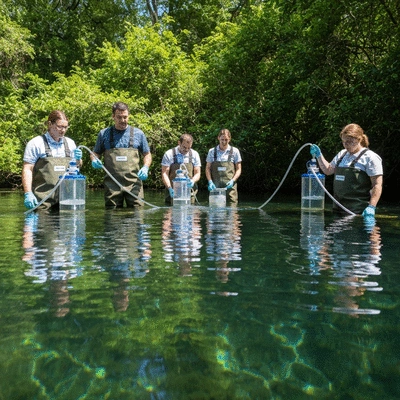
By regularly evaluating our management practices, we can fine-tune our efforts and ensure that our waterways thrive. After all, an informed approach leads to better outcomes for both aquatic life and the communities that depend on these resources.
Importance of Monitoring Aquatic Weed Management Programs
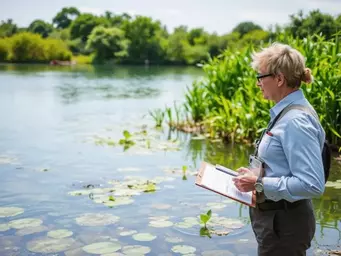
Monitoring aquatic weed management programs is crucial for several reasons:
- It provides insights into the effectiveness of various control methods.
- It helps identify any emerging weed species or shifts in existing populations.
- Continual assessments allow for timely actions to mitigate potential ecological imbalances.
Without proper monitoring, we risk implementing strategies that may not be effective, leading to wasted resources and further ecological disturbance. As someone passionate about preserving aquatic ecosystems, I believe that our efforts should always be informed by real-world data and observations.
Key Success Metrics for Aquatic Weed Control
When evaluating the success of our aquatic weed management strategies, there are several critical performance indicators (KPIs) to consider:
- % reduction in weed coverage: This metric helps us gauge the immediate impact of our control methods.
- Biodiversity indices: A healthy ecosystem should support a diverse range of species, and tracking biodiversity can indicate management success.
- Water quality parameters: Assessing factors like nutrient levels and clarity can provide insights into the overall health of the aquatic habitat.
These metrics not only help us measure success but also guide our future decisions. By staying focused on these indicators, we can ensure that our interventions lead to lasting benefits for the ecosystems we work to protect.
Frameworks for Strategic Analysis and Monitoring
To effectively manage aquatic weeds, we can rely on structured frameworks that guide our actions. One such framework is the five-stage program for aquatic weed management, which I find particularly effective. For instance, the South Carolina Department of Health and Environmental Control regularly publishes draft aquatic plant management plans that utilize similar structured approaches.
Five-Stage Program for Aquatic Weed Management
The five stages of this program include:
- Delimitation: Identifying and mapping the extent of the weed infestation.
- Containment: Implementing measures to prevent the spread of invasive species.
- Control: Applying appropriate management techniques, which may include mechanical, chemical, or biological methods.
- Monitoring: Regularly assessing the effectiveness of the control methods and the health of the ecosystem.
- Evaluation: Analyzing data collected during monitoring to adjust strategies and improve outcomes.
This structured approach allows us to tackle aquatic weed issues systematically, ensuring that every stage builds upon the last. By following these stages, we can remain proactive in our management efforts, leading to healthier waterways.
Integrated Pest Management (IPM) Approaches
Integrated Pest Management (IPM) provides a holistic framework for controlling aquatic weeds. This approach combines various control methods and monitoring techniques, ensuring that we consider all available options.
- Using mechanical control methods alongside biological options, such as introducing natural predators.
- Employing chemical treatments judiciously and only when necessary, minimizing environmental impact.
- Regularly monitoring water quality and biodiversity to gauge the effectiveness of the IPM strategy.
By integrating these various methods, we can achieve a balance between effective weed control and the preservation of our aquatic ecosystems.
Understanding the Role of Biological Control in Aquatic Ecosystems
Biological controls, such as the use of grass carp, play a significant role in managing invasive species. These natural predators can help control weed populations while promoting biodiversity.
- Grass carp consume specific aquatic weeds, reducing their growth without harming native plants.
- Using biological controls aligns with ecological principles by supporting a diverse range of species in the habitat.
- By incorporating these methods, we can maintain a healthier ecosystem while reducing reliance on chemical treatments.
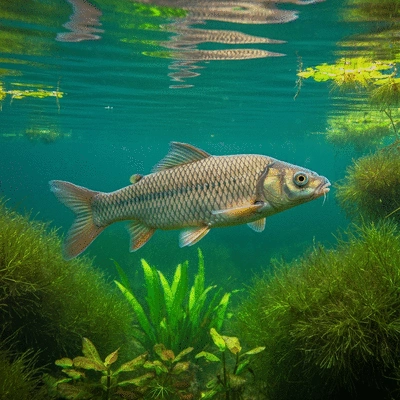
As I’ve seen in my experience, biological control can be a game-changer in aquatic weed management, contributing to a more sustainable approach that benefits both the environment and local communities.
Frequently Asked Questions (FAQs)
- Q1: Why is monitoring essential for aquatic weed management programs?
- Monitoring is crucial to assess the effectiveness of various control methods, identify emerging weed species, and allow for timely adjustments to mitigate ecological imbalances.
- Q2: What are the key metrics for measuring the success of aquatic weed control?
- Key metrics include the percentage reduction in weed coverage, biodiversity indices, and water quality parameters like nutrient levels and clarity.
- Q3: Can you explain the five-stage program for aquatic weed management?
- The five stages are Delimitation (identifying infestation), Containment (preventing spread), Control (applying management techniques), Monitoring (assessing effectiveness), and Evaluation (adjusting strategies).
- Q4: What is Integrated Pest Management (IPM) in the context of aquatic weeds?
- IPM is a holistic approach that combines various control methods (mechanical, chemical, biological) with monitoring techniques to achieve balanced and environmentally sound aquatic weed control.
- Q5: How does community involvement improve aquatic weed management?
- Community involvement, through education, volunteer programs, and feedback, enhances the effectiveness of initiatives by fostering a sense of ownership, increasing support, and providing valuable local insights.
Community Poll
As we explore the various strategies for aquatic weed management, we want to hear from you! Which management approach do you believe is the most effective for maintaining healthy waterways?
Real-World Applications and Case Studies
Understanding the practical implications of aquatic weed management is crucial for landowners, ecologists, and waterway managers alike. By examining real-world applications, we can glean insights into effective strategies and their outcomes. At Aquatic Weed Solutions, we've seen firsthand how targeted management can restore balance in aquatic ecosystems. The UC ANR Delta Region Areawide Aquatic Weed Project offers an excellent example of such targeted management and its impact.
In this section, I'll share some compelling case studies that highlight successful programs, as well as important lessons learned from less successful initiatives. These stories underscore the need for proper planning and community involvement in managing aquatic weeds.
Case Studies on Successful Aquatic Weed Management
Let's look at a few case studies that showcase the effectiveness of various management strategies:
- Lake A Restoration Project: After implementing a combination of mechanical removal and biological control, this lake saw a 60% reduction in invasive species over two years. Biodiversity metrics indicated a healthy resurgence of native plant life!
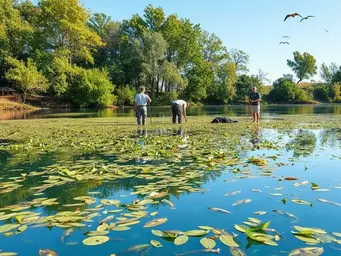
- River B Aquatic Survey: Using community volunteers for regular monitoring, this program achieved a 50% decrease in weed coverage while also promoting ecological awareness among local residents.
- Wetland C Management Initiative: A comprehensive approach that integrated chemical treatments with ongoing monitoring resulted in improved water clarity and increased fish populations, demonstrating positive cost-benefit ratios.
These examples illustrate how thorough planning and execution can lead to successful outcomes in aquatic weed management. Each case provides valuable data that can inform future strategies and highlight the significant impact of effective management.
Lessons Learned from Failed Programs
Not all programs yield positive results, and it's essential to learn from these experiences. Here are some common pitfalls encountered in failed aquatic weed management initiatives:
- Lack of clear goals: Programs without specific objectives often struggle to measure success.
- Insufficient community engagement: Involving local stakeholders is crucial; without their support, initiatives may falter.
- Ignoring environmental impacts: Programs that fail to consider the broader ecosystem may inadvertently harm non-target species.
By recognizing these challenges, we can better prepare for future endeavors in aquatic weed management. Continuous improvement is key, and adapting strategies based on past experiences can make all the difference.
Community Involvement in Aquatic Resource Management
Engaging the community is vital for the success of any aquatic weed management initiative. At Aquatic Weed Solutions, we’ve witnessed the power of stakeholder involvement firsthand. Here are some effective ways to enhance community participation:
- Workshops and Education: Hosting events to educate community members about aquatic ecosystems fosters a sense of ownership.
- Volunteer Programs: Encouraging local participation in monitoring and management helps build a dedicated team of advocates.
- Regular updates and feedback loops: Keeping the community informed about progress and seeking input can lead to stronger partnerships.
When communities come together to manage their aquatic resources, the results can be transformative! By fostering collaboration, we not only enhance the effectiveness of our programs but also cultivate a deeper appreciation for the ecosystems we strive to protect.
Recap of Key Points
Here is a quick recap of the important points discussed in the article:
- Regular monitoring is essential for assessing the effectiveness of aquatic weed management strategies.
- Key performance indicators such as % reduction in weed coverage, biodiversity indices, and water quality parameters are critical for evaluating success.
- Implementing a structured five-stage program (Delimitation, Containment, Control, Monitoring, Evaluation) ensures systematic management of aquatic weeds.
- Integrated Pest Management (IPM) combines multiple control methods for effective weed management while minimizing environmental impacts.
- Engaging the community through education, volunteer programs, and regular feedback enhances the success of aquatic resource management initiatives.


Aquatic Weed Control Methods Explained
Identify Aquatic Weeds Effectively
Evaluating Your Aquatic Weed Strategy
Restoring Ecosystems After Aquatic Weeds
Choosing Aquatic Weed Control Services