
Aquatic Weed Control Methods Explained
As we dive into the world of aquatic weeds, have you ever wondered what lurks beneath the surface of our cherished lakes and rivers? These invasive species not only alter the landscape but also disrupt the delicate balance of aquatic ecosystems. By recognizing the various species of aquatic weeds, we empower ourselves to take action and restore harmony to our waterways.
What You Will Learn
- Understand the distinctions between emergent and submersed aquatic weeds.
- Identify specific types of emergent weeds, such as cattails and bulrushes.
- Recognize submersed weeds like watermilfoil and elodea, and their impact on ecosystems.
- Learn effective management strategies tailored to each type of weed.
- Explore mechanical and chemical control options for emergent aquatic weeds.
- Integrate an Integrated Pest Management (IPM) approach for sustainable weed control.
Understanding Aquatic Weeds: Emergent vs. Submersed
This visual highlights the key distinctions and tailored control methods for emergent and submersed aquatic weeds, crucial for effective ecosystem management.
Emergent Aquatic Weeds
Grow above the water's surface, rooted in shallow water.
Common Examples:
- ✓ Cattails
- ✓ Reed Canary Grass
- ✓ Pickerelweed
Control Methods:
- ● Mechanical (Hydro-raking, Barriers)
- ● Chemical (ProcellaCOR, Fluridone)
- ● IPM (Integrated Pest Management)
Submersed Aquatic Weeds
Grow entirely underwater, can form dense mats.
Common Examples:
- ✓ Watermilfoil
- ✓ Curly-leaf Pondweed
- ✓ Coontail
Control Methods:
- ● Herbicides (Targeted application)
- ● Biological Controls
- ● Water Flow Management
Understanding Aquatic Weeds: Emergent vs. Submersed
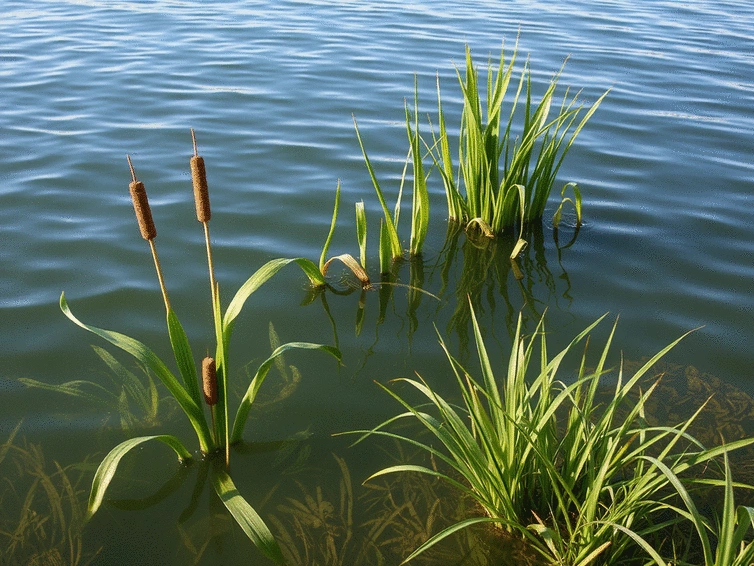
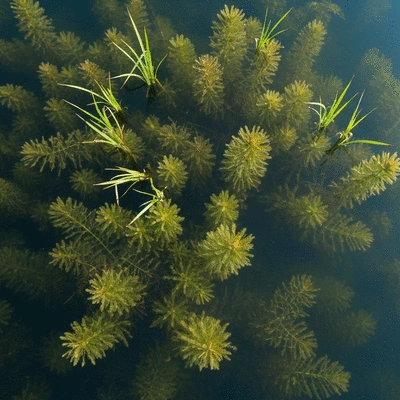
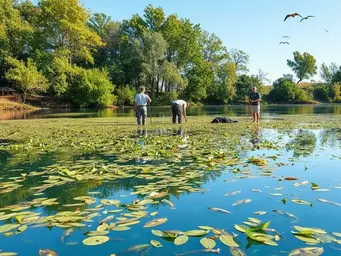
When we talk about aquatic weeds, it's essential to understand the two primary categories: emergent and submersed. Emergent aquatic weeds are those that grow above the water's surface, such as cattails and bulrushes. These plants typically thrive along the edges of lakes and rivers, playing a crucial role in stabilizing shorelines and providing habitat for wildlife. On the other hand, submersed aquatic weeds, like watermilfoil and elodea, grow entirely underwater. They can create dense mats that impact water flow and light penetration.
Understanding these differences is fundamental for anyone involved in managing aquatic ecosystems. Each type presents unique challenges and benefits, making identification a key step in effective management strategies.
Defining Emergent and Submersed Aquatic Weeds
To further clarify, emergent weeds are generally rooted in shallow water but extend above the surface. Common examples include:
- Cattails
- Reed canary grass
- Pickerelweed
Submersed weeds, by contrast, are fully submerged in water. They often include species such as:
- Watermilfoil
- Curly-leaf pondweed
- Coontail
The identification of these plants is essential for developing targeted management approaches. Knowing whether you’re dealing with emergent or submersed species allows for the selection of the most appropriate control techniques.
The Importance of Identifying Weed Types for Effective Control
Correct identification is critical for effective weed management strategies. If we misidentify a weed, we may choose the wrong control methods, leading to ineffective results and wasted resources. For example, emergent weeds often require methods like mechanical removal, while submersed weeds might be better managed with herbicides or biological controls.
By understanding the specific characteristics of each type, you can tailor your approach to improve outcomes significantly. This knowledge not only enhances your management efforts but also contributes to healthier ecosystems in the long term.
Tailored Control Methods for Emergent Aquatic Weeds
Mechanical Control Techniques for Emergent Weeds
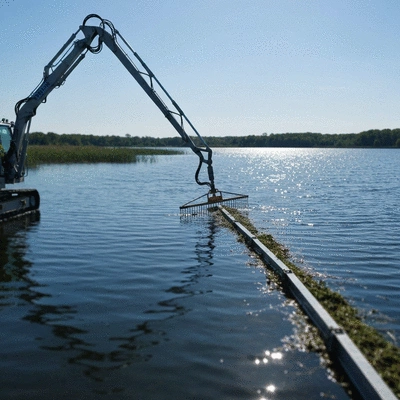
Mechanical control methods are often effective for managing emergent aquatic weeds. Techniques such as hydro-raking and implementing physical barriers can significantly reduce weed populations. Hydro-raking involves using specialized equipment to rake and remove weeds from the water while minimizing disturbance to the sediment.
Barriers, like floating booms or mesh screens, can also help prevent the spread of these weeds into desired areas. This method is particularly useful in recreational lakes where aesthetic quality and usability are priority concerns.
Chemical Control Options: Herbicides for Emergent Weeds
While mechanical solutions are valuable, sometimes we need to consider chemical treatments for more extensive infestations. There are several herbicides specifically formulated for emergent weeds, including:
- ProcellaCOR - Ideal for its quick action and reduced risk to non-target species.
- Fluridone - Slower acting but effective for long-term control.
Each herbicide comes with its own set of benefits and safety considerations. For instance, while ProcellaCOR may act quickly, it’s crucial to assess local aquatic life to ensure no adverse effects occur. For specific information on aquatic pesticide application plans, you can refer to resources like the 2024 Walter F. George Annual Aquatic Pesticide Application Plan. You can also find general information on aquatic herbicide and algaecide applications from sources like the California Department of Water Resources.
Integrating Integrated Pest Management (IPM) for Effective Control
Integrating an Integrated Pest Management (IPM) approach can enhance how we manage emergent aquatic weeds. IPM combines cultural, mechanical, biological, and chemical methods to create a holistic strategy that is more sustainable and effective over time.
For example, regular monitoring of weed growth can inform the timing of mechanical removals or herbicide applications. By assessing local conditions and understanding the life cycles of the weeds we face, we can make more informed decisions, ultimately leading to healthier water habitats. Further research on the efficacy of various control methods, including biological controls, can be found in studies such as those published on PMC NCBI.
We Want to Hear From You!
In your experience managing aquatic weeds, what methods have you found most effective? Share your thoughts below:
Frequently Asked Questions About Aquatic Weeds
Conclusion: Making Informed Decisions for Aquatic Weed Management
As we've explored the complex world of aquatic weeds, it's clear that understanding the differences between emergent and submersed plants is essential. Each category requires tailored approaches to ensure effective control and promote healthy ecosystems. Utilizing methods that suit the specific type of weed allows for better management outcomes, ultimately leading to improved water quality and biodiversity.
Whether you're dealing with the robust cattails that rise above the water's surface or the invasive watermilfoil lurking below, recognizing their unique characteristics can guide your management strategies. From mechanical removal techniques to the use of targeted herbicides, making informed decisions is crucial in preserving our aquatic habitats. I encourage you to take a proactive approach, implementing the strategies we've discussed to combat these pesky weeds.
Call to Action: Enhance Your Weed Management Strategy
If you're a pond or lake owner, it's time to assess your specific situation regarding aquatic weed management. Understanding the nuances of your waterway can significantly affect your approach and success in controlling these plants. Consider reaching out to Aquatic Weed Solutions for expert advice tailored to your unique needs. We are here to help you make informed decisions that will lead to healthier waterways!
- Evaluate the types of weeds present in your waterway.
- Research and choose the appropriate control methods based on the identified species.
- Engage with local experts or resources like Aquatic Weed Solutions for personalized guidance.
Remember, managing aquatic weeds is not just about eradication; it's about fostering a balanced ecosystem. Together, we can take steps toward restoring and maintaining the beauty and health of our waterways!
Recap of Key Points
Here is a quick recap of the important points discussed in the article:
- Aquatic weeds are categorized into emergent (above water) and submersed (underwater) types.
- Identifying the type of aquatic weed is crucial for selecting appropriate management strategies.
- Mechanical control methods, such as hydro-raking and barriers, are effective for emergent weeds.
- Herbicides like ProcellaCOR and Fluridone offer chemical control options for emergent weeds.
- An Integrated Pest Management (IPM) approach combines various methods for long-term effectiveness.


Aquatic Weed Control Methods Explained
Identify Aquatic Weeds Effectively
Evaluating Your Aquatic Weed Strategy
Restoring Ecosystems After Aquatic Weeds
Choosing Aquatic Weed Control Services