
Method 1:
Chemical Control
Uses herbicides/algaecides. Offers fast-acting results and targeted application, but has potential for runoff and may need repeated use.
Fast & Targeted
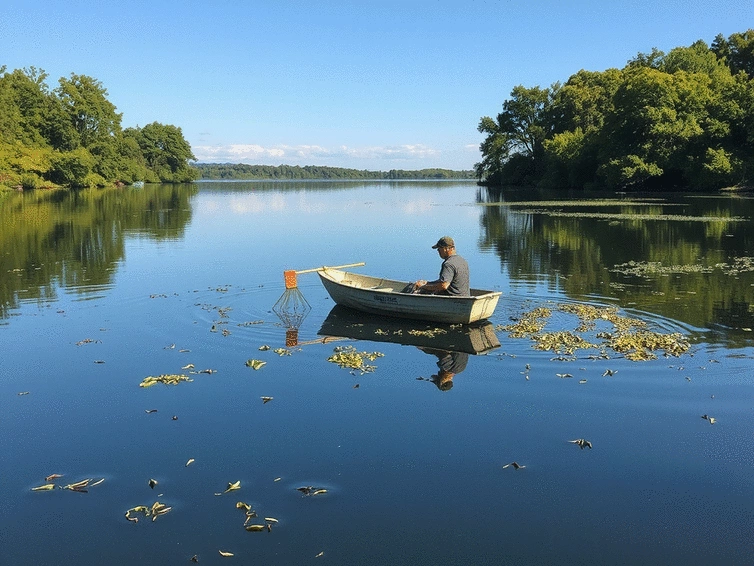
Have you ever considered the unseen battles taking place beneath the surface of our lakes and ponds? The fight against invasive aquatic weeds is not just about aesthetics; it's about preserving the delicate balance of our ecosystems. Understanding this intricate relationship empowers us to take proactive steps in protecting our waterways.
Understanding the various approaches to aquatic weed management is crucial for maintaining healthy waterways. This overview highlights the key control methods and their characteristics.
Uses herbicides/algaecides. Offers fast-acting results and targeted application, but has potential for runoff and may need repeated use.
Techniques like dredging/aeration. Beneficial for larger infestations and often has less environmental impact.
Uses natural predators (insects/fish). Promotes biodiversity and offers a long-term, sustainable solution.
Combines multiple strategies (chemical, mechanical, biological). Holistic approach for long-term ecological health.
As we navigate the complexities of managing our precious aquatic ecosystems, it's essential to understand why effective aquatic weed management matters. Invasive aquatic weeds can disrupt the balance of our lakes and ponds, affecting not only the beauty of these environments but also their overall health. By recognizing the importance of controlling these invasive species, we empower ourselves and our communities to preserve the ecological integrity of our waterways!
Effective management of aquatic weeds is crucial for several reasons. Firstly, invasive species can outcompete native plants, leading to diminished biodiversity. Secondly, they can impede water flow, negatively impacting recreational activities like boating and swimming. Lastly, unchecked growth of aquatic weeds can lead to a decline in water quality, making it essential to tackle these challenges head-on.
By understanding these factors, landowners and waterway managers can take proactive steps toward maintaining a balanced ecosystem. Remember, every effort counts when it comes to preserving our aquatic habitats!
Several invasive aquatic weeds pose threats to our lakes and ponds. Some of the most notorious include hydrilla, water hyacinth, and Eurasian watermilfoil. Each species has unique characteristics that enable them to thrive, often at the expense of native flora.
Being able to identify these species is the first step toward effective management. By staying informed, we can develop strategies to combat their spread and support our local ecosystems.
Aquatic ecosystems play a vital role in maintaining water quality. They provide habitat for diverse species and contribute to nutrient cycling, which is essential for a healthy environment. However, the presence of invasive weeds can lead to nutrient overloads, resulting in harmful algal blooms and decreased oxygen levels in the water.
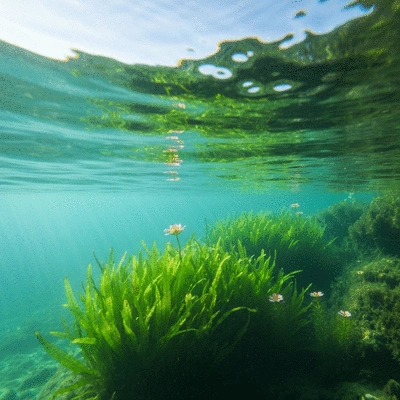
Ultimately, understanding how aquatic ecosystems function is key to maintaining their health. Through effective weed management, we can ensure a sustainable future for our lakes and ponds.
What challenges have you faced in managing aquatic weeds in your local waterways? Share your experiences and thoughts below:
When faced with the challenge of managing aquatic weeds, it's important to understand the different control methods available. Each method has its own advantages and limitations, so knowing your options can help you make informed decisions. In this section, I'll walk you through the various approaches to aquatic weed control and what you should consider when selecting a service.
By familiarizing yourself with these options, you can better evaluate the right fit for your specific situation and ensure a successful outcome in your weed management efforts.
Understanding the difference between chemical and mechanical control methods is crucial in choosing the right approach for your aquatic weed problem. Chemical methods typically involve the use of herbicides, while mechanical methods rely on physical removal techniques. Let’s dive deeper into each of these methods.
Deciding between these methods often depends on factors like the type of weed, size of the infestation, and the specific characteristics of your waterway. We want to ensure that we make an informed choice that supports the long-term health of our aquatic ecosystem!
Using herbicides and algaecides can provide quick results in managing invasive weed populations. However, it's essential to weigh the benefits against potential drawbacks. Here are some pros and cons to consider:
As an ecologist, I always recommend assessing the environmental impact before proceeding with chemical treatments. This ensures we're making choices that align with our mission to preserve aquatic ecosystems. For detailed information on regulations concerning aquatic plant control, you can refer to Florida Statutes regarding aquatic plants.
Mechanical methods can also be effective for controlling aquatic weeds, especially in certain scenarios. Two common techniques include dredging and aeration. Each method has unique benefits:
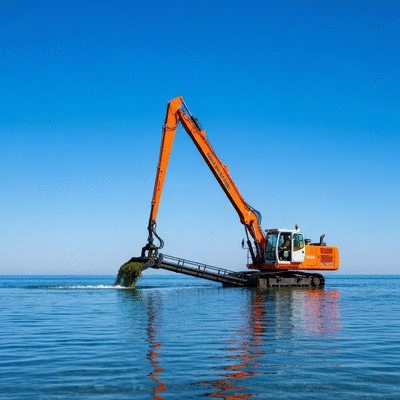
Using mechanical methods can be particularly beneficial for larger infestations where chemical treatments may not be practical. Plus, these methods often have less impact on the surrounding environment!
Introducing natural predators is another innovative approach to managing aquatic weeds. Biological control methods can include using specific insects or fish that feed on invasive species. Here are a few key points about this strategy:
As I’ve seen firsthand, employing biological control can lead to sustainable outcomes that benefit both our waterways and their inhabitants. Understanding the permitting process for such activities is crucial, and you can find more information on aquatic plant management permitting.
Integrated Pest Management, or IPM, combines multiple control strategies to minimize the impact of aquatic weeds while promoting ecological health. This holistic approach can include:
Implementing an IPM strategy aligns perfectly with our mission at Aquatic Weed Solutions. It empowers landowners and managers to take a comprehensive approach to aquatic weed control, ensuring healthier ecosystems for the future! For more insights into comprehensive aquatic plant management, refer to Chapter 369 of the Florida Statutes.
Here is a quick recap of the important points discussed in the article:
Aquatic Weed Control Methods Explained
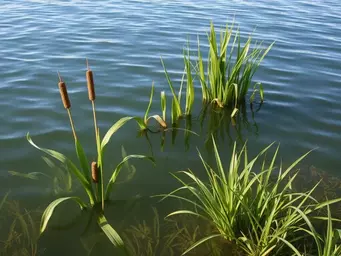
As we dive into the world of aquatic weeds, have you ever wondered what lurks beneath the surface of
Identify Aquatic Weeds Effectively
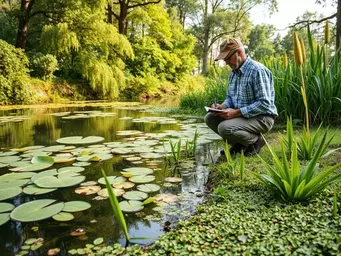
Have you ever glanced at your pond and wondered what unseen challenges it faces? Understanding aquat
Evaluating Your Aquatic Weed Strategy
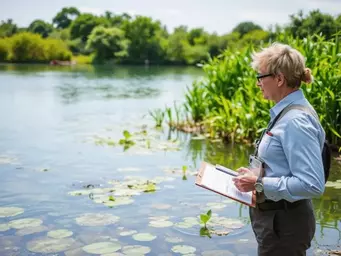
As we delve into the complexities of aquatic weed management, consider this: effective strategies hi
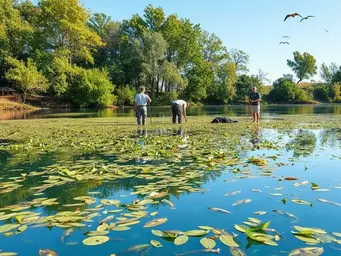
Aquatic Weed Control Methods Explained
Identify Aquatic Weeds Effectively
Evaluating Your Aquatic Weed Strategy
Restoring Ecosystems After Aquatic Weeds
Choosing Aquatic Weed Control Services