
Importance of Accurate Identification
Mitigates damage to native plants & fish; saves resources; ensures regulatory compliance.
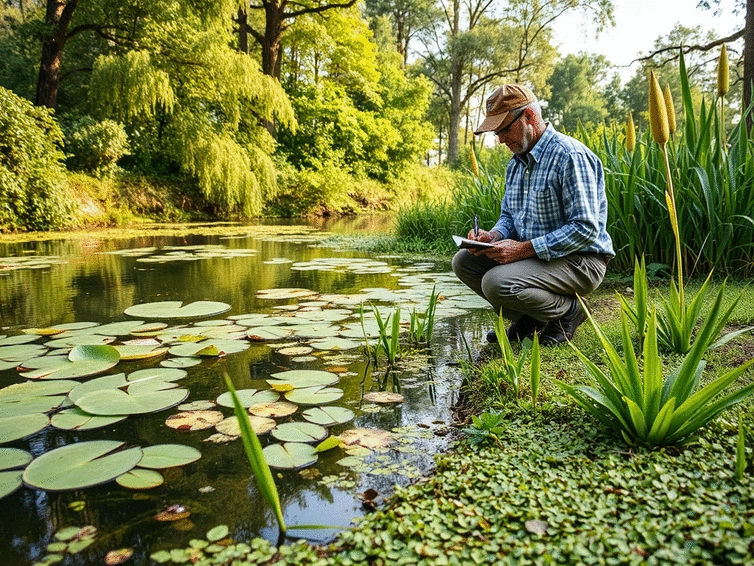
Have you ever glanced at your pond and wondered what unseen challenges it faces? Understanding aquatic weeds is essential for maintaining the health of your waterway. This article reveals practical insights into identifying and managing these invasive species, providing you with the tools necessary to protect your aquatic environment.
Effective management of aquatic weeds relies on accurate identification and a tailored approach. Below are the key strategies and their benefits visualized.
Mitigates damage to native plants & fish; saves resources; ensures regulatory compliance.
Participate in citizen science initiatives, attend workshops, and engage with local conservation groups for tailored advice and support.
Have you ever looked out over your pond or lake and wondered what lurks beneath the surface? Accurate identification of aquatic weeds is crucial for effective pond and lake management. It allows us to recognize invasive species early and take action before they disrupt the balance of our cherished ecosystems. By understanding what types of weeds are present, landowners can make informed decisions that lead to healthier waterways.
As an ecologist, I’ve seen firsthand how a well-managed ecosystem can thrive when weeds are identified correctly. With the right knowledge, you can protect your aquatic habitats from damage caused by these unwanted visitors.
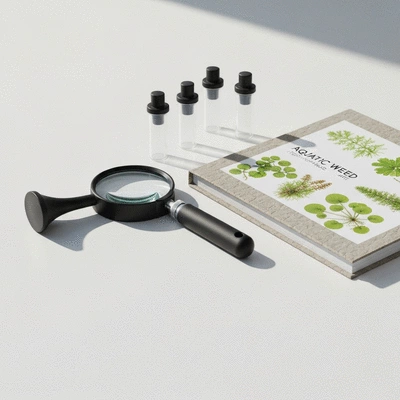
Identifying aquatic weeds accurately brings numerous benefits to landowners and waterway managers alike. Here are a few reasons why it matters:
By identifying weeds accurately, we can take proactive steps to maintain the ecological balance and protect our waterways from further harm.
Understanding the types of aquatic weeds that can invade your ponds or lakes is essential. Here are a few common culprits that may affect your aquatic ecosystem:
As I’ve learned through my work at Aquatic Weed Solutions, awareness of these species is the first step in effective management. Each type of weed presents unique challenges, and understanding their characteristics can guide your control strategies. For a comprehensive guide on aquatic weed identification and management, check out this resource from NC State Extension.
Invasive species pose significant threats to the health of your waterway. They compete with native plants for resources and can drastically alter the habitat. For example, the presence of invasive species like water hyacinth can lead to decreased biodiversity and lower water quality. Staying vigilant and identifying these invasive plants early on is vital to preserving the integrity of your ecosystem. The Washington State Department of Ecology provides valuable technical assistance for managing aquatic invasive plants.
Let’s dive a little deeper into some of the key aquatic weeds to monitor:
By being aware of these plants and their impact, landowners can take proactive measures to manage and control them, ensuring a balanced aquatic ecosystem.
A: Accurate identification is crucial for effective pond and lake management because it helps mitigate damage to native plants and fish, saves resources by allowing for targeted control methods, and ensures compliance with any relevant regulations regarding invasive species.
A: Common invasive aquatic weeds include Water Hyacinth, known for its rapid growth and surface coverage; Hydrilla, which can quickly choke waterways; and Milfoil, which forms dense mats impacting water quality and recreational activities.
A: Landowners can start by conducting a thorough assessment of their water body to identify existing weed species, researching available DIY tools and resources, and joining community groups focused on monitoring and reporting aquatic weeds.
A: Community involvement fosters early detection and effective management of aquatic weeds. Through citizen science initiatives and workshops, communities can strengthen local networks, share valuable information, and collectively commit to preserving aquatic environments.
A: Resources include high-resolution visual identification charts, mobile apps for real-time plant identification, and online forums where landowners share tips. Organizations like NC State Extension and the Washington State Department of Ecology also offer comprehensive guides and technical assistance.
Have you faced challenges with aquatic weeds in your waterway? What strategies have you found most effective in managing them? Share your thoughts below:
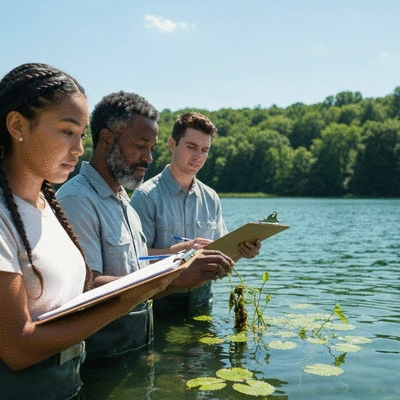
As we conclude our exploration into aquatic weed management, it's crucial to recognize that successful strategies require a tailored approach. Each pond and lake presents unique challenges, and identifying the right solutions can make all the difference. Here are some key takeaways to help you manage your aquatic environment effectively:
By following these guidelines, you not only foster a healthier ecosystem but also enhance the beauty and usability of your water body!
Every waterway has its unique characteristics that dictate what management strategies will work best. This is why I emphasize the importance of personalizing your approach to aquatic weed management. Collaborating with local experts and conservation groups can provide you with tailored advice that fits your specific needs.
Connecting with organizations dedicated to preserving aquatic ecosystems can be incredibly beneficial. Not only do they offer resources and workshops, but they also often have access to local knowledge that can guide your management efforts. Here are a few ways to engage:
By becoming active in these communities, you not only gain valuable information but also contribute to collective efforts aimed at preserving our precious waterways!
Ready to take action? Here are some practical steps you can follow to begin managing aquatic weeds effectively in your area:
Taking these initial steps is vital for effective weed management—every action counts!
Using the right resources makes a significant difference in your ability to identify and manage aquatic weeds. From illustrated guides to mobile apps designed for landowners, there are plenty of tools at your disposal. Here are some resources to consider:
Leveraging these resources not only empowers you but also enhances your effectiveness in tackling aquatic weeds!
Community involvement is key to sustainable aquatic management. The more eyes on the water, the better the chances of early detection and effective management. Here are ways to foster community participation:
Citizen science initiatives allow residents to contribute to local ecological health while learning about aquatic ecosystems. Consider participating in the following:
Encouraging community involvement not only strengthens your local network but also builds a collective commitment to preserving our aquatic environments!
Here is a quick recap of the important points discussed in the article:
Aquatic Weed Control Methods Explained
As we dive into the world of aquatic weeds, have you ever wondered what lurks beneath the surface of
Identify Aquatic Weeds Effectively
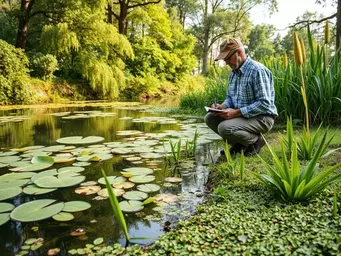
Have you ever glanced at your pond and wondered what unseen challenges it faces? Understanding aquat
Evaluating Your Aquatic Weed Strategy
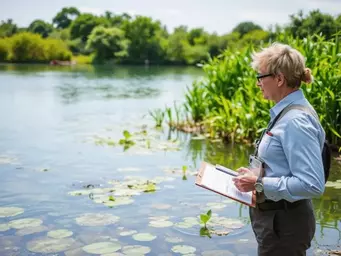
As we delve into the complexities of aquatic weed management, consider this: effective strategies hi
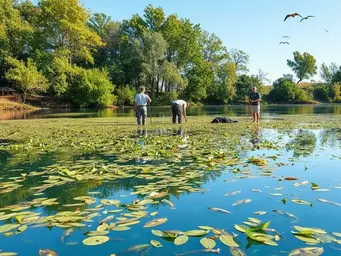
Aquatic Weed Control Methods Explained
Identify Aquatic Weeds Effectively
Evaluating Your Aquatic Weed Strategy
Restoring Ecosystems After Aquatic Weeds
Choosing Aquatic Weed Control Services