
Aquatic Weeds and Ecosystem Recovery
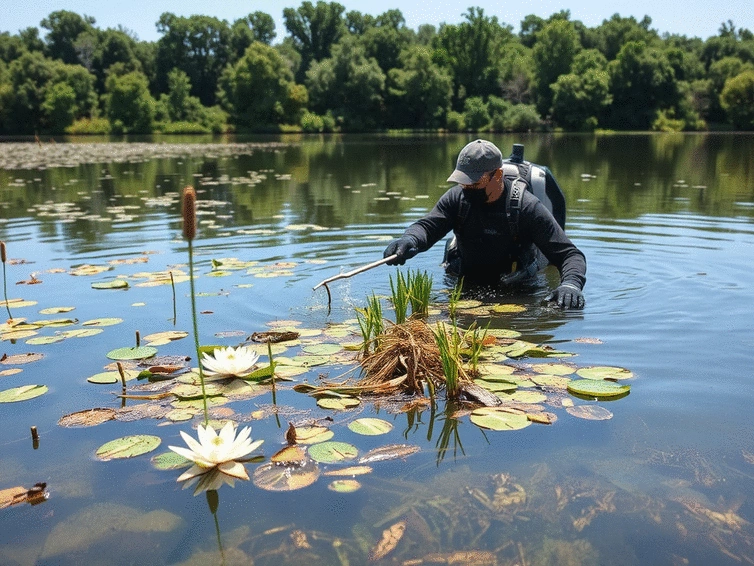
As we dive into the world of aquatic weeds, have you ever wondered what lurks beneath the surface of our cherished lakes and rivers? These invasive species not only alter the landscape but also disrupt the delicate balance of aquatic ecosystems. By recognizing the various species of aquatic weeds, we empower ourselves to take action and restore harmony to our waterways.
What You Will Learn
- Understanding the importance of managing aquatic weeds to prevent habitat loss and protect water quality.
- Recognizing the key steps for effective ecosystem recovery after managing invasive species.
- The significance of community involvement in preserving aquatic ecosystems and how it can lead to more sustainable practices.
- Exploring nonchemical strategies for controlling aquatic weeds effectively and their long-term benefits.
- Identifying invasive species early and implementing tailored control measures to ensure ecosystem health.
The Journey of Aquatic Weed Management: From Problem to Thriving Ecosystem
This visual outlines the interconnected process of aquatic weed management, focusing on problem identification, control strategies, and the resulting ecosystem recovery and long-term benefits.
1. Problem Identification
- Invasive Species (e.g., Hydrilla)
- Habitat Loss & Disruption
- Decreased Water Quality
2. Control Strategies
- Mechanical Removal
- Biological Control
- Nutrient Management
3. Ecosystem Recovery
- Replanting Native Species
- Monitoring Water Quality
- Community Involvement
4. Long-Term Benefits
- Restored Native Flora
- Improved Water Clarity
- Enhanced Biodiversity
Understanding the Role of Aquatic Weed Management in Ecosystem Recovery
As we explore the intricate relationship between aquatic weeds and our ecosystems, it’s crucial to understand why managing these invasive species is essential. Aquatic weeds are plants that can disrupt the natural balance of water ecosystems, creating challenges for both flora and fauna. Their unchecked growth can lead to a decline in water quality, hinder recreational activities, and ultimately threaten the biodiversity of aquatic habitats.
By controlling aquatic weeds, we not only restore the natural beauty of our waterways but also help in the recovery of the entire ecosystem. As someone who has spent years working with landowners and waterway managers, I’ve seen firsthand the positive impacts that effective weed management can foster.
What Are Aquatic Weeds and Why Control Them?
Aquatic weeds encompass a variety of plant species, some of which are native while others are invasive. Invasive aquatic weeds, like hydrilla and water hyacinth, can quickly outcompete native species, leading to a cascade of negative effects on the ecosystem. For instance, the USDA Agricultural Research Service has a project specifically focused on the biological control of aquatic weeds such as hydrilla, highlighting the significant threat they pose. Here are a few reasons why controlling them is vital:
- Preventing habitat loss: Overgrowth can choke out native plants and disrupt habitats for fish and other wildlife.
- Protecting water quality: Dense weed cover can decrease oxygen levels, making it difficult for aquatic life to thrive.
- Enhancing recreational use: Clear waterways allow for better fishing, boating, and swimming experiences.
By understanding the types of aquatic weeds present in our ecosystems, we can implement strategies that target these invasive species effectively.
The Importance of Ecosystem Recovery After Weed Management
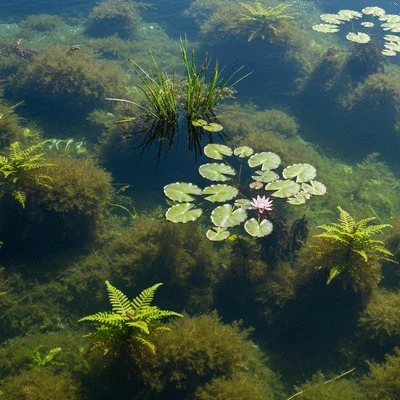
Once aquatic weeds are managed, the focus shifts to the vital process of ecosystem recovery. This phase is not just about removing the weeds; it’s about restoring the balance and encouraging native species to thrive again. After all, healthy ecosystems support diverse wildlife and provide numerous benefits to our communities.
Key recovery actions include:
- Replanting native species: Introducing or enhancing native plants can help restore lost habitats.
- Monitoring water quality: Regular testing ensures that ecosystem recovery is on track.
- Community involvement: Engaging local communities fosters stewardship and awareness of aquatic health.
These steps are essential for ensuring that the ecosystem not only recovers but thrives over the long term.
Invasive Species and Their Impact on Ecosystem Recovery
Invasive species are a significant hurdle in the path to ecosystem recovery. Their presence can alter nutrient cycling, disrupt food chains, and outcompete native species for resources. As I continue to work with various stakeholders, I’ve noticed that successful recovery often hinges on how we address these invasive threats proactively.
For example, a study on the impact of invasive species like zebra mussels demonstrates how they can drastically change an ecosystem’s food web and nutrient dynamics, underscoring the importance of early intervention. It’s important to consider:
- Identifying invasive species: Early detection can prevent widespread infestations.
- Implementing control measures: Tailored strategies depending on the species and habitat can lead to better outcomes.
- Educating the community: Knowledge is power; educating local stakeholders about the impacts of invasive species is crucial.
Through effective management and community engagement, we can pave the way for a robust recovery of our aquatic ecosystems.
Interactive Poll: Share Your Thoughts!
As we delve deeper into the practices of aquatic weed management, we want to know: What method do you believe is the most effective for controlling invasive aquatic weeds?
Frequently Asked Questions About Aquatic Weed Management
Q: What are aquatic weeds and why is managing them important?
A: Aquatic weeds are plants that grow in water and can disrupt the natural balance of aquatic ecosystems. Managing them is crucial because their unchecked growth can lead to habitat loss, decreased water quality, and hinder recreational activities, threatening the overall biodiversity of waterways.
Q: What are the key steps for ecosystem recovery after aquatic weed management?
A: Key recovery actions include replanting native species to restore habitats, monitoring water quality to ensure the ecosystem is on track, and engaging the local community to foster stewardship and awareness of aquatic health.
Q: How do invasive species impact ecosystem recovery and what can be done?
A: Invasive species alter nutrient cycling, disrupt food chains, and outcompete native species. Successful recovery requires early identification, implementing tailored control measures, and educating the community about their impacts to prevent widespread infestations.
Q: What are some nonchemical strategies for controlling aquatic weeds effectively?
A: Nonchemical strategies include mechanical removal (using tools like rakes), biological control (introducing natural predators), and nutrient management (addressing nutrient loading to reduce weed growth). These methods offer sustainable alternatives for ecosystem integrity.
Q: Why is community involvement significant in preserving aquatic ecosystems?
A: Community involvement is vital for long-term success. Engaging local stakeholders through clean-up days, educational workshops, and citizen science projects amplifies management efforts, shares resources, and fosters a collective responsibility towards healthy waterways.
Summarizing the Impact of Aquatic Weed Management on Ecosystem Health
Effective aquatic weed management plays a pivotal role in maintaining the health of our ecosystems. By implementing targeted control strategies, we can significantly enhance the resilience of aquatic environments. When we address invasive weed populations, we're not only restoring balance but also revitalizing the habitats that countless species depend on. This connection between weed control and ecosystem health is crucial, and understanding it can lead to long-term benefits.
One of the most notable long-term benefits of effective weed control practices includes improved water quality. Healthy ecosystems can filter pollutants, support diverse aquatic life, and enhance recreational opportunities for communities. Imagine a thriving lake where families can enjoy fishing, swimming, and boating without the hindrance of invasive species! This is what we strive for at Aquatic Weed Solutions by empowering communities with knowledge and tools to manage their waterways effectively.
Long-Term Benefits of Effective Weed Control Practices
Implementing robust weed management strategies not only enhances ecosystem health but also fosters sustainable practices that can benefit future generations. Here are some key long-term benefits:
- Restored native plant populations: By reducing the spread of invasive species, native flora can thrive, leading to healthier habitats.
- Improved water clarity: Effective control practices reduce turbidity, allowing sunlight to penetrate deeper, promoting photosynthesis in aquatic plants.
- Enhanced biodiversity: A balanced ecosystem supports a wider variety of aquatic and terrestrial life, creating a rich tapestry of interactions.
- Economic advantages: Healthy waterways attract tourism and increase property values, providing financial benefits to local communities.
As we look at these benefits, it’s clear that the efforts we put into managing aquatic weeds can yield significant rewards for both the environment and our communities.
Encouraging Community Involvement in Aquatic Ecosystem Preservation
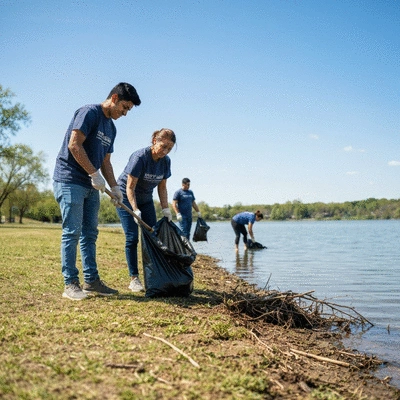
Community involvement is vital for the long-term success of aquatic ecosystem preservation. Engaging local stakeholders, including landowners, ecologists, and waterway managers, can amplify efforts in weed management. Initiatives such as community clean-up days, educational workshops, and citizen science projects foster a collaborative spirit and a shared sense of responsibility towards our waterways.
One way I’ve seen this work effectively is through local partnerships. When communities unite under a common goal of preserving their aquatic environments, the results can be transformative. By sharing knowledge, resources, and experiences, we can take meaningful steps toward sustainable management practices.
Evaluating Water Quality and Its Relation to Aquatic Biodiversity
Water quality is a crucial indicator of ecosystem health. The presence of aquatic weeds can significantly alter water chemistry, affecting everything from dissolved oxygen levels to nutrient cycling. Monitoring these changes provides insights into both the effectiveness of management strategies and the overall biodiversity of an ecosystem.
Regular assessments of water quality can help us understand the impacts of our weed management efforts. For example, the Washington State Department of Ecology provides comprehensive guidelines on water quality monitoring for aquatic plant management, emphasizing the critical link between water parameters and biodiversity. Some key factors to monitor include:
- Dissolved Oxygen Levels: Essential for fish and other aquatic life, these levels can indicate the health of an ecosystem.
- Nutrient Levels: Monitoring nitrogen and phosphorus can help manage algal blooms, which are often exacerbated by invasive species.
- pH Levels: A balanced pH is critical for the survival of many aquatic organisms.
By keeping an eye on these indicators, we can better understand how our actions impact aquatic biodiversity and make informed decisions for the future health of our waterways.
Taking Action: Practical Steps for Sustainable Aquatic Weed Management
Now that we've discussed the profound impact of aquatic weed management, it's time to take action! Implementing effective strategies not only helps restore ecosystems but also nurtures the communities that depend on them. Let’s explore how we can start making a difference today.
How to Implement Nonchemical Strategies Effectively
Nonchemical strategies offer sustainable alternatives for controlling aquatic weeds while maintaining ecosystem integrity. Here are some practical steps to implement these strategies:
- Mechanical Removal: Utilize tools like rakes and cutters for small infestations, ensuring careful handling to minimize damage to native plants.
- Biological Control: Introduce natural predators or competitors that can help manage invasive species without harming the ecosystem.
- Nutrient Management: Address nutrient loading from surrounding areas to reduce invasive species growth, promoting a balanced ecosystem.
By applying these methods, communities can effectively combat aquatic weeds and restore the natural balance of their waterways.
Resources for Further Learning and Action in Ecosystem Recovery
At Aquatic Weed Solutions, we believe in the power of education. Here are some valuable resources to deepen your understanding and engage in ecosystem recovery:
- Workshops and Training: Attend local workshops to learn about weed identification and management techniques.
- Online Guides: Explore our illustrated guides on aquatic weeds to empower yourself with knowledge.
- Community Forums: Join discussions with other landowners and ecologists to share experiences and best practices.
By utilizing these resources, you can become an effective advocate for your local aquatic ecosystems.
Engaging Stakeholders for Successful Lake Management
Collaboration is key to successful aquatic ecosystem management. Engaging stakeholders, including local governments, environmental groups, and community members, creates a comprehensive approach to managing invasive species. Organizing meetings and discussions can foster a shared vision and align goals for lake management.
By working together, we can pool resources, share insights, and develop tailored management plans that meet the unique needs of each waterway. It’s through this collective effort that we can ensure healthier, more resilient aquatic ecosystems for generations to come!
Recap of Key Points
Here is a quick recap of the important points discussed in the article:
- Importance of Aquatic Weed Management: Managing invasive aquatic weeds is crucial for preventing habitat loss, protecting water quality, and enhancing recreational activities.
- Steps for Ecosystem Recovery: After managing weeds, focus on replanting native species, monitoring water quality, and engaging the community to support ecosystem recovery.
- Addressing Invasive Species: Early detection, tailored control measures, and community education are key strategies for managing invasive species effectively.
- Long-Term Benefits: Effective weed control leads to restored native plants, improved water clarity, enhanced biodiversity, and economic advantages for local communities.
- Community Engagement: Involving local stakeholders through clean-up initiatives, workshops, and partnerships strengthens efforts in aquatic ecosystem preservation.
Aquatic Weed Control Methods Explained
Identify Aquatic Weeds Effectively
Evaluating Your Aquatic Weed Strategy
Restoring Ecosystems After Aquatic Weeds
Choosing Aquatic Weed Control Services