
Oligotrophic Lakes
- Low nutrient levels
- High water clarity
- Rich in oxygen
- Diverse fish populations
(Healthy & Clear)
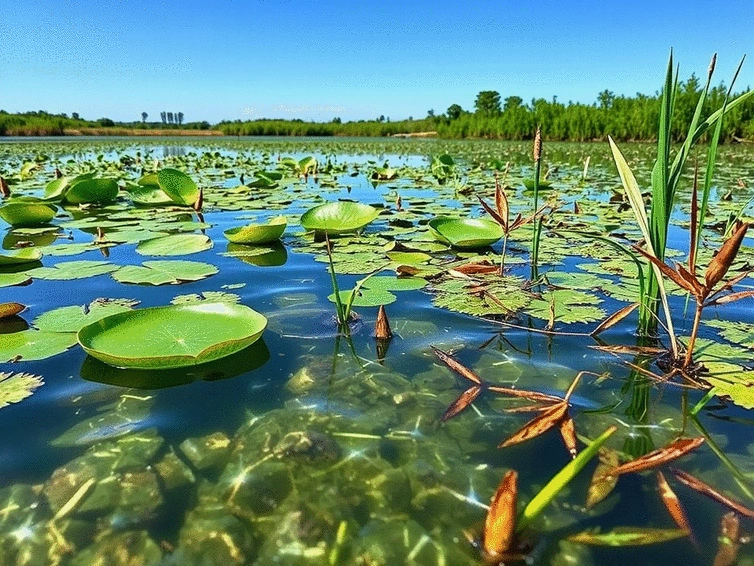
As you navigate the complexities of aquatic ecosystems, consider this: the health of our lakes and ponds is intricately linked to the balance of their nutrient levels. Understanding eutrophication is not just an ecological concern; it's vital for preserving the beauty and biodiversity of these water bodies.
Lakes naturally age, a process called eutrophication. This visual illustrates the key characteristics and impacts as a lake transitions from a healthy, nutrient-poor state to an overly enriched and degraded one.
(Healthy & Clear)
(Nutrient-Rich & Degraded)
(Slow & Long-term)
(Rapid & Human-induced)
Eutrophication is a natural process that affects all lakes and ponds over time. However, it can be accelerated by various human activities. Essentially, eutrophication refers to the gradual accumulation of nutrients, particularly nitrogen and phosphorus, which leads to excessive plant growth and decay. This process can significantly alter the aquatic ecosystem, affecting everything from water clarity to the health of fish populations.
As an ecologist, I've seen firsthand how eutrophication can impact water bodies, transforming them from vibrant ecosystems into murky, weed-choked ponds. Understanding this process is crucial, especially for landowners and waterway managers who want to maintain ecological balance in their local waters.
Eutrophication occurs naturally but can be exacerbated by human activities that introduce excess nutrients into water bodies. This includes runoff from agricultural fields, urban areas, and industrial sites. The influx of nutrients leads to an explosion of algae growth, which can deplete oxygen levels in the water as it decays. This phenomenon is often referred to as hypoxia, or low oxygen conditions, which can be detrimental to aquatic life. For a deeper dive into the ecological effects, this article from BioScience provides valuable insights into the broader impacts of nutrient loading on aquatic ecosystems.
Understanding the differences between natural and accelerated eutrophication helps us identify effective management strategies. It also sheds light on the importance of maintaining water quality for the health of our ecosystems.
Aquatic weeds are a direct consequence of eutrophication. As nutrient levels rise, invasive species like water hyacinth and curly-leaf pondweed thrive, often outcompeting native plants. These weeds can further exacerbate the problem by trapping nutrients and limiting water circulation, leading to additional algal blooms and oxygen depletion. The South Carolina Department of Health and Environmental Control offers comprehensive information on managing aquatic plant growth, which is often tied to nutrient levels.
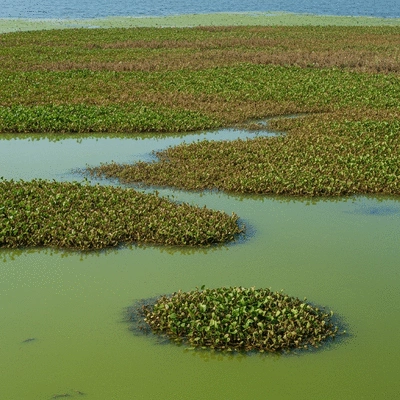
The management of aquatic weeds must be considered in any comprehensive approach to mitigating eutrophication. It's not just about removing the weeds; we need to understand their role in the ecosystem to effectively manage them.
Oligotrophic lakes are characterized by low nutrient levels and high water clarity, while eutrophic lakes are nutrient-rich and often suffer from poor water quality. This comparison is vital in understanding the health of our aquatic systems. Oligotrophic lakes are typically home to diverse fish populations and healthy aquatic life, whereas eutrophic lakes may often see fish die-offs and lowered biodiversity due to the effects of hypoxia.
Recognizing these differences helps us prioritize conservation efforts and direct resources where they are most needed. As I continue my work with Aquatic Weed Solutions, I emphasize the importance of protecting oligotrophic systems to prevent their degradation into eutrophic states.
Water quality is the cornerstone of healthy lake ecosystems. It influences the types of organisms that can thrive and the overall productivity of the system. Poor water quality can lead to a cascade of problems, including reduced fish populations, altered plant communities, and increased disease incidence among aquatic organisms. The U.S. Fish & Wildlife Service provides resources on managing aquatic invasive plants, highlighting how these species impact water quality and native ecosystems.
By prioritizing water quality, we can create a more balanced aquatic environment. At Aquatic Weed Solutions, I advocate for sustainable practices that protect our water resources and ensure future generations can enjoy healthy lakes and ponds.
To effectively manage eutrophication in local water bodies, consider implementing a riparian buffer. This natural strip of vegetation along the water's edge can significantly reduce nutrient runoff by filtering pollutants before they enter the water. Native plants in these buffers not only help stabilize the soil but also provide habitat for wildlife, enhancing biodiversity.
As we explore the intricate relationship between aquatic weeds and the aging of lakes and ponds, it becomes evident that these plants play a significant role in the process of eutrophication. Understanding this connection is crucial for effective management and restoration of our cherished water bodies. Let's dive into some key takeaways that illuminate the impact of aquatic weeds on lake ecosystems!
These points highlight the pressing need for awareness and action regarding the management of aquatic weeds. By understanding their role in eutrophication, we empower ourselves to take steps toward restoring balance to our aquatic environments.
As individuals and community members, we all have a part to play in managing eutrophication in our local waterways. Here are some practical steps you can take:
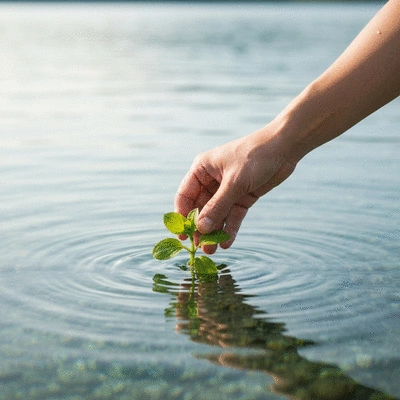
Each action contributes to healthier lakes and ponds, ultimately fostering sustainable aquatic ecosystems. Together, we can make significant strides in combating the challenges posed by aquatic weeds!
The Trophic State Index (TSI) is a vital tool for assessing and classifying the health of lakes and ponds based on their nutrient levels and productivity. It helps us understand how aquatic plants, including weeds, influence the overall state of a water body. The index ranges from:
By monitoring the TSI, we can better manage and restore our lakes, ensuring they remain thriving ecosystems. The insights gained from this index can guide effective interventions to reduce the impacts of aquatic weeds and maintain balanced aquatic habitats.
Your involvement can make a huge difference! Join local initiatives focused on maintaining and improving lake health. Whether it’s volunteering for clean-up events or participating in educational programs, your contribution can help foster the ecological balance we strive to achieve at Aquatic Weed Solutions.
To deepen your understanding of aquatic weeds and their management, consider exploring the following resources:
By utilizing these resources, you can become a more informed advocate for healthy waterways. Let's work together to protect our lakes and ponds for future generations!
Here is a quick recap of the important points discussed in the article:
Aquatic Weed Control Methods Explained
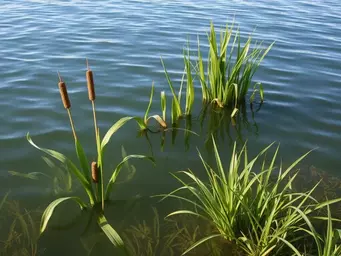
As we dive into the world of aquatic weeds, have you ever wondered what lurks beneath the surface of
Identify Aquatic Weeds Effectively
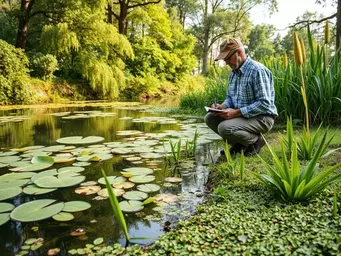
Have you ever glanced at your pond and wondered what unseen challenges it faces? Understanding aquat
Evaluating Your Aquatic Weed Strategy
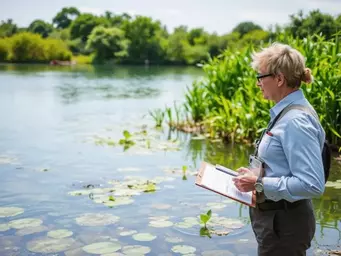
As we delve into the complexities of aquatic weed management, consider this: effective strategies hi
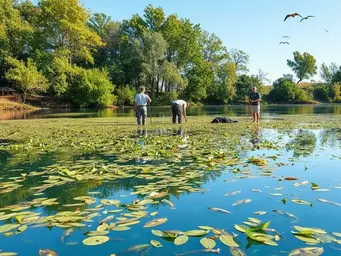
Aquatic Weed Control Methods Explained
Identify Aquatic Weeds Effectively
Evaluating Your Aquatic Weed Strategy
Restoring Ecosystems After Aquatic Weeds
Choosing Aquatic Weed Control Services