
Weeds as Pathogen Spreaders
- ✗ Invasive species (e.g., Water Hyacinth, Eurasian Watermilfoil) can increase pathogen levels.
- ✗ Deplete oxygen levels, harming aquatic life.
- ✗ Contribute to nutrient overload & harmful algal blooms.
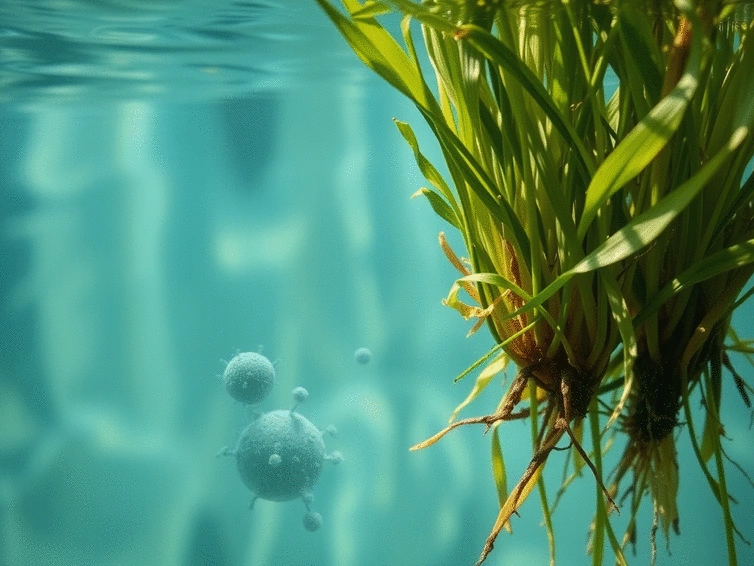
In the intricate dance of aquatic ecosystems, the role of weeds is both complex and critical. As we delve into this subject, we uncover unexpected truths about how certain aquatic plants can shape the health of our waterways. Are aquatic weeds merely invaders, or do they serve a purpose in managing pathogens? Let's explore the key insights from this discussion.
This visual highlights the contrasting roles of aquatic weeds in relation to waterborne pathogens, showcasing both their potential to spread and to remediate these organisms.
As we explore the complex world of aquatic ecosystems, one crucial question arises: do aquatic weeds spread pathogens in water systems? This topic has generated a fair amount of debate, and I'm here to clarify some misconceptions. While it's true that certain aquatic weeds can provide a habitat for various pathogens, they can also act as a natural filter, helping manage these organisms in our waterways.
To better understand this relationship, it's essential to recognize that not all aquatic plants are created equal. Some species may harbor pathogens, while others actively contribute to pathogen remediation, helping maintain the delicate balance of aquatic health.
There is evidence that some invasive aquatic weeds can introduce pathogens into water systems. For instance, species like water hyacinth and Eurasian watermilfoil have been linked to increased pathogen levels, as noted in reports such as the "Managing Invasive Aquatic Plants" note from UNEP-DHI. However, it's vital to note that the presence of these weeds does not automatically guarantee an outbreak of disease.
In my experience with Aquatic Weed Solutions, I've seen firsthand how educating landowners about the specific types of aquatic weeds they may encounter can significantly impact their management strategies. Understanding which weeds pose a risk is crucial for effective control.
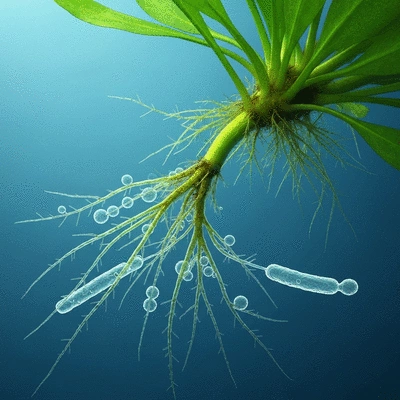
Interestingly, aquatic plants can also act as pathogen remediators. They do this through a variety of mechanisms, including the development of extensive root systems and the formation of biofilms. These biofilms can trap pathogens and, in some cases, inactivate them, effectively reducing the pathogen load in the water.
It's fascinating to recognize the dual role of these plants. As I work with different communities, I emphasize the importance of understanding both the risks and benefits associated with aquatic weeds. This knowledge is essential for developing effective weed management strategies.
While some aquatic plants can aid in pathogen management, invasive species often have the opposite effect, significantly impacting water quality and ecosystem health. By outcompeting native flora, invasive weeds can create imbalances in aquatic ecosystems that may lead to the proliferation of waterborne diseases. The Aquatic Plant Management Society's publications often highlight the challenges posed by aggressive invasive species.
This cascading effect is a critical concern for waterway managers. In my years of working with landowners, I've seen how addressing the challenges posed by invasive weeds can directly enhance water quality, benefiting both the environment and the communities that rely on these vital resources.
As we delve deeper into pathogen management, it's crucial to understand the mechanisms in place for pathogen removal in aquatic environments. These mechanisms often hinge on the very same plants that might also be seen as threats to water quality. The UN-Water SDG 6 Indicator Report emphasizes the importance of healthy aquatic ecosystems for water quality.
When managing aquatic weeds, consider implementing a combination of mechanical removal and natural phytoremediation techniques. This dual approach not only helps control invasive species but also leverages the beneficial properties of native plants to enhance water quality and ecosystem health.
No, not all aquatic weeds spread pathogens. While certain invasive species like water hyacinth and Eurasian watermilfoil can increase pathogen levels, many native aquatic plants act as natural filters, helping to reduce the pathogen load in water systems.
Aquatic weeds can remediate pathogens through various mechanisms. Their extensive root systems provide habitat for microbes that break down pathogens, and biofilms that form on the plants can trap and inactivate harmful organisms from the water column. Native plants like duckweed and cattails are particularly effective at this natural filtering process.
Invasive aquatic plants can significantly degrade water quality by outcompeting native species, depleting oxygen levels, and contributing to nutrient overload. This can lead to harmful algal blooms and an increased presence of pathogens, disrupting the overall ecosystem health.
Integrated weed management strategies involve a combination of approaches, including mechanical removal, chemical treatments, and leveraging natural phytoremediation processes. This holistic approach aims to control invasive species while enhancing water quality and promoting ecosystem health by utilizing the beneficial properties of native plants.
Local environmental conditions significantly influence the dynamics of aquatic weeds and pathogens. Understanding these specific conditions helps in identifying which weeds pose a risk, which can be beneficial, and what management strategies will be most effective for maintaining healthy aquatic environments.
In our exploration of aquatic weeds and their relationship with pathogens, we’ve uncovered some fascinating dynamics. On one hand, aquatic weeds can indeed introduce pathogens into water systems, posing potential risks to ecosystem health. On the other hand, these same plants can serve as effective removers of pathogens through natural processes. This dual role highlights the complexity of aquatic ecosystems and the need for careful management.
Key findings include the fact that while certain invasive aquatic weeds can carry harmful pathogens, many native aquatic plants have mechanisms that allow them to filter and inactivate these pathogens. Understanding this balance is crucial for anyone involved in managing water resources. By recognizing both the risks and benefits associated with aquatic weeds, we can foster healthier waterways.
Ultimately, recognizing this relationship allows us to create informed management plans that promote ecological balance. It's a fascinating area of study that can lead to practical applications in restoring and maintaining healthy aquatic environments.
As we look forward, I encourage environmental managers and pond owners to adopt integrated approaches to weed management. This means considering not only the risks associated with pathogens but also the benefits that aquatic plants can provide through phytoremediation. By leveraging the natural capabilities of these plants, we can improve water quality while controlling invasive species.
Here are some actionable steps to consider:

By taking these steps, we can work towards creating healthier ecosystems that can withstand the pressures of pathogens and invasive species alike. Your involvement is crucial in this endeavor!
I invite all readers to share their experiences and insights regarding aquatic weeds and pathogen management in their own water systems. What challenges have you faced? What strategies have worked for you? Your contributions can help build a community of knowledge that ultimately benefits all of us involved in maintaining balanced aquatic environments.
Lastly, let’s reflect on how maintaining aquatic biodiversity is essential for enhancing the resilience of water systems against pathogen outbreaks and habitat degradation. Biodiverse ecosystems tend to be more robust, offering multiple layers of protection against invasive species and diseases.
Engaging with the rich tapestry of life in our waterways not only improves ecosystem health but also enriches our understanding of the interconnectedness of all species involved. As we strive for sustainability, let's remember that every piece of the puzzle plays a vital role!
Here is a quick recap of the important points discussed in the article:
Aquatic Weed Control Methods Explained
As we dive into the world of aquatic weeds, have you ever wondered what lurks beneath the surface of
Identify Aquatic Weeds Effectively
Have you ever glanced at your pond and wondered what unseen challenges it faces? Understanding aquat
Evaluating Your Aquatic Weed Strategy
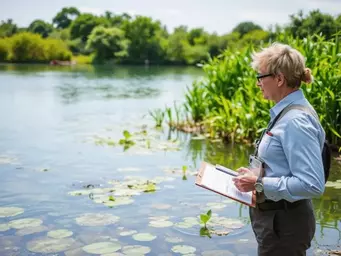
As we delve into the complexities of aquatic weed management, consider this: effective strategies hi
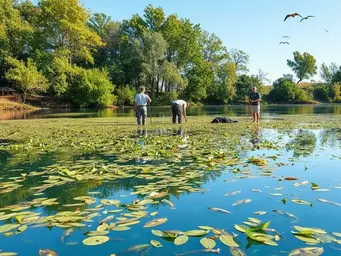
Aquatic Weed Control Methods Explained
Identify Aquatic Weeds Effectively
Evaluating Your Aquatic Weed Strategy
Restoring Ecosystems After Aquatic Weeds
Choosing Aquatic Weed Control Services