
Ecosystem Role: Native vs. Invasive
Native Plants
- Promote biodiversity
- Habitat stability
- Stabilize sediments
- Natural pest resistance
Invasive Weeds
- Disrupt ecosystems
- Rapid multiplication
- High reproductive rates
- Limited natural predators
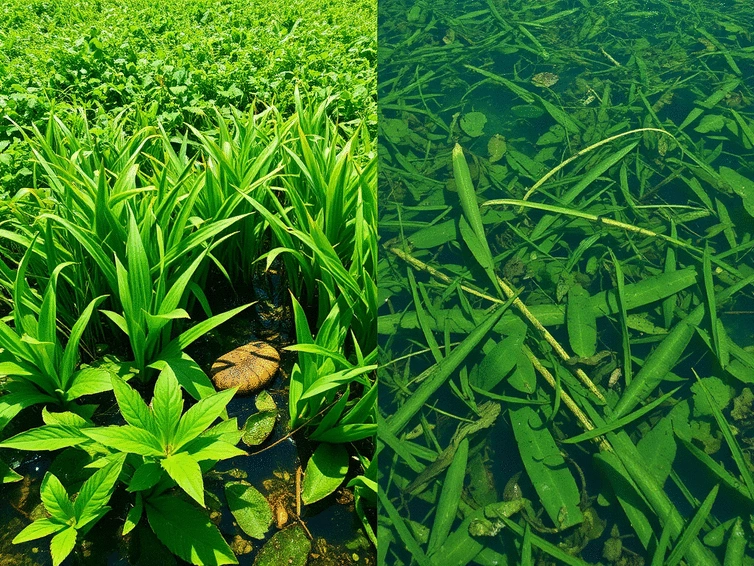
Consider this: invasive aquatic weeds can overtake up to 80% of a water body’s biomass, drastically altering local ecosystems. Understanding these plants is essential for anyone looking to preserve our precious waterways.
This visual highlights the critical distinctions and ecological impacts of native versus invasive aquatic plants, based on the provided article.
Native Plants: More balanced distribution
Sustainable ecosystem percentage (illustrative)Invasive Weeds: Can dominate up to 80% of biomass
High monoculture potentialAs we explore the world of aquatic ecosystems, it's crucial to understand the differences between native and invasive aquatic weeds. These plants play vastly different roles in our waterways. Native aquatic plants have co-evolved with local wildlife, while invasive species often disrupt the delicate balance of these habitats. Let’s take a closer look at what defines these two categories.
Native aquatic plants are those that naturally occur in a specific region, having adapted to local environmental conditions over thousands of years. They contribute significantly to ecosystem health by providing essential services such as habitat, food, and water filtration. In contrast, invasive aquatic weeds are non-native species that can rapidly multiply, outcompeting native flora for resources.
Understanding these definitions is the first step in recognizing the importance of managing aquatic ecosystems effectively.
Native aquatic plants display unique characteristics that allow them to thrive in their environments. They typically possess adaptations like:
These traits make native plants crucial for maintaining a balanced ecosystem, allowing them to coexist harmoniously within their habitats.
Invasive aquatic weeds, on the other hand, can be identified by their aggressive growth and ability to outcompete native species. Characteristics often include:
As a result, these weeds can create dense mats on water surfaces, blocking sunlight and depleting oxygen levels in the water, ultimately harming aquatic life.
The ecological impact of invasive aquatic weeds can be profound, affecting biodiversity and ecosystem health. Understanding these effects is vital for anyone involved in managing waterway resources, including landowners and ecologists like myself.
Invasive species often lead to a decline in biodiversity by outcompeting native plants, which are essential for local wildlife. This can disrupt food chains and reduce habitat availability for fish and other organisms. Invasive weeds can create monocultures that further diminish the resilience of aquatic ecosystems. A recent study highlights how invasive aquatic plants can significantly alter marine and freshwater environments, leading to declines in native species populations and disruptions in ecosystem services. (Source: Management of Biological Invasions)
Invasive aquatic weeds significantly alter habitats by changing physical and chemical properties of the water. For instance, they can:
These alterations can have cascading effects on the entire ecosystem.
Competition for resources such as water and nutrients is a primary concern when invasive species invade aquatic environments. These weeds can monopolize essential resources, leaving native plants struggling to survive. This imbalance can lead to widespread die-offs of native species, further exacerbating ecological decline.
Invasive aquatic weeds can severely impact water quality. They often contribute to:
As we continue to explore effective management strategies, understanding these impacts helps us prioritize actions that restore ecological balance.
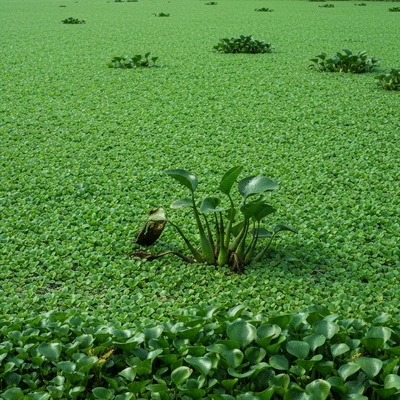
Comparing native and invasive aquatic plants reveals significant differences in their population dynamics and ecological roles. This analysis is critical for effective management and restoration efforts.
One of the most striking differences between native and invasive plants is their population abundance and density. Invasive species can rapidly overtake areas, leading to dense, monoculture populations, while native plants tend to maintain a more balanced distribution.
This disparity impacts the overall health and functioning of aquatic systems.
When managing invasive species, herbicide treatments can have mixed outcomes. While they may reduce invasive populations, there’s a risk of harming native species as well. It’s essential to carefully select treatments based on:
By approaching treatments strategically, we can enhance the effectiveness of our management efforts.
The Great Lakes region provides valuable insights into the impacts of invasive species. For example, studies have shown how certain invasive weeds have drastically altered nutrient dynamics and water clarity. Research on invasive species in the Laurentian Great Lakes, such as the round goby, demonstrates their profound impact on native fish populations and ecosystem structure. (Source: FACETS Journal) Learning from these cases can guide future management practices in other areas facing similar challenges.
Aquatic biomass plays a crucial role in ecosystem functioning. Native plants contribute to nutrient cycling and provide habitat for various organisms, while invasive plants may disrupt these processes. Evaluating biomass levels helps us assess the health of aquatic ecosystems and identify areas needing restoration.
To effectively manage aquatic weeds, quantitative assessments of their ecological impacts are vital. These assessments provide data-driven insights that help inform management strategies.
Implementing cost-benefit models allows us to evaluate the economic implications of different management strategies for invasive aquatic weeds. By considering factors such as:
We can make informed decisions that balance ecological health with economic viability.
Measuring biodiversity loss and recovery is essential for understanding the impacts of invasive species. Metrics can include:
Tracking these metrics over time enables us to gauge the effectiveness of restoration efforts.
Conducting environmental impact assessments (EIAs) of management strategies ensures that we consider both short-term and long-term effects on ecosystems. EIAs help identify potential risks and benefits associated with treatments, guiding us toward sustainable practices.
Here are some common questions about native and invasive aquatic weeds, and their management:
Engaging in restoration efforts is crucial for reversing the negative impacts of invasive aquatic weeds. Success stories and community involvement can inspire action and foster collaboration.
There are several inspiring success stories where communities have come together to rehabilitate native aquatic ecosystems. These efforts often involve:
Sharing these successes can motivate others to take initiative in their local areas!
The health of microbial communities and soil sediment is often overlooked in aquatic restoration. These elements play a vital role in nutrient cycling and overall ecosystem health. Ensuring their well-being can enhance the recovery of native plants and improve water quality.
Wetland restoration techniques are crucial for enhancing native species and rebuilding habitats. Techniques include:
By using these techniques, we can promote ecological resilience and support thriving aquatic ecosystems. For instance, understanding the ecology and ecosystem services of wetlands is essential for effective restoration, as detailed in recent ecological studies focusing on conservation and management. (Source: BioScience)
As we delve deeper into aquatic weed management, it's essential to address common questions. These inquiries not only reflect our curiosity but also help in spreading awareness about effective management practices.
The long-term effects of herbicides can vary based on the specific chemicals used and the ecosystem's characteristics. It's important to consider potential impacts such as:
Understanding these effects informs our decisions regarding chemical use in aquatic environments.
Homeowners play a vital role in managing aquatic ecosystems. Identifying invasive aquatic plants can be challenging, but there are key indicators to look for:
By educating themselves, homeowners can take proactive measures to manage their local waterways.
Effective management strategies for aquatic plants often involve a combination of methods tailored to specific situations. Considerations include:
By employing a range of strategies, we can work towards restoring balance in our aquatic environments.
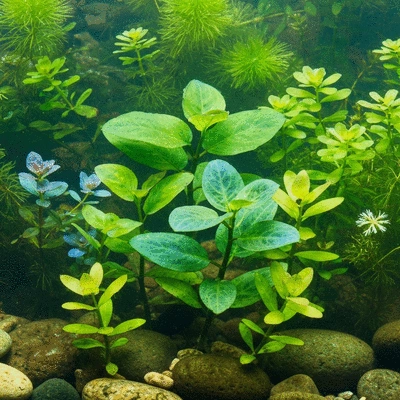
Invasive aquatic weeds can dominate up to 80% of the biomass in a water body, significantly outcompeting native plants and leading to reduced biodiversity. This alarming statistic underscores the urgent need for effective management strategies to protect our aquatic ecosystems.
As we reflect on the intricate dynamics of aquatic ecosystems, it becomes clear that understanding the differences between native and invasive aquatic plants is essential. The ecological impact of these weeds can be significant, influencing everything from biodiversity to water quality. Here are some key takeaways:
In our journey through the world of aquatic weeds, I've found that understanding the management trade-offs is vital for sustaining ecosystem health. Each choice made in controlling invasive species can have far-reaching implications for the communities of organisms that inhabit these waterways. Here's what to keep in mind:
When considering management practices, it's essential to weigh the benefits against potential drawbacks. For instance, while chemical treatments can be effective against invasive species, they may also harm native flora and fauna. It’s a delicate balance that requires thoughtful consideration and ongoing assessment. By educating ourselves and others, we can make more informed decisions that support healthy aquatic ecosystems.
Habitat destruction is a pressing concern. When aquatic habitats are fragmented, it limits the movement of species and disrupts their life cycles. This fragmentation can lead to a decline in biodiversity, as many organisms rely on specific habitats to thrive. Invasive species often capitalize on these changes, further compromising the health of the ecosystem. Together, we can advocate for practices that preserve and restore these vital habitats.
As we move forward, promoting informed decision-making in aquatic management is crucial. This is where Aquatic Weed Solutions steps in, providing valuable resources to help landowners, ecologists, and waterway managers navigate these challenges confidently.
To empower communities, it’s essential to offer accessible resources. Here are some valuable materials you can explore:
These resources not only enhance knowledge but also inspire action, fostering a collective effort toward sustaining healthy aquatic environments.
Public awareness is a powerful tool in the fight against invasive species. Campaigns that highlight the importance of protecting native aquatic ecosystems can motivate individuals to take action. Whether it’s through community clean-ups or educational events, raising awareness fosters a sense of responsibility and stewardship.
Collaboration is key when it comes to enhancing riparian zones and aquatic habitats. By working together, landowners, ecologists, and conservationists can share knowledge and resources, leading to more effective management strategies. Engaging local communities in restoration efforts not only strengthens these ecosystems but also builds a sense of connection to our waterways.
Here is a quick recap of the important points discussed in the article:
Aquatic Weed Control Methods Explained
As we dive into the world of aquatic weeds, have you ever wondered what lurks beneath the surface of
Identify Aquatic Weeds Effectively
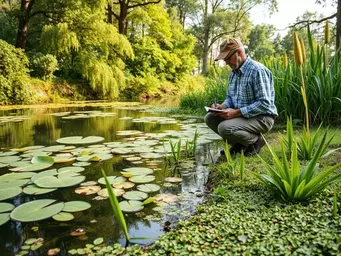
Have you ever glanced at your pond and wondered what unseen challenges it faces? Understanding aquat
Evaluating Your Aquatic Weed Strategy
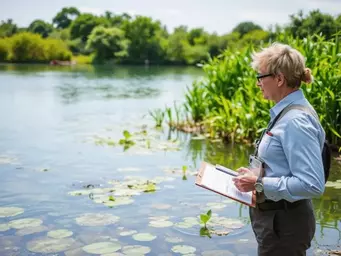
As we delve into the complexities of aquatic weed management, consider this: effective strategies hi
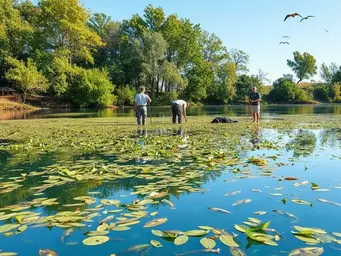
Aquatic Weed Control Methods Explained
Identify Aquatic Weeds Effectively
Evaluating Your Aquatic Weed Strategy
Restoring Ecosystems After Aquatic Weeds
Choosing Aquatic Weed Control Services