
Fisheries & Public Welfare
- Reduced fish populations
- Loss of local fishing economies
- Impact on recreational fishing
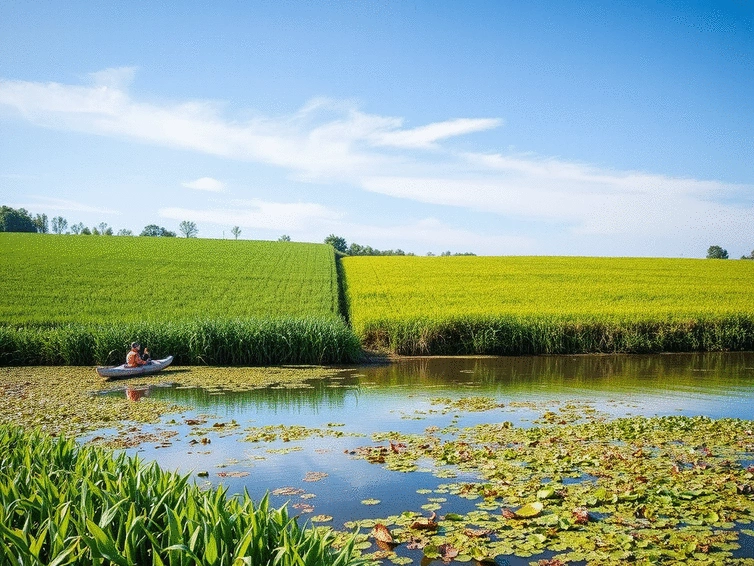
Have you ever considered how the plants growing in our lakes and rivers might affect local economies? The impacts of aquatic weeds extend beyond ecological concerns, influencing fisheries, agriculture, and tourism. Understanding these connections can empower us to take action for healthier waterways.
Aquatic weeds pose significant economic burdens across various sectors, impacting livelihoods and ecosystems alike. The visual below highlights the primary areas affected by their proliferation.
As we dive deeper into the world of aquatic ecosystems, it's crucial to understand the economic consequences of aquatic weeds. These invasive species not only disrupt the balance of our waterways but also impact various sectors significantly. By identifying and managing these weeds effectively, we can mitigate their economic burdens and foster healthier aquatic environments.
At Aquatic Weed Solutions, I believe that knowledge is power. Understanding the extent of aquatic weeds' impact can lead to better management strategies and, ultimately, more sustainable ecosystems.
Aquatic weeds are plants that grow in water bodies and can cause significant problems when they become invasive. These weeds can outcompete native species, disrupt habitats, and lead to reduced biodiversity. More importantly, they can affect water quality and recreational activities, making it essential for landowners and managers to recognize them.
Some common examples of aquatic weeds include hydrilla, water hyacinth, and Eurasian watermilfoil. By understanding how these plants operate, we can better address their management and control.
These factors illustrate why effective management of aquatic weeds is not just an environmental concern but also an economic necessity. By prioritizing ecosystem health, we can protect our economic interests.
Neglecting to manage aquatic weeds can lead to dire consequences for public welfare and fisheries. When waterways become overrun by invasive plants, fish populations decline, which can lead to economic losses for local fishing communities. As an ecologist, I’ve seen firsthand how these impacts can ripple through economies; it’s not merely about the fish but also the livelihoods dependent on them. The U.S. Fish and Wildlife Service highlights how the Aquatic Invasive Species Program benefits communities by combating these threats, supporting efforts to maintain healthy aquatic ecosystems for both wildlife and human well-being.
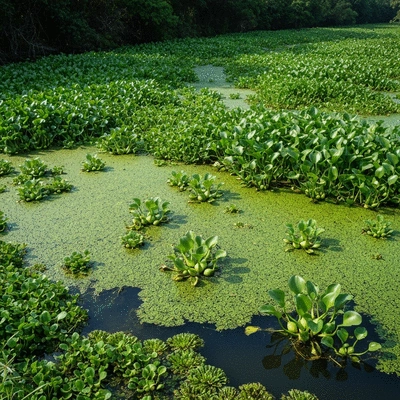
Moreover, recreational fishing can be severely impacted, affecting families and businesses that thrive on tourism. We must recognize that the health of our aquatic ecosystems directly correlates with the well-being of our communities.
Aquatic weeds can severely disrupt irrigation systems, leading to significant economic losses for farmers. When weeds obstruct water flow, they can lead to reduced crop yields and increased management costs. As an environmental educator, I often stress that understanding these impacts is vital for farmers to make informed decisions about their land management practices.
The costs associated with these disruptions can add up, making it imperative for landowners to adopt effective weed management strategies. By addressing these challenges head-on, we can help protect agricultural viability.
Tourism is another sector that suffers when aquatic weeds dominate waterways. Navigational obstructions caused by dense weed growth can deter boaters, kayakers, and anglers. As someone passionate about aquatic ecosystems, I understand how vital these recreational opportunities are to local economies.
Areas known for their natural beauty and recreational activities can see substantial decreases in visitors when aquatic weeds take over. This decline not only affects businesses reliant on tourism but also local employment opportunities. The economic and social impacts of invasive species are far-reaching, affecting tourism, recreation, and the overall quality of life in affected regions.
The presence of aquatic weeds can negatively influence local economies and even property values. Homeowners next to infested waterways may see their property values decrease due to the unsightly appearance and associated health risks of these weeds. By maintaining healthy waters, we can preserve not only economic value but also enhance the beauty of our landscapes.
Ultimately, it's clear that the economic consequences of aquatic weeds extend far beyond the water's edge. As we work to educate communities about these impacts, we can foster a shared commitment to maintaining the health of our aquatic ecosystems.
Did you know? Implementing integrated weed management strategies can drastically reduce the economic impacts of aquatic weeds. Combining mechanical, chemical, and biological control methods not only enhances effectiveness but also promotes ecological balance, ensuring that native species thrive alongside controlled weed populations.
As we wrap up our exploration of the economic consequences of aquatic weeds, it’s clear that these invasive plants have far-reaching implications. Not only do they disrupt our ecosystems, but they also threaten economic viability across various sectors. Understanding the hidden costs associated with aquatic weeds is essential for fostering healthier water habitats and supporting local economies.
When we think about the balance between ecosystem health and economic viability, it’s crucial to recognize how intertwined these concepts are. Aquatic weeds can suppress biodiversity, which in turn affects water quality and, ultimately, human health. By acknowledging these connections, we can better advocate for solutions that benefit both our natural and economic environments. The Texas Parks and Wildlife Department provides valuable information on aquatic invasive species and their devastating impact on ecosystems and economies.
To truly grasp the impact of aquatic weeds, we must evaluate their broader implications for biodiversity and water quality. Here are some key considerations:
As an ecologist, I often emphasize that preserving biodiversity is not just an environmental issue; it’s an economic one, too! Healthy ecosystems provide vital services that support fisheries, tourism, and even agricultural productivity.
Aquatic weeds can significantly alter the habitat dynamics within freshwater systems, leading to decreased fish populations and poor water quality. This is where our actions, or inactions, can have lasting effects. The interdependence of species within aquatic ecosystems underscores the need for comprehensive management strategies.
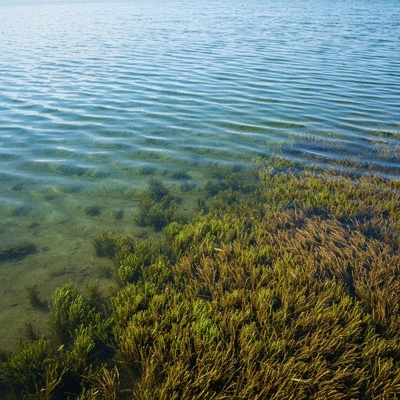
As we consider the relationships between aquatic weeds and their economic impacts, it's essential to remember the long-term consequences of nutrient pollution. For example, excess nutrients can fuel weed growth, creating a cycle that becomes increasingly difficult to manage.
Nutrient pollution is often a catalyst for the proliferation of aquatic weeds. Here are some key points to consider:
As I work with landowners and waterway managers through Aquatic Weed Solutions, I’ve seen firsthand how tackling nutrient pollution can lead to healthier water bodies. By taking proactive measures, we can help mitigate the economic burdens caused by invasive species.
Now that we’ve uncovered the hidden economic costs of aquatic weeds, it's time to shift focus to action. Engaging stakeholders across various sectors is vital for developing sustainable solutions that benefit both the environment and the economy.
Collaboration is key! To effectively manage aquatic weeds, we must encourage dialogue among agricultural, tourism, and environmental sectors. Here are some collaborative efforts that can lead to success:
By fostering partnerships, we can leverage the strengths of each sector to create more effective strategies for managing aquatic weeds. Together, we can ensure that our waterways are not only functional but also thriving.
Policymakers and community leaders play a crucial role in shaping the future of aquatic weed management. Here are some next steps to consider:
Investing in research is essential for understanding the complexities of aquatic ecosystems. Establishing a framework for ongoing studies will help identify new management strategies and assess their economic viability.
Encouraging innovative policies can lead to better resource allocation for aquatic weed control. By exploring new approaches, we can enhance the effectiveness of our management efforts while promoting sustainability.
At Aquatic Weed Solutions, I’m committed to empowering communities with the knowledge and tools they need to tackle aquatic weed challenges. Let’s work together to create a future where our waterways remain healthy and vibrant!
Here is a quick recap of the important points discussed in the article:
Aquatic Weed Control Methods Explained
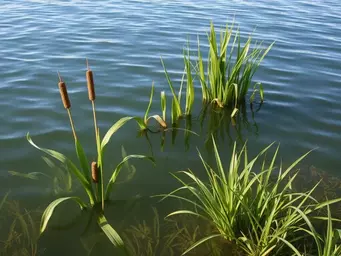
As we dive into the world of aquatic weeds, have you ever wondered what lurks beneath the surface of
Identify Aquatic Weeds Effectively
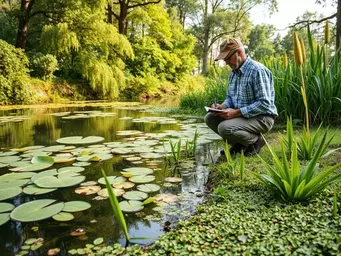
Have you ever glanced at your pond and wondered what unseen challenges it faces? Understanding aquat
Evaluating Your Aquatic Weed Strategy
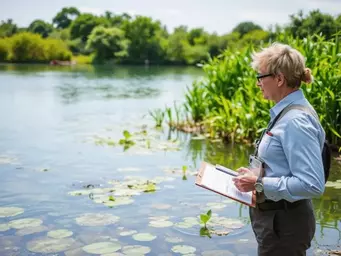
As we delve into the complexities of aquatic weed management, consider this: effective strategies hi
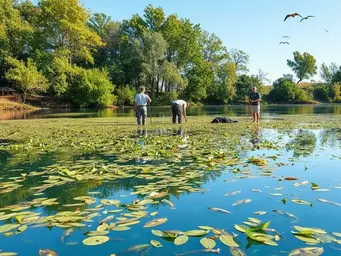
Aquatic Weed Control Methods Explained
Identify Aquatic Weeds Effectively
Evaluating Your Aquatic Weed Strategy
Restoring Ecosystems After Aquatic Weeds
Choosing Aquatic Weed Control Services