
Optimal Timing for Winter Drawdowns
Nov - Mar
For Maximum Weed Suppression
Winter drawdowns are highly effective in these months.
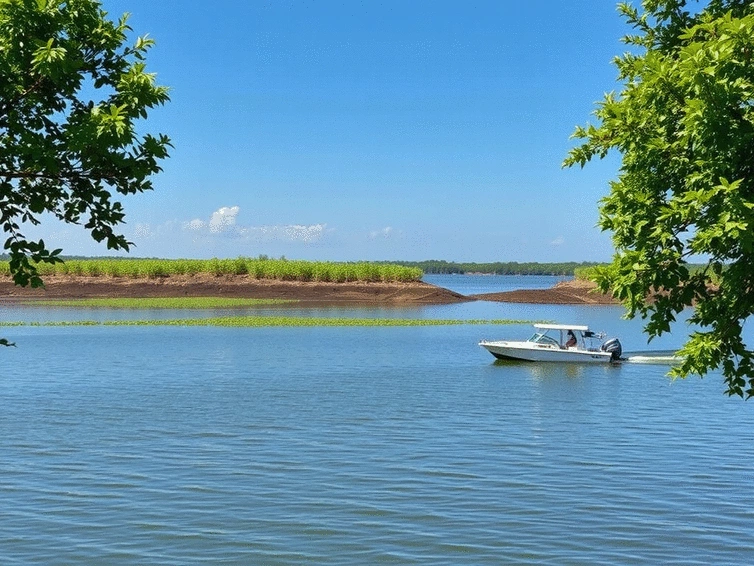
As we navigate the intricate world of aquatic ecosystems, the alarming rate at which invasive weeds can disrupt our beloved ponds and lakes is a reality we can no longer ignore. Recognizing and managing these challenges is essential not only for the aesthetics of our waters but for the health of the entire ecosystem.
Effective management of aquatic weeds significantly benefits ecosystem health. The timing and methods chosen for seasonal strategies are crucial for successful control and restoration of aquatic habitats.
Nov - Mar
For Maximum Weed Suppression
Winter drawdowns are highly effective in these months.
↓ Eutrophication
Prevents Algal Blooms
↑ Water Clarity
Enhances overall water quality and ecosystem health.
1 + 1 = 3
Drawdowns + Nutrient Control
Bolsters overall effectiveness for superior results.
Crucial for long-term ecosystem health management.
As we dive into the intricate world of aquatic ecosystems, it becomes clear that aquatic weeds often pose a significant challenge for ponds and lakes. These invasive plants can quickly take over, disrupting the delicate balance that supports both flora and fauna. In my years of working with landowners, I've seen firsthand how these weeds can transform vibrant habitats into overgrown, unhealthy bodies of water.
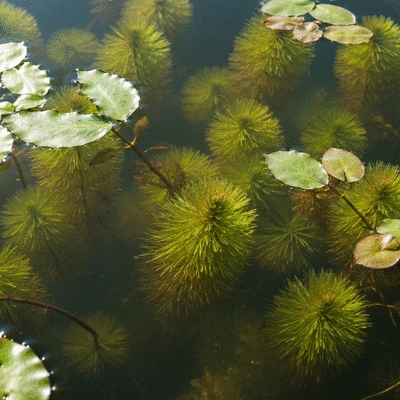
Identifying the specific types of aquatic weeds in your area is crucial. Each species has unique characteristics and impacts, making it essential for effective management. By understanding what lurks below the surface, you empower yourself to take action!
Recognizing the common aquatic weeds is the first step toward managing them effectively. Some of the most notorious species include:
These weeds not only disrupt recreational activities but also harm aquatic animals by altering their habitats. For instance, they can lead to reduced oxygen levels, which can result in fish kills. It’s staggering how something so seemingly innocuous can wreak such havoc in our beloved water bodies!
Invasive species play a pivotal role in the disruption of aquatic ecosystems. They outcompete native plants for nutrients and sunlight, leading to a decline in biodiversity. This shift can create a cascade of negative effects, impacting everything from the food web to water quality. For a comprehensive overview of invasive aquatic plant management, the Washington State Department of Ecology provides valuable resources.
When we allow these invasive weeds to thrive, we inadvertently support ecological imbalance. In my experience, engaging with local communities to raise awareness about these species is vital for restoration efforts. Together, we can foster a more sustainable environment!
Effective management of aquatic weeds is not just about aesthetics; it's about preserving ecosystem health. Healthy waterways support diverse wildlife, provide recreational opportunities, and contribute to local economies. By taking action against weeds, we are also protecting the interconnectedness of aquatic life. The Annual Report from the California Division of Boating and Waterways highlights ongoing efforts and the importance of aquatic invasive plant control.
As stewards of our environment, we must recognize the importance of combating these invasive plants. It’s our responsibility to ensure that our lakes and ponds remain vibrant and healthy for future generations. Together, we can tackle this challenge and restore the natural beauty of our aquatic ecosystems!
Have you encountered aquatic weeds in your local ponds or lakes? We want to hear from you! Share your experiences and thoughts on managing these invasive plants:
As we wrap up our discussion on aquatic weed management, it's vital to understand how seasonal strategies can significantly influence the effectiveness of our control methods. Time is of the essence in managing these invasive species, and selecting the right method at the right time can make a world of difference! By implementing seasonal strategies like drawdowns and nutrient control, we empower ourselves to reclaim our aquatic habitats and foster healthier ecosystems.
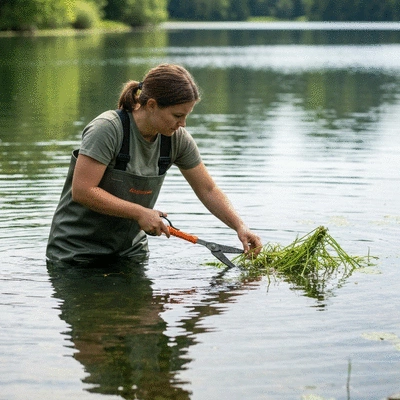
Here are some key takeaways regarding the timing and method selection for seasonal strategies:
With these strategies in mind, it's clear that thoughtful planning and execution can lead to successful aquatic weed management. Remember, every pond or lake is unique, so tailoring these strategies to your specific ecosystem is essential!
It’s time to take action! As landowners and managers, you hold the keys to maintaining healthy aquatic environments. Begin by assessing your current weed situations and considering how seasonal strategies can be implemented effectively. Here are some next steps you can take:
By taking these steps, you not only contribute to the ecological health of your waterway but also inspire others to join in the effort to protect our natural resources!
Learning is an ongoing journey, especially when it comes to managing aquatic weeds. At Aquatic Weed Solutions, we provide various resources designed to help you deepen your understanding and refine your management strategies. Consider tapping into the following:
These resources can empower you with the knowledge necessary to tackle aquatic weed challenges effectively. Knowledge truly is power when managing our ecosystems!
Finally, establishing a monitoring program is crucial for the ongoing health of your aquatic ecosystem. Regular monitoring allows you to track changes in weed populations, assess the effectiveness of your strategies, and make informed decisions moving forward. Here are some key components of an effective monitoring program:
By committing to a robust monitoring program, you’ll be better equipped to adapt your management practices to shifting conditions, ensuring the long-term health of your aquatic habitats. Together, we can nurture and protect our precious waterways for future generations!
Here is a quick recap of the important points discussed in the article:
Aquatic Weed Control Methods Explained
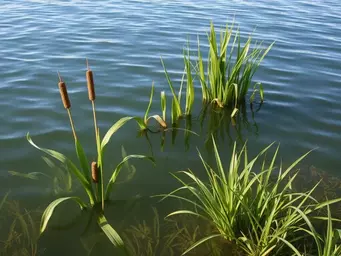
As we dive into the world of aquatic weeds, have you ever wondered what lurks beneath the surface of
Identify Aquatic Weeds Effectively
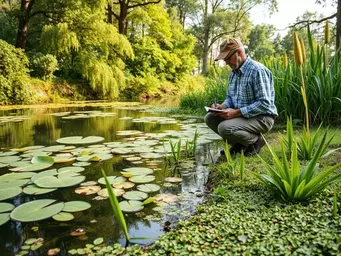
Have you ever glanced at your pond and wondered what unseen challenges it faces? Understanding aquat
Evaluating Your Aquatic Weed Strategy
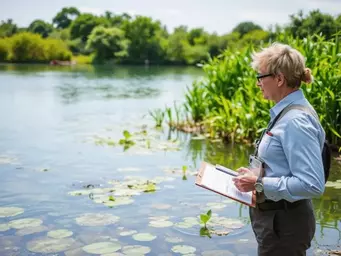
As we delve into the complexities of aquatic weed management, consider this: effective strategies hi
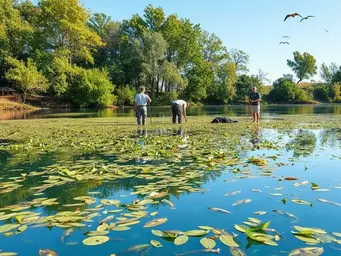
Aquatic Weed Control Methods Explained
Identify Aquatic Weeds Effectively
Evaluating Your Aquatic Weed Strategy
Restoring Ecosystems After Aquatic Weeds
Choosing Aquatic Weed Control Services