
STAGE 1
Understanding Invasive Aquatic Weeds
Non-native plants that spread rapidly, disrupting local ecosystems. Key traits include fast growth, quick reproduction, and resistance to local pests.
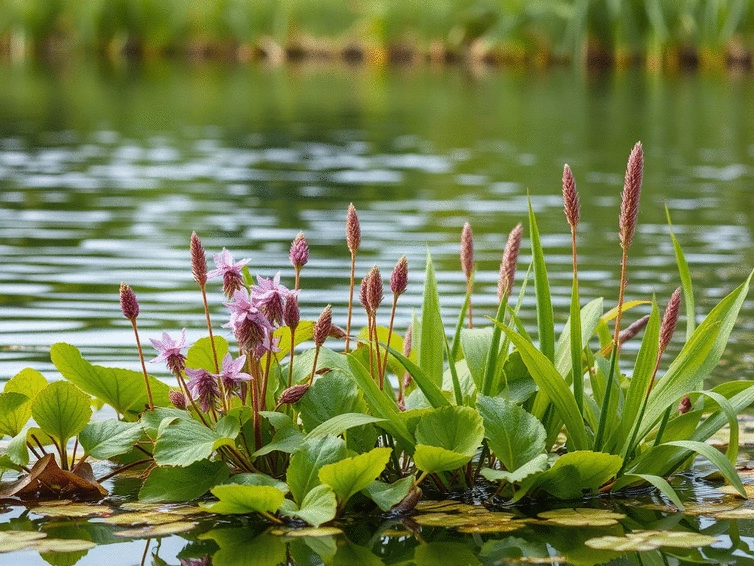
As aquatic ecosystems face increasing pressures from invasive species, understanding their characteristics and impacts has never been more crucial. By exploring the intricacies of invasive aquatic weeds, we can equip ourselves with the knowledge to foster healthier waterways.
Effective management of invasive aquatic weeds involves a multi-faceted approach, from understanding their characteristics to implementing sustainable long-term strategies. The visual below highlights the critical stages and considerations.
Non-native plants that spread rapidly, disrupting local ecosystems. Key traits include fast growth, quick reproduction, and resistance to local pests.
Proactive, long-term approach combining various strategies tailored to specific water bodies for effective control and prevention.
Have you ever taken a stroll by your favorite lake or pond and noticed some unfamiliar greenery? Those are likely invasive aquatic weeds, and they can have a significant impact on our precious ecosystems! Understanding what defines these weeds is the first step toward effective management and restoration.
Invasive aquatic weeds are non-native plants that spread rapidly in water bodies, disrupting the local ecosystem. These species often outcompete native flora for resources, leading to a decline in biodiversity. They might originate from other countries or even different regions, but their common trait is a tendency to flourish unchecked in their new environments. For more detailed information on surveillance best practices, refer to resources like the Great Lakes Commission's Invasive Aquatic Plant Surveillance Best Practices Guide.
Recognizing these characteristics is crucial for landowners and waterway managers. By identifying invasive species early, we can implement necessary control measures before they wreak havoc on aquatic ecosystems.
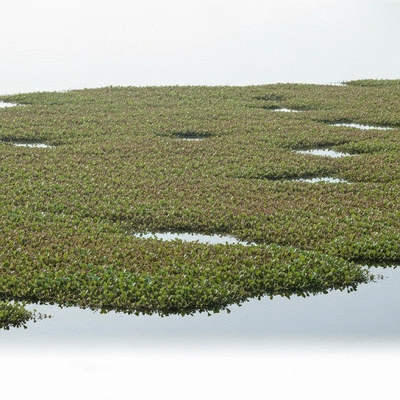
Identifying invasive species is essential for effective lake and pond management. When we know what plants to look for, we can take timely action to control their spread. This not only protects native species but also enhances the overall health of our waterways. The Washington State Department of Ecology provides guidance on managing aquatic plants, emphasizing the importance of early detection.
As someone who has worked alongside landowners and ecologists, I can attest to the importance of having a solid identification strategy. It empowers us to take proactive measures, ensuring our water bodies remain vibrant and balanced.
The impact of invasive aquatic weeds on ecosystems can be profound. They often create dense mats that block sunlight, limiting photosynthesis for underwater plants. This not only affects plant life but also disrupts the entire food web, from fish to birds. For insights into monitoring and control, the Montana Fish, Wildlife & Parks' early detection and monitoring reports highlight ongoing efforts and their significance.
By understanding these impacts, we can take informed actions to manage invasive species effectively. Together, we can restore balance to our aquatic ecosystems and maintain the beauty and health of our cherished lakes and ponds.
Have you encountered invasive aquatic weeds in your local waterways? Share your thoughts with us:
Implementing sustainable aquatic weed management requires a proactive approach that focuses on long-term solutions. As someone who has spent years working with landowners and ecologists, I can tell you that the best results come from combining various strategies and adapting them to the specific conditions of each water body.
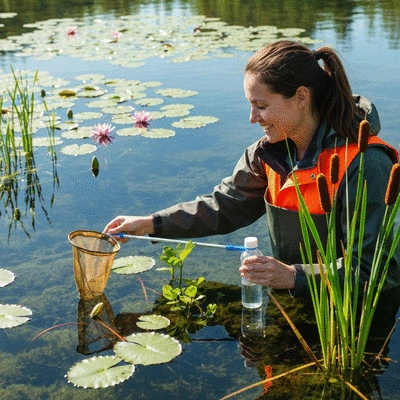
One essential aspect of this process is establishing effective monitoring protocols after control measures have been implemented. This ensures that any resurgence of invasive species is caught early, allowing for timely intervention. Here are some key considerations for monitoring:
By keeping a close eye on your aquatic environment, you can foster healthier ecosystems and minimize future challenges related to invasive weeds.
After successfully managing invasive species, it’s critical to follow up with a structured monitoring plan. This allows you to evaluate the effectiveness of your control methods and make adjustments as necessary.
By establishing a robust monitoring protocol, you can ensure that your efforts lead to sustainable outcomes that benefit both the ecosystem and the community.
Understanding the economic and environmental impacts of your chosen management techniques is vital for sustainable aquatic weed control. As I’ve seen in my work with Aquatic Weed Solutions, weighing the costs against the benefits can guide effective decision-making.
By conducting a thorough cost-benefit analysis, you can implement strategies that not only address current infestations but also pave the way for healthier aquatic ecosystems in the long run.
Here is a quick recap of the important points discussed in the article:
Aquatic Weed Control Methods Explained
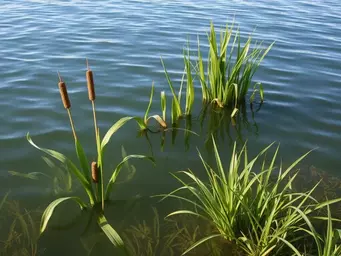
As we dive into the world of aquatic weeds, have you ever wondered what lurks beneath the surface of
Identify Aquatic Weeds Effectively
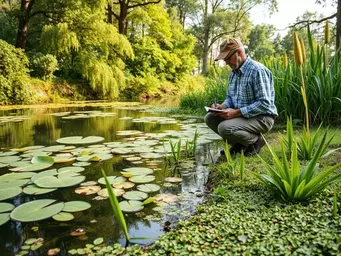
Have you ever glanced at your pond and wondered what unseen challenges it faces? Understanding aquat
Evaluating Your Aquatic Weed Strategy
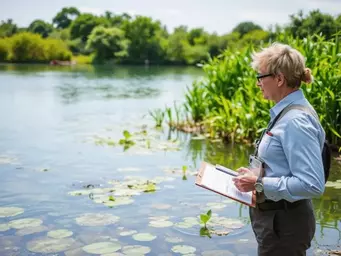
As we delve into the complexities of aquatic weed management, consider this: effective strategies hi
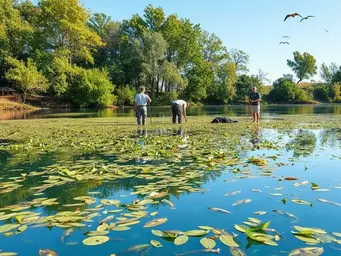
Aquatic Weed Control Methods Explained
Identify Aquatic Weeds Effectively
Evaluating Your Aquatic Weed Strategy
Restoring Ecosystems After Aquatic Weeds
Choosing Aquatic Weed Control Services