
Common Causes of Aquatic Weed Growth
- Nutrient Overload: Excess fertilizers and runoff.
- Stagnant Water: Little water movement.
- Climate Conditions: Warmer temperatures accelerate growth.
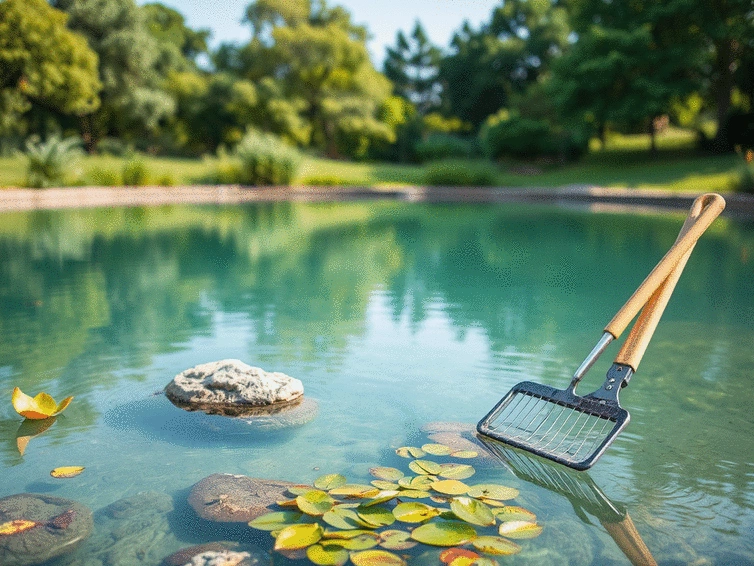
As we explore the complexities of aquatic ecosystems, understanding the significance of managing invasive species becomes paramount. These unwanted plants can drastically affect not just the beauty of our ponds, but also the health of the entire ecosystem. What crucial insights can we glean about maintaining a balanced aquatic habitat?
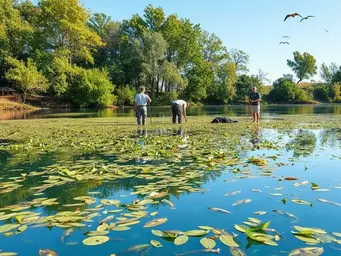
A visual overview of the factors influencing aquatic weed growth, key invasive species, and sustainable management practices for healthy ponds.
When we talk about aquatic weeds, we're discussing the invasive plants that can dramatically alter the balance of our pond ecosystems. These species not only grow rapidly but can also choke out native plants, block sunlight, and disrupt the natural habitat for fish and other wildlife. Understanding the impact of aquatic weeds is crucial for anyone who manages a pond, as it helps us recognize the importance of effective management strategies.
The consequences of aquatic weed infestation can be serious. They can lead to limited recreational opportunities, reduced water quality, and even economic impacts on property values. By gaining insight into what these weeds are and the challenges they pose, we set the stage for effective management and restoration of our ponds.
Aquatic weeds are generally defined as plants that grow in water and can become problematic when they spread uncontrollably. Common examples include hydrilla, water hyacinth, and duckweed. These plants can outcompete native vegetation, leading to decreased biodiversity and altered food webs. The Washington State Department of Ecology provides detailed information on aquatic plant identification and management.
Understanding these impacts helps us recognize why it's essential to actively manage aquatic weeds. The earlier we identify a problem, the easier it is to implement solutions that restore balance to our waters.
Several factors contribute to the proliferation of aquatic weeds in ponds. Nutrient runoff, lack of water circulation, and warm temperatures all create an environment where these invasive species can thrive. As I work alongside landowners and managers, I've seen firsthand how these elements can combine to lead to infestation.
By recognizing these causes, we can take proactive steps to mitigate the likelihood of infestations, fostering healthier ecosystems for everyone involved.
Identifying the specific invasive species in your pond is key to effective management. Each type of aquatic weed poses unique challenges and requires tailored approaches for control. For comprehensive guidance on control projects for various aquatic invasive species, the New York State Department of Environmental Conservation offers valuable insights. At Aquatic Weed Solutions, we've developed resources to help in identifying these species and understanding their effects.
By correctly identifying these species, you can make informed decisions about management strategies. It’s not just about removal; it’s about restoring the ecological balance of your pond, ensuring a thriving habitat for all aquatic inhabitants.
Have you noticed any invasive aquatic weeds in your pond? What steps have you taken to manage or remove them? Share your experiences and tips with us below:
Building a sustainable pond ecosystem requires thoughtful consideration and a commitment to long-term planning. As someone deeply invested in aquatic ecosystems, I can attest to the importance of adapting management practices over time. By integrating adaptive management strategies, we can ensure that our ponds not only flourish today but continue to thrive for generations to come.
It starts with understanding the unique characteristics of your pond. Every water body is different, affected by various environmental factors. Thus, a customized approach to sustainable practices is crucial. This involves regularly assessing the health of your ecosystem and adjusting your management techniques accordingly.
Long-term planning is vital when it comes to creating and maintaining a healthy pond ecosystem. Here are some key components to consider:
By staying proactive, you can effectively manage your pond's health and prevent issues before they escalate. Remember, even the smallest changes in your pond can have ripple effects throughout the ecosystem!
Seasonal maintenance plays a critical role in the health of your pond ecosystem. As the seasons change, so do the needs of your aquatic habitat. Here’s a quick guide to seasonal tasks:
These seasonal tasks not only help maintain your pond's aesthetic appeal but also foster a balanced ecosystem. Regular maintenance ensures you’re nurturing a healthy environment for both aquatic life and landowners alike!
As we step into the next phase of pond management, it’s crucial to recognize that taking action is about more than just maintenance—it's about stewardship. Protecting your pond is a responsibility I take seriously, and I encourage other landowners to do the same.
Before diving deeper into pond management, here are some final thoughts to keep in mind:
By taking these steps, you contribute to a collective effort in preserving our aquatic ecosystems.
Education is key to effective pond management! At Aquatic Weed Solutions, we offer a range of resources designed to empower landowners:
These resources are invaluable for anyone looking to enhance their understanding and practice of sustainable pond management.
Finally, engaging with your community can amplify the impact of your efforts. Consider participating in or organizing initiatives focused on pond conservation. Here are some ideas:
By fostering community involvement, we can collectively protect our precious water resources and promote sustainability in our local ecosystems. Together, we can make a difference in preserving our aquatic habitats for future generations!
Here is a quick recap of the important points discussed in the article:
Aquatic weeds are plants that grow in water and can become invasive, spreading uncontrollably. They are problematic because they can outcompete native vegetation, reduce biodiversity, lower oxygen levels in water, and negatively impact water quality and recreational opportunities.
The primary causes of aquatic weed growth include nutrient overload from excess fertilizers and runoff, stagnant water with little movement, and warmer climate conditions that accelerate plant growth rates.
Key invasive species include Hydrilla (forms dense mats), Water Hyacinth (covers large areas rapidly), and Common Duckweed (blankets the surface, blocking sunlight). Correct identification is crucial for selecting appropriate management strategies.
Long-term planning involves setting clear goals for your pond (e.g., recreational, wildlife habitat), conducting regular assessments of water quality and plant health, and maintaining flexibility to adapt management strategies based on environmental conditions and assessment findings.
Seasonal tasks include: inspecting and removing debris in spring; maintaining vegetation and considering shading in summer; preparing for winter by removing excess nutrients and leaves in fall; and assessing ice cover and ensuring wildlife access in winter.
Landowners can find resources through organizations like Aquatic Weed Solutions, which offer illustrated guides, workshops, webinars, and online communities. Engaging with ecologists and networking with other landowners are also beneficial.
Aquatic Weed Control Methods Explained
As we dive into the world of aquatic weeds, have you ever wondered what lurks beneath the surface of
Identify Aquatic Weeds Effectively
Have you ever glanced at your pond and wondered what unseen challenges it faces? Understanding aquat
Evaluating Your Aquatic Weed Strategy
As we delve into the complexities of aquatic weed management, consider this: effective strategies hi
Aquatic Weed Control Methods Explained
Identify Aquatic Weeds Effectively
Evaluating Your Aquatic Weed Strategy
Restoring Ecosystems After Aquatic Weeds
Choosing Aquatic Weed Control Services