
Environmental Impact of Invasive Aquatic Plants
- ✓ Rapid growth, blocking sunlight (Hydrilla)
- ✓ Impedes navigation, reduces oxygen (Water Hyacinth)
- ✓ Displaces native plants & wildlife (Purple Loosestrife)
- ✓ Decline in biodiversity
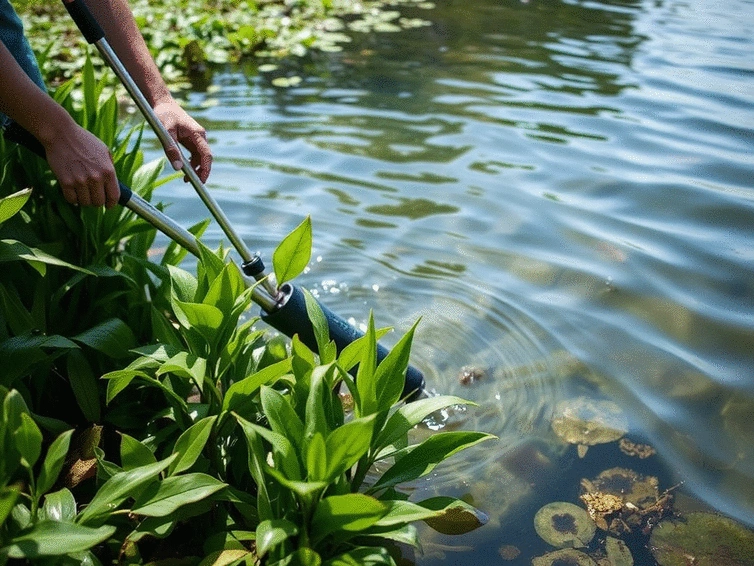
As we navigate the complexities of aquatic weed management, understanding the balance between effective control and ecological health is critical. Ready to delve into the essential insights that can guide your approach?
This visual compares the environmental impacts of different aquatic weed control methods, focusing on the risks and benefits associated with each approach.
As we delve into the world of aquatic weed control, it's crucial to understand the environmental impact of our actions. From the role that aquatic weeds play in ecosystems to the potential risks of certain control methods, our approach to managing these plants can have far-reaching effects. Here at Aquatic Weed Solutions, we emphasize the importance of informed decision-making in order to preserve the delicate balance of our aquatic environments.
One of my favorite aspects of working with aquatic systems is witnessing how each component, including weeds, fits into the larger ecological puzzle. By recognizing the complex relationships at play, we can adopt better management strategies that promote sustainability.
Aquatic weeds are often misunderstood. While many view them as nuisances, these plants can actually play significant roles within their ecosystems. Healthy aquatic plant life contributes to the stabilization of sediments and provides habitat for various aquatic organisms. It's essential to appreciate their value in maintaining ecosystem health.
The presence of aquatic plants can enhance biodiversity and contribute to the overall health of water bodies. However, when invasive species take over, the impact can be detrimental. Understanding the distinction between native and invasive aquatic weeds is crucial for effective management. For more information on ongoing research, you can refer to USDA's aquatic weed research projects.
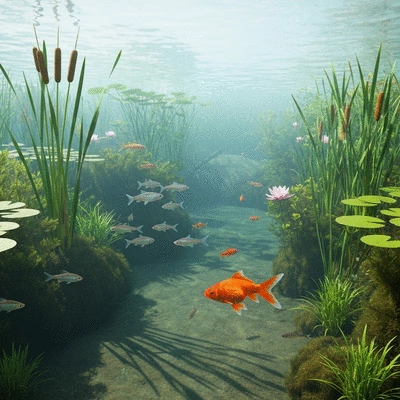
Healthy aquatic plant life serves as the foundation for vibrant ecosystems. It not only provides shelter for young fish but also supports the food chain. Without these plants, we risk losing essential biodiversity. It's fascinating to observe how various species interact with one another, forming a web of life that relies on each other for survival.
In my work, I've seen firsthand how maintaining a balanced aquatic ecosystem can lead to increased fish populations and improved water quality. Investing in the health of our aquatic plants is investing in the overall health of our waterways!
Invasive aquatic plants like hydrilla, water hyacinth, and purple loosestrife can wreak havoc on local ecosystems. These species often outcompete native plants for resources, leading to a decline in biodiversity. Moreover, they can choke waterways, reduce recreational access, and even alter water chemistry.
It's essential to monitor these invasive species closely and take action before their spread becomes unmanageable. As an advocate for ecological balance, I always encourage landowners and managers to stay vigilant in their waterways. For insights into regional efforts, the Delta Region Areawide Aquatic Weed Project offers valuable information on managing these challenges.
Despite the challenges posed by invasive species, we must not overlook the beneficial ecosystem services provided by aquatic weeds. They support biodiversity, improve water quality, and even offer recreational opportunities. It's vital to recognize that not all aquatic plants are harmful; many play a key role in the health of our ecosystems.
Ultimately, our goal at Aquatic Weed Solutions is to educate and empower individuals and communities to understand these dynamics. By fostering an appreciation for aquatic ecosystems, we can work together to protect and restore them for future generations!
While chemical control methods can be effective for managing invasive aquatic weeds, they come with significant risks. It's important to consider these implications before implementing such strategies. As much as we want to control unwanted plants, we must also prioritize the health of the entire ecosystem.
Understanding the risks associated with chemical treatments is crucial. While it may seem like a quick fix, the potential for negative impacts on the environment can outweigh the benefits. The Aquatic Weed Control Program provides further details on regulated programs and best practices.
Herbicide pollution can have lasting effects on water quality and wildlife health. When these chemicals enter aquatic systems, they can harm not only target plants but also beneficial organisms. It's a complex issue that requires careful consideration and management.
I've often encountered situations where the short-term success of chemical treatments led to long-term degradation of the ecosystem. This is something we strive to avoid at Aquatic Weed Solutions by promoting more sustainable practices.
The use of chemical treatments can drastically affect oxygen levels in water bodies. As weeds die off, they can decompose and consume large amounts of dissolved oxygen, which is essential for fish and other aquatic life. Consequently, this can lead to fish kills and a decline in biodiversity.
Protecting our waterway inhabitants is a priority for me, and I encourage others to consider this impact when choosing their management methods.
Chemical control methods can also contribute to algal blooms, which are harmful to ecosystems. These blooms can block sunlight, reduce oxygen levels, and release toxins that can be detrimental to aquatic life. The ripple effects of such blooms can disrupt the entire ecosystem.
As I engage with landowners and managers, I often stress the need for comprehensive strategies that address not only weed control but also the health of the ecosystem.
Nutrient pollution, often exacerbated by chemical treatments, can lead to eutrophication, a process that depletes oxygen in water bodies and contributes to harmful algal blooms. It's vital to recognize how nutrient loading can impact aquatic ecosystems, creating an imbalance that further complicates management efforts.
Through education and awareness, we can work towards more sustainable management practices that benefit both aquatic weeds and the ecosystems we cherish. That’s our mission at Aquatic Weed Solutions – to empower individuals and communities with the knowledge needed for effective and responsible aquatic ecosystem management.
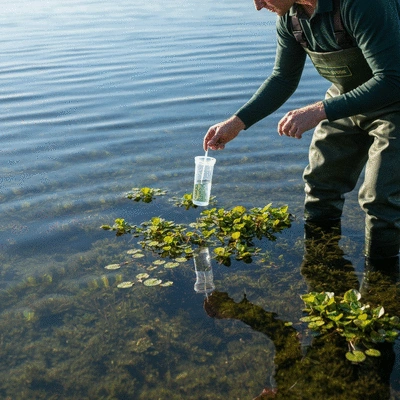
Did you know that incorporating native aquatic plants into your management strategy can help suppress invasive species? Native plants are better adapted to local conditions and can outcompete invasives for resources, promoting a healthier ecosystem. Consider planting native species in areas where invasive weeds are prevalent to enhance biodiversity and stabilize the ecosystem!
As we delve deeper into sustainable aquatic weed management, it's crucial to summarize the key findings that guide our practices. Striking a critical balance between effective control measures and maintaining ecosystem health is essential for the longevity of our waterways. Every action we take to manage aquatic weeds should be informed by a commitment to preserving our delicate aquatic environments.
It’s important to recognize that our choices in weed control directly impact the overall health of the ecosystem. We must prioritize strategies that enhance biodiversity while reducing harmful effects on native plant life. The following points highlight the core aspects of sustainable management:
Community involvement and education are pivotal in this journey. By fostering a culture of stewardship, we can ensure that everyone—from landowners to ecologists—participates in the sustainable management of our waterways. At Aquatic Weed Solutions, we believe that knowledge is a powerful tool. Educating our communities about the importance of their roles can lead to more effective and environmentally friendly weed management practices.
As we navigate the complexities of aquatic weed management, engaging with professionals can provide invaluable insights and support. I encourage you to reach out to experts who specialize in sustainable practices to ensure the health of your aquatic ecosystems. Together, we can work to implement the most effective and responsible methods for maintaining our waterways.
When you contact us at Aquatic Weed Solutions, you’ll have access to a wealth of resources, including:
For expert consultation and support, don’t hesitate to get in touch! You can reach me, Clara Merritt, at [email protected] or visit our website for more information. Together, we can cultivate healthier, thriving aquatic ecosystems!
Here is a quick recap of the important points discussed in the article:
Aquatic Weed Control Methods Explained
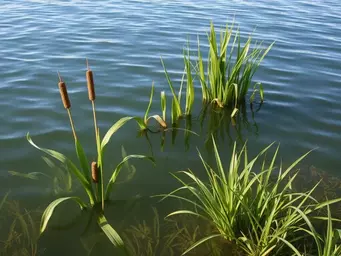
As we dive into the world of aquatic weeds, have you ever wondered what lurks beneath the surface of
Identify Aquatic Weeds Effectively
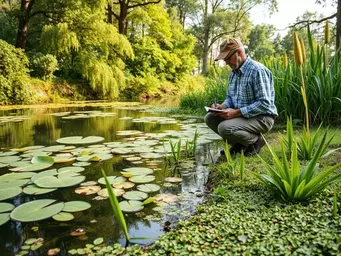
Have you ever glanced at your pond and wondered what unseen challenges it faces? Understanding aquat
Evaluating Your Aquatic Weed Strategy
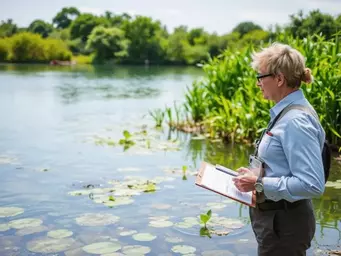
As we delve into the complexities of aquatic weed management, consider this: effective strategies hi
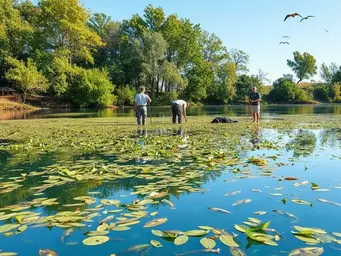
Aquatic Weed Control Methods Explained
Identify Aquatic Weeds Effectively
Evaluating Your Aquatic Weed Strategy
Restoring Ecosystems After Aquatic Weeds
Choosing Aquatic Weed Control Services