Welcome to Aquatic Weed Solutions. We offer expert insights and guides for identifying and managing aquatic weeds, fostering healthy water habitats. Explore and be inspired!
Have you ever considered the profound economic implications of invasive species on your local waterways? Aquatic weeds, often overlooked, can significantly impact both the environment and local economies. Understanding these effects is crucial for effective management.
What You Will Learn
Aquatic weeds impose an annual financial burden exceeding $100 million in management costs, including herbicide applications and maintenance.
Effective weed control can lead to long-term economic benefits, such as improved property values and enhanced recreational opportunities.
Different control methods, including mechanical, chemical, and biological, each have their own costs and effectiveness that must be evaluated.
Preventive strategies, like nutrient management and community engagement, are essential for sustainable aquatic weed management and can improve overall water quality.
Economic Impact & Control Methods of Aquatic Weeds
A visual comparison of key costs, benefits, and management strategies for aquatic weed control.
Annual Costs of Aquatic Weeds
Herbicide Expenditures: Exceeds $100 million annually.
Herbicide application costs
Mechanical removal expenses
Labor & equipment for ongoing management
Loss of recreational revenue
Significant financial burden on landowners & managers.
Effective but with environmental considerations for water quality.
Long-Term Benefits of Control
Reduced ongoing management costs
Improved property values
Enhanced recreational opportunities
Increased biodiversity
Investment in control yields substantial savings & ecological benefits.
Preventive Strategies
Nutrient management
Regular water quality monitoring
Buffer zones to limit runoff
Community awareness programs
Proactive approaches lead to long-term savings & healthier environments.
Understanding the Economic Impact of Aquatic Weeds on Waterbodies
Aquatic weeds are more than just a nuisance; they bring a significant financial burden to landowners and waterway managers alike. The annual costs associated with managing these invasive plants can exceed $100 million in herbicide expenditures alone, as highlighted by ongoing research into aquatic weed management. It's essential to recognize how these costs affect both local economies and the sustainability of our aquatic ecosystems.
Understanding the full economic impact of aquatic weeds can help us make informed decisions about management strategies. From lost property values to the expenses incurred in maintenance, the implications are far-reaching. By shedding light on these costs, we can better appreciate the urgent need for effective control measures.
Annual Costs and Management Expenses
The financial strain caused by aquatic weeds can be overwhelming. Here’s a breakdown of some key expenses:
Herbicide application costs
Mechanical removal expenses
Labor and equipment costs for ongoing management
Loss of recreational revenue due to restricted access
These costs underscore the necessity for effective management strategies. Investing in long-term solutions not only mitigates these expenses but also promotes healthier aquatic environments.
Long-Term Economic Benefits of Effective Weed Control
When we invest in effective aquatic weed control methods, the returns can be significant. Consider these potential benefits:
Reduction in ongoing management costs
Improvement in property values around waterbodies
Enhanced recreational opportunities
Increased biodiversity leading to more resilient ecosystems
By weighing these factors, landowners can see how investing in proper management techniques today can lead to substantial savings and ecological benefits in the future. As a passionate advocate for ecological balance, I’ve personally witnessed how even small investments can transform a waterway’s health over time.
Evaluating Different Aquatic Weed Control Methods
When it comes to managing aquatic weeds, understanding the various control methods available is crucial. The right choice can help mitigate costs and enhance the effectiveness of your management strategy.
Mechanical Control Options: Costs and Effectiveness
Mechanical control methods can be an effective approach for managing aquatic weeds. Options such as rotovators and rollers vary in cost, typically ranging from £15K to £35K per acre. Here are some common mechanical methods:
Rotovators for tilling weeds into the sediment
Rollers to flatten and disrupt growth
Harvesters for large infestations
These methods can be particularly effective in specific waterbody types. However, it's important to consider the unique conditions of your waterway before selecting a method.
Pros and Cons of Mechanical Methods
While mechanical controls offer several advantages, they also come with challenges. Here are some pros and cons to consider:
Pros:
Immediate results in reducing weed biomass
Less chemical input, safer for aquatic life
Cons:
Higher initial costs
Potential environmental disturbance during operation
Understanding these aspects will help you make an informed choice that aligns with your goals for a healthy waterway.
Chemical Herbicides: A Cost Analysis
Chemical herbicides are a common choice for managing aquatic weeds. Popular options, such as 2,4-D and glyphosate, can be effective but come with environmental considerations. It’s essential to evaluate the implications these chemicals may have on your water quality and surrounding ecosystems. For instance, the Walter F. George Annual Aquatic Pesticide Application Plan provides detailed information on herbicide use and environmental monitoring in specific areas.
Comparative Cost Breakdown of Herbicide Treatments
When considering chemical treatments, a cost breakdown is crucial:
Herbicide costs per acre
Application and labor costs
Potential costs associated with environmental monitoring
By understanding these costs, you can better assess the feasibility of herbicide use in your management strategy.
Biological Control Methods for Aquatic Weeds
Biological control methods are an exciting way to manage aquatic weeds sustainably. This approach involves introducing natural predators and pathogens that target specific invasive species. By fostering a balanced ecosystem, we can effectively reduce weed populations without harming other aquatic life.
Preventive Control Strategies for Sustainable Management
Preventive strategies are vital for sustainable aquatic weed management. Approaches such as nutrient management can significantly impact long-term weed control while promoting a healthier aquatic environment. Here are some strategies to consider:
Regular monitoring and assessment of water quality
Implementing buffer zones to limit nutrient runoff
Engaging in community awareness programs about waterway health
These non-chemical approaches can lead to long-term cost savings and environmental benefits.
Impact of Preventive Strategies on Water Quality
Implementing preventive strategies can significantly enhance water quality, reducing the need for reactive measures. Healthy waterways not only support diverse ecosystems but also provide recreational opportunities for the community. Remember, a proactive approach is always more effective than a reactive one!
Frequently Asked Questions
What are the primary economic impacts of aquatic weeds?
Aquatic weeds impose significant financial burdens, exceeding $100 million annually in management costs, including herbicide applications, mechanical removal, labor, equipment, and loss of recreational revenue.
How do effective weed control methods benefit local economies long-term?
Effective weed control leads to long-term economic benefits such as reduced ongoing management costs, improved property values around waterbodies, enhanced recreational opportunities, and increased biodiversity which contributes to more resilient ecosystems.
What are the main types of aquatic weed control methods discussed?
The article discusses mechanical control (e.g., rotovators, rollers, harvesters), chemical control (using herbicides like 2,4-D and glyphosate), and biological control (introducing natural predators/pathogens). Preventive strategies like nutrient management and water quality monitoring are also highlighted.
What are the pros and cons of mechanical aquatic weed control?
Mechanical control offers immediate results and reduces chemical input. However, it typically involves higher initial costs (ranging from £15K to £35K per acre) and can potentially cause environmental disturbance during operation.
Why are preventive strategies important for aquatic weed management?
Preventive strategies, such as nutrient management, regular water quality monitoring, buffer zones, and community engagement, are crucial for sustainable aquatic weed management. They help maintain healthier aquatic environments, reduce the need for reactive measures, and lead to long-term cost savings.
Where can I find more specific information on aquatic pesticide application plans?
For detailed information on specific herbicide use and environmental monitoring, you can refer to resources like the Walter F. George Annual Aquatic Pesticide Application Plan, which provides comprehensive details on such operations.
Interactive Poll: Your Experience Matters!
Have you encountered challenges in managing aquatic weeds? We’d love to hear your thoughts! Please take a moment to share your experience:
Summarizing the Path to Effective Aquatic Weed Control
As we wrap up our discussion on aquatic weed management, it’s crucial to understand the multifaceted approach required for effective control. Recognizing the economic impacts of aquatic weeds is essential, as they not only affect water quality but also impose significant financial burdens on landowners and managers. Evaluating the various control methods, from mechanical to chemical to biological options, allows us to make informed decisions that align with long-term sustainability goals. The 2024 Annual Report on Aquatic Invasive Plant Control further emphasizes the importance of comprehensive strategies.
In my experience, finding the right balance between cost and effectiveness often leads to better outcomes. The journey toward healthy waterways is continuous and requires us to stay informed about our options and their impacts on ecosystems.
Encouraging Action for Better Waterbody Management
Now that we’ve discussed the essential elements of aquatic weed management, I invite you to take the first step in assessing your waterbody's needs. It’s time to explore tailored solutions for effective aquatic weed control. Don’t hesitate to reach out for professional advice or consult our comprehensive resources at Aquatic Weed Solutions.
Next Steps for Waterbody Owners
Here are some actionable recommendations for those looking to tackle aquatic weeds effectively:
Conduct a thorough assessment of your waterbody to identify weed species and infestation levels.
Reach out to professionals who specialize in aquatic weed management for tailored guidance.
Utilize available resources, including illustrated guides and management strategies, to empower yourself and your community.
Taking these steps can significantly improve your approach to managing aquatic weeds and fostering a balanced ecosystem.
Engagement and Feedback Invitation
I encourage you to share your experiences with different aquatic weed control methods! Whether you’ve had success or faced challenges, your insights can help others in our community. Feel free to drop your thoughts in the comments below or connect with us through social media. Your feedback is invaluable in promoting best practices for aquatic management.
Community Involvement in Aquatic Habitat Restoration
Finally, let’s not forget the importance of community involvement in aquatic habitat restoration. Engaging local stakeholders—such as landowners, ecologists, and waterway managers—can amplify our efforts in combating aquatic weeds. Together, we can share knowledge, resources, and strategies, leading to healthier waterways for everyone.
By fostering collaboration and support, we can create a collective impact that encourages sustainable practices and the restoration of our precious aquatic ecosystems!
Recap of Key Points
Here is a quick recap of the important points discussed in the article:
Aquatic weeds pose significant economic burdens exceeding $100 million annually, affecting local economies and ecosystems.
Key management expenses include herbicide application, mechanical removal, and labor costs, emphasizing the need for effective strategies.
Investing in long-term weed control methods can reduce ongoing costs, improve property values, and enhance biodiversity.
Mechanical methods provide immediate results but may involve higher initial costs and environmental disturbances.
Chemical herbicides are common but require careful consideration of their impact on water quality.
Biological control methods and preventive strategies are vital for sustainable management and long-term ecological balance.
At Aquatic Weed Solutions, we are dedicated to informing landowners, ecologists, and waterway managers about aquatic weeds and their effective management. Our mission is to empower you with knowledge and tools to identify, manage, and restore balanced aquatic habitats.

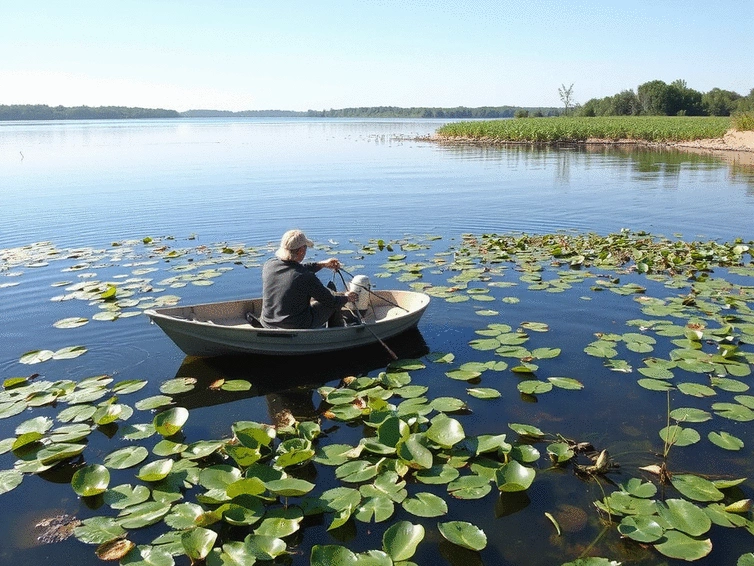
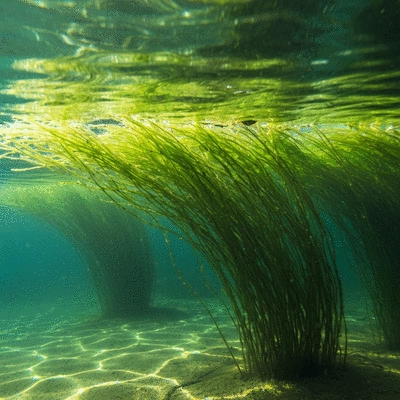

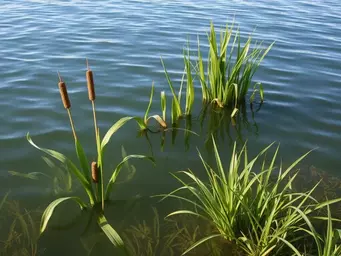

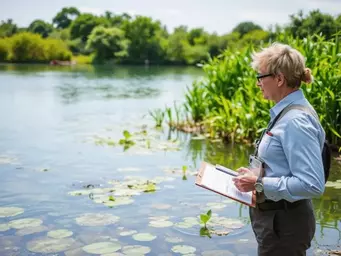
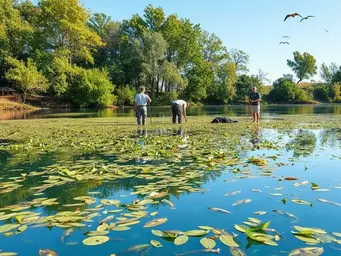
Aquatic Weed Control Methods Explained
Identify Aquatic Weeds Effectively
Evaluating Your Aquatic Weed Strategy
Restoring Ecosystems After Aquatic Weeds
Choosing Aquatic Weed Control Services