Welcome to Aquatic Weed Solutions. We offer expert insights and guides for identifying and managing aquatic weeds, fostering healthy water habitats. Explore and be inspired!
Have you ever taken a stroll by a lake and wondered what aquatic plants are thriving below the surface? Understanding the importance of aquatic weed identification can empower you to protect and restore our cherished water habitats.
What You Will Learn
Protecting Biodiversity: Native aquatic plants support local wildlife, providing essential food and habitat.
Maintaining Water Quality: Native species help filter pollutants and stabilize sediment for cleaner water.
Preventing Ecosystem Disruption: Invasive species can outcompete native plants, threatening local flora and fauna.
Identifying Key Traits: Recognizing characteristics of native vs. invasive plants is critical for effective management.
Community Engagement: Educating others fosters collective efforts in preserving aquatic ecosystems.
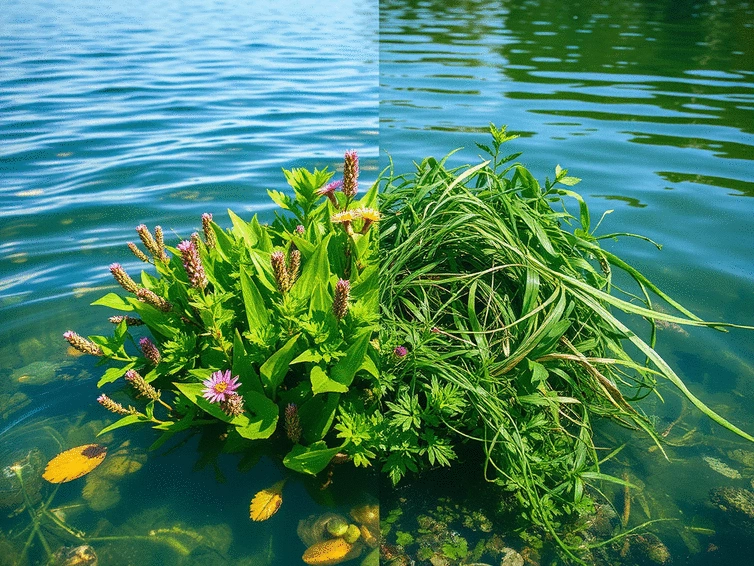
Native vs. Invasive Aquatic Weeds: A Visual Comparison
Understanding the distinctions between native and invasive aquatic plants is crucial for effective ecosystem management. This visual highlights key characteristics and impacts of both types.
Native Aquatic Plants
✓
Biodiversity Protection: Support local wildlife, provide food and habitat.
✓
Water Quality: Help filter pollutants and stabilize sediment.
✓
Growth Habits: Typically controlled growth, diverse leaf shapes, extensive root systems.
Understanding the Importance of Aquatic Weed Identification
Have you ever taken a stroll by a lake and wondered what aquatic plants are thriving below the surface? Understanding the importance of aquatic weed identification can empower you to protect and restore our cherished water habitats. By recognizing the difference between native and invasive aquatic weeds, we become stewards of our ecosystems and ensure the balance necessary for vibrant aquatic life.
At Aquatic Weed Solutions, we believe that knowledge is the first step towards effective management. Distinguishing between native species that support biodiversity and invasive ones that threaten it is crucial. This understanding informs our approach and guides landowners, ecologists, and waterway managers in their efforts to maintain healthy waterways.
Why Distinguishing Native from Invasive Aquatic Weeds Matters
Being able to identify native plants from invasive weeds is essential for several reasons:
Protecting Biodiversity: Native aquatic plants play a vital role in supporting local wildlife, providing food and habitat.
Maintaining Water Quality: Native species help filter pollutants and stabilize sediment, thus contributing to cleaner water.
Preventing Ecosystem Disruption: Invasive species can outcompete native plants for resources, leading to a decline in local flora and fauna.
As an ecologist, I often see how early detection can prevent larger infestations and save communities time and money in the long run. By investing time in identifying these plants, you're not just protecting your local waterway; you're contributing to a broader ecological balance.
The Role of Aquatic Weeds in Ecosystem Health
Aquatic weeds, whether native or invasive, have a significant impact on ecosystem health. They serve various functions, such as providing cover and habitat for aquatic organisms and contributing to nutrient cycling. Native plants, in particular, create balance within these ecosystems, enhancing water clarity and supporting a diverse array of life.
In contrast, invasive aquatic weeds can lead to decreased biodiversity. They often grow unchecked, creating dense mats that can choke out native plants. This not only alters the habitat available for fish and other organisms but also disrupts the overall food web, leading to further ecological imbalance.
Impact of Invasive Species on Biodiversity and Water Quality
The presence of invasive aquatic weeds can be detrimental to both biodiversity and water quality. These species, such as hydrilla and water hyacinth, can quickly dominate water bodies, leading to:
Reduced oxygen levels, harming fish and other aquatic life.
Blocked sunlight, which can prevent native plants from photosynthesizing effectively.
Altered sedimentation patterns, disrupting the natural flow and function of aquatic ecosystems.
As I work with various landowners and waterway managers, I often emphasize how these impacts can ripple through entire ecosystems. By learning to identify and manage these invasive species effectively, we can protect our natural resources and ensure the health of our waterways for future generations. Understanding the distinction between non-native aquatic organisms and native ones is crucial for preserving ecosystem balance.
Visual Identification of Aquatic Weeds
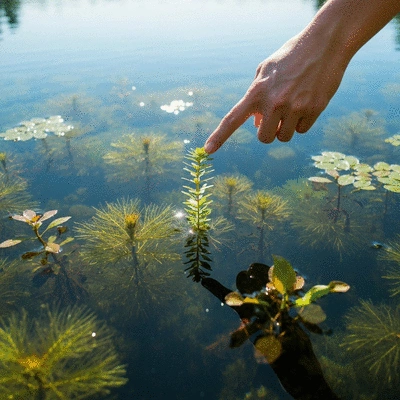
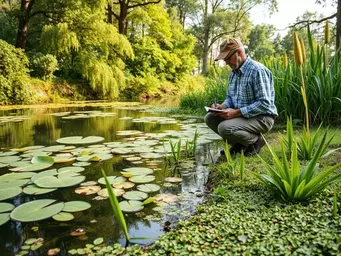
When it comes to managing aquatic ecosystems, being able to visually identify aquatic weeds is crucial. Even a quick glance at a plant can provide valuable information about its role and potential impact on the ecosystem.
Key Characteristics of Native Aquatic Plants
Native aquatic plants often have distinct characteristics that set them apart from their invasive counterparts. Here are some key traits to look for:
Leaf Structure: Native plants typically have broad and varied leaf shapes that promote healthy growth.
Root Systems: Many native plants develop extensive root systems that anchor them and help stabilize sediments.
Flowering Patterns: Native species often exhibit unique flowering times and colors that attract local pollinators.
Recognizing these characteristics can make a significant difference in your ability to maintain healthy waterways. In my experience, a solid understanding of native plants not only enhances ecological resilience but also fosters appreciation for the natural beauty of our aquatic environments.
Common Native Plants: Water Lily and Clasping-leaved Pondweed
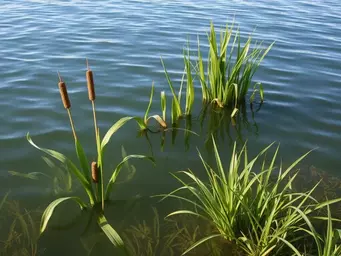
Two common native plants you may encounter are the water lily and clasping-leaved pondweed. Here are their distinguishing features:
Water Lily: Recognizable by their large, flat leaves that float on the surface of the water, and beautiful flowers that can be white, pink, or yellow.
Clasping-leaved Pondweed: Characterized by its long stem and whorled leaves that clasp around the stem, providing excellent habitat for fish and invertebrates.
Understanding these native plants is essential for preserving the balance of aquatic ecosystems. By recognizing and protecting them, we can foster an environment where native species thrive.
Identifying Invasive Aquatic Weeds
Identifying invasive aquatic weeds is just as important as recognizing native ones. Here are some notable invaders to keep an eye out for:
Focus on Brazilian Elodea, Hydrilla, and Curly-leaf Pondweed
These invasive species can wreak havoc on local ecosystems. As detailed in resources like the Mid-Atlantic Field Guide to Aquatic Invasive Plants, understanding their specific characteristics is vital. Here’s what to look for:
Brazilian Elodea: Dense, bushy growth with small leaves that can quickly take over water bodies.
Hydrilla: A fast-growing plant with thin, serrated leaves that can form dense mats, blocking sunlight and oxygen.
Curly-leaf Pondweed: Recognizable by its curled leaves and tendency to grow in cool water, often forming thick beds.
By familiarizing yourself with these invasive species, you can take proactive measures to manage and control their spread.
Understanding Look-alikes: How to Differentiate
One of the challenges in identifying aquatic plants is the existence of look-alikes. Some native plants may closely resemble invasive species, which can complicate management efforts. Here’s how to differentiate:
Leaf Arrangement: Native plants often have a different leaf arrangement than their invasive counterparts.
Growth Habits: Observe how the plant grows; native plants typically exhibit more controlled growth compared to invasive species.
Flower Structure: Flowers can be a significant identifier; take note of the shape and color differences.
In my work, I emphasize the importance of understanding these subtleties. Proper identification can greatly enhance your management efforts and contribute to a healthier ecosystem.
Plant Morphology: Recognizing Features of Native vs. Invasive Species
Understanding plant morphology is essential for distinguishing between native and invasive species. Key features to pay attention to include:
Stem Structure: Native plants often have sturdy stems, while invasive ones may be fragile and spindly.
Root Systems: The root structure can reveal a lot; look for extensive roots in native plants, which help stabilize the environment.
Leaf Texture: The texture can vary significantly; native leaves may be thicker and more resilient than invasive counterparts.
By honing your skills in plant morphology, you can better support your local ecosystems. Remember, every plant plays a role, and understanding their unique features helps us maintain ecological balance.
We Want to Hear From You!
What strategies do you find most effective in managing aquatic weeds? Share your thoughts below:
Frequently Asked Questions About Aquatic Weed Identification
Q: Why is it important to identify aquatic weeds?
A: Identifying aquatic weeds is crucial for protecting biodiversity, maintaining water quality, and preventing ecosystem disruption. It helps differentiate between beneficial native plants and harmful invasive species.
Q: What are the main differences between native and invasive aquatic plants?
A: Native plants typically have controlled growth, diverse leaf shapes, extensive root systems, and support local wildlife. Invasive plants, in contrast, exhibit rapid, unchecked growth, form dense mats, reduce oxygen levels, and can outcompete native species, leading to decreased biodiversity.
Q: How do invasive aquatic weeds impact water quality?
A: Invasive aquatic weeds can degrade water quality by reducing oxygen levels, blocking sunlight for native plants, and altering sedimentation patterns, which disrupts the natural flow and function of aquatic ecosystems.
Q: What are some examples of common invasive aquatic weeds?
A: Common invasive aquatic weeds include Brazilian Elodea, Hydrilla, and Curly-leaf Pondweed. These species are known for their aggressive growth habits and ability to dominate water bodies.
Q: What can I do to help manage aquatic weeds in my local area?
A: You can help by conducting regular assessments, implementing effective control strategies, staying informed about the latest research, contacting local extension agents, and joining community efforts or conservation groups like the Native Plant Society.
Summary of Key Takeaways on Aquatic Weed Management
As we wrap up our exploration of aquatic weed management, it's essential to recognize the benefits of distinguishing between native and invasive species. This knowledge not only empowers landowners and waterway managers to take effective action but also plays a pivotal role in preserving our aquatic ecosystems. By identifying the specific types of plants in our waterways, we can make informed decisions that lead to healthier environments.
Effective Management: Recognizing invasive species allows for targeted control measures.
Community Engagement: Educating others fosters collective efforts in preservation.
Ultimately, effective aquatic weed management hinges on awareness and action. Knowledge is indeed power, and with the right tools and information, we can all contribute to healthier waterways.
Next Steps for Effective Aquatic Weed Control
Now that you understand the importance of aquatic weed identification and management, it’s time to consider your next steps! Whether you're a landowner, waterway manager, or just an interested community member, there are practical actions you can take.
Conduct Regular Assessments: Regular monitoring can help catch infestations early.
Implement Control Strategies: Choose the most effective methods for your specific situation.
Stay Informed: Keep up with the latest research and best practices in aquatic weed management, including insights from studies on aquatic invasive species management like those published in scientific journals.
By taking these steps, you can play an integral role in maintaining the balance of our aquatic ecosystems. Remember, every action counts!
Get Involved: Local Resources and Partnerships
Want to make a greater impact in your local aquatic ecosystems? Getting involved with local resources and partnerships can amplify your efforts in managing aquatic weeds. Here’s how you can connect with others who share the same commitment to preserving our waterways.
Contact Local Extension Agents for Support
Your local extension agents are invaluable resources for guidance on aquatic weed identification and management. They offer tailored advice and access to regional-specific information that can help you tackle the unique challenges in your area. Don't hesitate to reach out!
Join Community Efforts to Preserve Aquatic Ecosystems
Engaging with community groups focused on aquatic conservation can enhance your impact. These collaborations can provide:
Networking Opportunities: Connect with like-minded individuals and organizations.
Shared Resources: Pool resources for more effective management strategies.
Collective Action: Work together on larger initiatives that benefit the entire ecosystem.
Community involvement not only strengthens your knowledge base but also fosters a culture of care for our aquatic environments.
Engaging with the Native Plant Society and Other Conservation Groups
Consider reaching out to the Native Plant Society and similar conservation groups. They are often at the forefront of promoting native species and combating invasive ones. By engaging with these organizations, you can:
Stay Updated: Access educational materials and upcoming events.
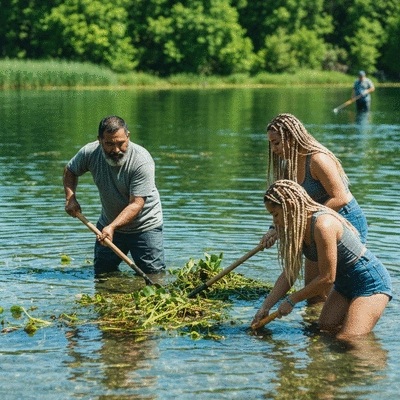
Participate in Workshops: Gain hands-on experience in plant identification and management.
Advocate for Native Species: Join efforts to promote the importance of maintaining biodiversity.
Collaboration enriches our understanding of ecosystems and empowers us to take meaningful action. Together, we can create thriving aquatic habitats for generations to come!
Recap of Key Points
Here is a quick recap of the important points discussed in the article:
Protecting Biodiversity: Identifying native aquatic plants supports local wildlife and maintains biodiversity.
Maintaining Water Quality: Native species help filter pollutants, contributing to cleaner water.
Preventing Ecosystem Disruption: Early detection of invasive species can prevent larger infestations and preserve ecological balance.
Visual Identification: Recognizing key characteristics of native and invasive plants is essential for effective management.
Community Involvement: Engaging with local resources and partnerships enhances efforts in managing aquatic ecosystems.
At Aquatic Weed Solutions, we are dedicated to informing landowners, ecologists, and waterway managers about aquatic weeds and their effective management. Our mission is to empower you with knowledge and tools to identify, manage, and restore balanced aquatic habitats.

Aquatic Weed Control Methods Explained
Identify Aquatic Weeds Effectively
Evaluating Your Aquatic Weed Strategy
Restoring Ecosystems After Aquatic Weeds
Choosing Aquatic Weed Control Services