
User Interface & Database Size
Look for intuitive navigation and a comprehensive species database for accurate identification. A larger database increases identification success.
Ease of Use
Data Richness
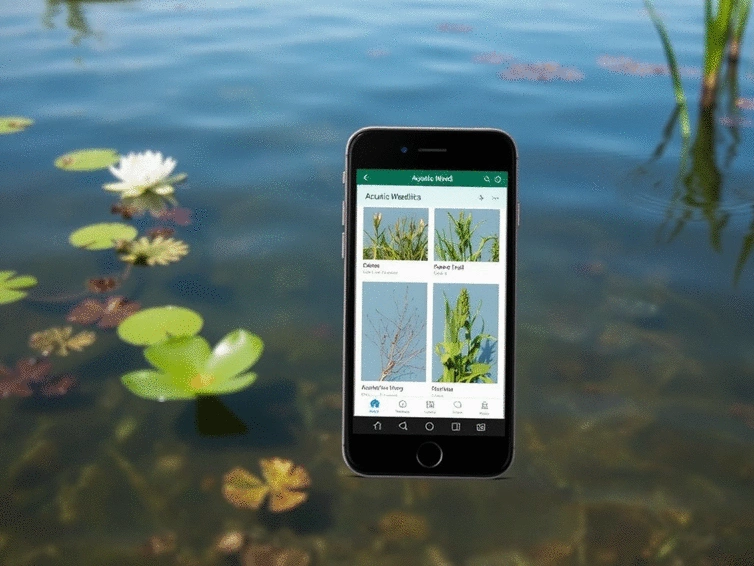
What if a simple app could help you protect our precious aquatic ecosystems? The rise of aquatic weed identification apps empowers individuals to recognize and manage invasive species effectively, promoting environmental stewardship and preserving biodiversity.
Selecting the right app is crucial for effective aquatic weed management. Evaluate options based on the following factors:
Look for intuitive navigation and a comprehensive species database for accurate identification. A larger database increases identification success.
User reviews offer insights into effectiveness. Offline access is crucial for fieldwork where internet may be unavailable.
As someone deeply invested in the conservation of aquatic ecosystems, I believe that understanding aquatic weed identification apps is essential for environmental stewardship. These apps empower landowners, ecologists, and waterway managers to recognize and manage invasive species effectively. By leveraging technology, we can protect our precious water habitats from the detrimental impacts of aquatic weeds.
Identifying aquatic weeds not only helps in controlling their spread but also plays a critical role in maintaining biodiversity. When we can accurately identify these species, we can implement better management strategies that foster ecological balance in our waterways. For more information on why aquatic invasive plants are a concern and how to manage them, refer to resources from the Washington State Department of Ecology.
Invasive aquatic weeds can disrupt ecosystems, harm native species, and alter water quality. Recognizing these weeds early is vital! Here are several reasons why identification is crucial:
These factors underscore the importance of using identification apps as a first line of defense against aquatic weed invasions.
While technology has come a long way, identifying aquatic weeds is not without its challenges. Many landowners and managers encounter obstacles such as:
These challenges highlight the need for effective tools that can assist in the identification process and help streamline management efforts. The Wisconsin Department of Natural Resources provides valuable research and resources on aquatic plant identification to aid in this process.
Mobile apps serve as a bridge connecting knowledge and action in biodiversity conservation. They provide invaluable resources for those tasked with managing aquatic ecosystems. The role of these apps includes:
By integrating technology into our conservation efforts, we can foster a more informed community dedicated to preserving our aquatic ecosystems. As we move forward, embracing these tools becomes increasingly essential for effective environmental monitoring.
These apps enable early detection and management of invasive species, which is crucial for preventing their spread, protecting native biodiversity, and maintaining water quality in aquatic ecosystems.
Challenges include the complexity and similarity of many aquatic plant species, limited access to comprehensive guides or expert knowledge for individuals, and the rapid proliferation rates of invasive weeds.
Mobile apps offer instant identification through photos, facilitate data collection for broader ecological databases, and foster community engagement among users, thereby enhancing overall conservation efforts.
When selecting an app, consider its user interface (for ease of navigation), the size and comprehensiveness of its species database, community feedback/reviews, offline functionality (for fieldwork), and its cost or subscription model.
To get the most out of your app, regularly experiment with its identification tools in various environments, document your findings, and actively engage with community forums or social media groups linked to the app to learn from and share with other users.
What challenges have you faced while identifying aquatic weeds? Share your experiences and insights below:
Choosing the right aquatic weed identification app can make a significant difference in your conservation efforts. With numerous options available, it’s essential to evaluate each app based on your specific needs and the features they offer. Here are some key considerations to keep in mind:
These factors combined will help you select an app that aligns with your personal or professional objectives in aquatic weed management.
Now that you’ve chosen an app, it’s time to maximize its potential. Start by familiarizing yourself with the app’s features. For instance, use the identification tool in various environments to see how it performs under different conditions. Sharing your findings on social media or local conservation groups can foster community engagement and further your learning.
Through consistent use and interaction, you’ll improve your skills and contribute to a community dedicated to aquatic conservation.
The accuracy of any aquatic weed identification app heavily relies on the quality of its species database. A well-maintained database not only includes a wide variety of species but also offers detailed information about each one. Ensure the app you choose is frequently updated to reflect the latest scientific research and regional findings. For example, the New Mexico State University Extension offers comprehensive guides like 'Common Weeds of New Mexico' that showcase the depth of information a good database should contain.
By selecting an app with a robust and comprehensive database, you empower yourself with the knowledge needed for effective aquatic weed management.
To further your knowledge about aquatic weed identification apps, consider visiting reputable websites or forums that specialize in ecological tools. Sites that provide user reviews can be particularly helpful. Here are a few suggestions:
Engaging with these resources will deepen your understanding and keep you informed about the latest trends in aquatic weed identification.
Your experiences using aquatic weed identification apps can significantly benefit others in the community. Don’t hesitate to share your stories, successes, and even challenges you faced along the way. By doing so, you contribute to a collective pool of knowledge that can assist fellow conservationists and landowners.
By sharing your insights, you help build a supportive community around aquatic weed management!
Online forums are a treasure trove of information for anyone interested in aquatic weed management. They provide a platform for sharing experiences, asking questions, and learning from others. I encourage you to explore these discussions actively.
Through active participation, you’ll not only enhance your own understanding but also help others in their quest for effective aquatic weed management!
Here is a quick recap of the important points discussed in the article:
Aquatic Weed Control Methods Explained
As we dive into the world of aquatic weeds, have you ever wondered what lurks beneath the surface of
Identify Aquatic Weeds Effectively
Have you ever glanced at your pond and wondered what unseen challenges it faces? Understanding aquat
Evaluating Your Aquatic Weed Strategy
As we delve into the complexities of aquatic weed management, consider this: effective strategies hi
Aquatic Weed Control Methods Explained
Identify Aquatic Weeds Effectively
Evaluating Your Aquatic Weed Strategy
Restoring Ecosystems After Aquatic Weeds
Choosing Aquatic Weed Control Services