Welcome to Aquatic Weed Solutions. We offer expert insights and guides for identifying and managing aquatic weeds, fostering healthy water habitats. Explore and be inspired!
Engaging with our aquatic ecosystems offers deeper insights into the delicate balance between flora and fauna. As we delve into the realm of aquatic weeds, we discover their roles and the significance of proper identification. Understanding these elements empowers us to maintain healthy waterways and support our local environments.
What You Will Learn
Aquatic weeds can create habitats and improve water quality, but invasive species can disrupt these benefits.
Identifying invasive aquatic weeds involves recognizing traits such as rapid growth and dense mats that outcompete native plants.
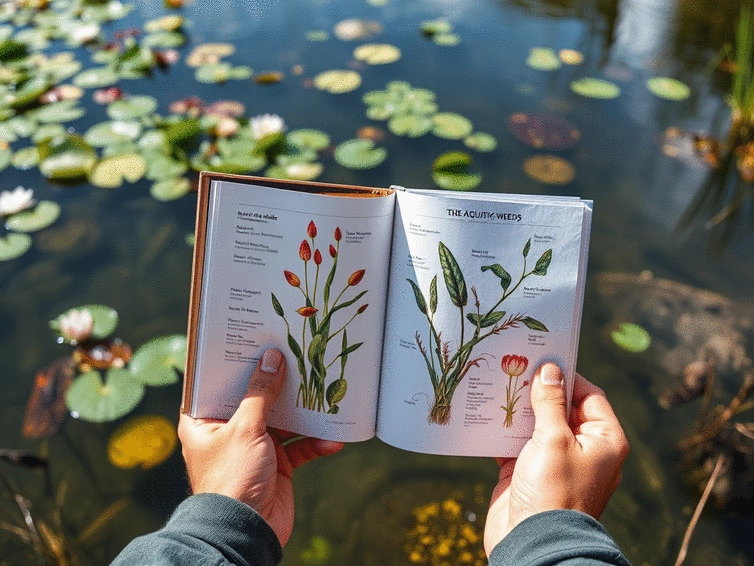
Utilizing identification guides aids in distinguishing weed species and implementing effective management strategies.
Seasonal changes affect the visibility and identification of aquatic weeds, making timing crucial for effective management.
Community involvement is vital for successful aquatic weed management, fostering knowledge and stewardship within local environments.
Aquatic Weed Identification: Seasonal and Regional Adaptations
Understanding how aquatic weeds change with seasons and climates is crucial for effective management. This visual highlights key considerations for identification throughout the year and across different regions.
Winter: Dormancy, challenging but aids native species recognition.
Regional Identification Adaptations
🌡️
Temperature: Warmer climates = faster growth, quicker ID needed.
💧
Humidity: High moisture areas = lush growth, know local species.
🌿
Local Flora: Familiarize with native plants to distinguish invasives.
Understanding Aquatic Weeds and Their Identification
As we explore the fascinating world of aquatic ecosystems, it’s crucial to grasp what aquatic weeds are and their significance within these environments. These plants can take many forms, from small floating varieties to robust submerged species. Understanding their role helps us appreciate the delicate balance they play in our waterways!
Aquatic weeds serve as both habitat and food sources for various aquatic life. However, when they become invasive, they can disrupt ecosystems, hinder recreational activities, and negatively affect water quality. That's why identifying these plants is vital for maintaining healthy aquatic habitats.
What Are Aquatic Weeds and Their Importance in Ecosystems?
Aquatic weeds can be defined as plants that thrive in or near water bodies, often classified based on their growing conditions. They can be beneficial, providing shelter and food for fish and wildlife, but when species like hydrilla or water hyacinth invade, they can overwhelm native plants, leading to significant ecological consequences. For instance, the Washington State Department of Ecology provides comprehensive resources on how to identify and manage various aquatic noxious weeds, highlighting the importance of understanding the impact of these plants on local ecosystems. You can learn more about managing aquatic weeds and protecting aquatic habitats by reviewing resources such as the Washington State Aquatic Noxious Weed Control Program 2023 Annual Report.
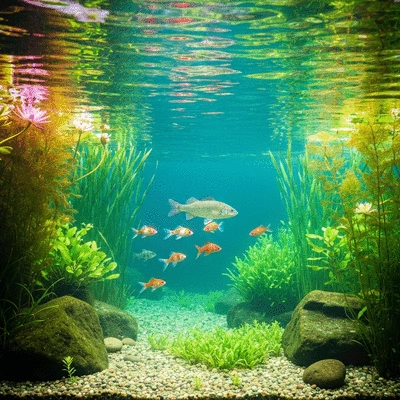
Habitat Creation: Many aquatic weeds offer essential shelter for various fish species and invertebrates.
Oxygen Production: Through photosynthesis, they help maintain oxygen levels essential for aquatic life.
Water Quality Improvement: They can filter pollutants, contributing to cleaner water systems.
Understanding these roles emphasizes the importance of managing aquatic weeds responsibly, ensuring that we maintain a balance between native flora and invasive species.
Recognizing Invasive Aquatic Species: Key Characteristics to Note
Identifying invasive aquatic weeds is key to effective management. Common characteristics include rapid growth, dense mats, and a tendency to outcompete native plants for resources. For instance, if you notice a water body becoming choked with thick green mats, it may be time to investigate further! The King County Department of Natural Resources and Parks offers valuable insights into identifying and managing invasive aquatic plants to protect local waterways. Their 2023 Annual Report details efforts and findings in managing aquatic weeds.
Growth Rate: Invasive species often grow much faster than native varieties.
Reproductive Strategies: Many can reproduce asexually, leading to quick population increases.
Adaptability: They can thrive in various conditions, making them hard to control.
By recognizing these features, landowners and waterway managers can act swiftly to manage invasive species before they become a major problem.
The Role of Aquatic Weed Identification Guides in Ecosystem Management
At Aquatic Weed Solutions, we believe that having robust identification guides is invaluable for anyone managing aquatic ecosystems. These resources not only assist in identifying various weed species but also provide critical information about their management and control techniques. For example, the Wisconsin Department of Natural Resources conducts extensive research on aquatic plants, offering valuable information for identification and management to support healthy lake ecosystems. You can explore their work and resources on aquatic plant research.
Illustrated Guides: These guides offer visual aids that help easily distinguish between different species.
Management Strategies: They often include practical tips for controlling invasive weeds, tailored to specific species.
Community Engagement: Guides can foster community involvement by encouraging local stakeholders to learn more about their aquatic environments.
By utilizing these identification resources, we empower ourselves to take informed actions that promote ecological balance in our waterways!
Did You Know?
According to research, invasive aquatic weeds can reduce local biodiversity by up to 50%, severely impacting the health of aquatic ecosystems.
Bringing It All Together: The Importance of Accurate Aquatic Weed Identification
When it comes to managing aquatic weeds, accurate identification is crucial! Understanding not just what these plants are but also when and where they proliferate adds a layer of effectiveness to your management strategies. Several factors play into this process, including seasonal changes that can affect identification and growth patterns.
Accurate identification can also inform whether a plant is invasive or beneficial. This insight is vital for landowners, ecologists, and waterway managers working toward the health of our ecosystems!
Seasonal Considerations for Aquatic Weed Identification
Identifying aquatic weeds isn’t a one-size-fits-all task; it varies throughout the year. Different species might be more visible or dormant depending on the season. Here are some key points to remember:
Spring: Many weeds start to emerge as temperatures rise, making this an essential time for identification.
Summer: This is when weeds are often at their peak growth, and identifying them becomes easier as they exhibit their unique features.
Fall: Some species may begin to die back, which can complicate identification, especially for those that are annual.
Winter: Many aquatic plants are dormant, making identification challenging, but understanding native species can aid in recognizing invasive ones.
As you’re out on the water, remember these seasonal patterns! It can make all the difference in your identification efforts.
Regional Variations: Adapting Tools and Techniques by Climate
The effectiveness of your identification tools can vary greatly depending on your regional climate. For example, the types of aquatic weeds you’ll encounter in a warm, tropical environment differ significantly from those in cooler northern climates. Here’s how to adapt your approach:
Temperature: In warmer climates, faster-growing species might dominate, necessitating quicker identification methods.
Humidity: Areas with high moisture levels often have lush growth, making it vital to understand local species.
Local Flora: Familiarize yourself with the native plants in your area, as this knowledge aids in distinguishing between invasive and local species.
By tailoring your tools and techniques based on your region, you’ll increase your success in identifying aquatic weeds accurately!
Environmental monitoring programs play a significant role in assessing the health of aquatic ecosystems. These programs often involve collaboration with local communities and experts to gather data on weed populations and their impact. Here are some aspects to consider:
Regular Surveys: Conducting surveys helps track changes in weed populations over time.
Data Sharing: Participating in community data sharing initiatives can enhance identification efforts and improve management strategies.
Community Involvement: Encourage local stakeholders to get involved, as their insights can provide valuable context to the data collected.
Participating in or supporting these programs can greatly contribute to better aquatic weed management and restoration efforts. By staying engaged with local initiatives, we can empower our communities and ecosystems alike!
Encouraging Community Involvement in Aquatic Weed Identification
Community involvement is a powerful tool in the fight against aquatic weeds. Engaging local residents not only enhances identification efforts but also fosters a sense of stewardship toward our precious waterways. Together, we can create a knowledgeable community that actively participates in aquatic weed management!
Frequently Asked Questions (FAQs)
Q1: What are aquatic weeds and why is their identification important?
Aquatic weeds are plants that grow in or near water bodies. Their identification is crucial because while some are beneficial for creating habitats and improving water quality, invasive species can disrupt ecosystems, negatively impact water quality, and hinder recreational activities.
Q2: How do invasive aquatic weeds differ from native ones?
Invasive aquatic weeds typically exhibit rapid growth rates, form dense mats that outcompete native plants, and have effective reproductive strategies (often asexual), allowing them to quickly overwhelm an ecosystem. Native plants, in contrast, are part of the natural balance of the ecosystem.
Q3: How do seasonal changes affect aquatic weed identification?
Seasonal changes significantly impact weed identification. Spring is crucial for early detection as weeds emerge. Summer sees peak growth, making features easier to recognize. Fall can complicate identification as die-back begins, and winter dormancy makes identification challenging, though knowing native dormant species can help identify invasives.
Q4: Why are regional adaptations important for identifying aquatic weeds?
Regional adaptations are important because the types of weeds and their growth patterns vary by climate. Warmer climates may have faster-growing species, requiring quicker identification. Areas with high moisture have lush growth, making local species knowledge vital. Familiarity with local flora helps distinguish between native and invasive species.
Q5: What role do identification guides play in managing aquatic weeds?
Identification guides are invaluable tools that offer visual aids to distinguish between different weed species and provide practical management and control techniques. They also foster community engagement by educating stakeholders and encouraging informed actions for ecological balance.
Recap of Key Points
Here is a quick recap of the important points discussed in the article:
Aquatic weeds play crucial roles in ecosystems by providing habitat, oxygen, and improving water quality.
Invasive species can disrupt native plants and ecosystems; identifying them early is essential for management.
Utilizing identification guides can enhance the understanding and management of aquatic weeds.
Seasonal changes affect weed identification, making it important to monitor throughout the year.
Regional variations in climate require adaptation of identification tools and techniques.
Community involvement is vital for effective aquatic weed management and restoration efforts.
At Aquatic Weed Solutions, we are dedicated to informing landowners, ecologists, and waterway managers about aquatic weeds and their effective management. Our mission is to empower you with knowledge and tools to identify, manage, and restore balanced aquatic habitats.

Aquatic Weed Control Methods Explained
Identify Aquatic Weeds Effectively
Evaluating Your Aquatic Weed Strategy
Restoring Ecosystems After Aquatic Weeds
Choosing Aquatic Weed Control Services