
What Are Submerged Aquatic Plants?
- Flexible stems withstand currents.
- Leaves vary in shape, size, and arrangement.
- Some reproduce rapidly (e.g., Watermilfoil, Hydrilla).
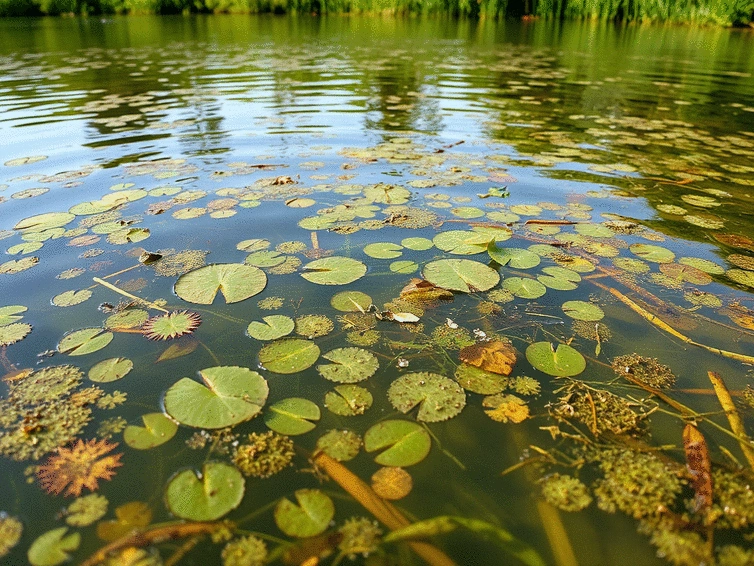
Have you ever considered the critical role that submerged aquatic plants play in our waterways? These often-overlooked organisms are not just flora; they are integral to the health of aquatic ecosystems. By understanding them, we can take significant strides toward preserving and enhancing our freshwater environments.
Understanding the fundamental aspects of submerged aquatic plants, from their unique characteristics to vital ecosystem roles and identification strategies, is crucial for effective waterway management.
As we explore the intricate world of aquatic ecosystems, it's essential to grasp the concept of submerged aquatic plants. These fascinating organisms thrive beneath the water's surface and play a crucial role in the health of our waterways. From providing shelter for fish to aiding in nutrient cycling, submerged aquatic weeds are vital components of aquatic habitats.
At Aquatic Weed Solutions, I often emphasize the importance of knowing these plants. Their presence can signify the overall health of a waterway, making their identification a key aspect of effective ecosystem management. By understanding what submerged aquatic plants are, we can better manage our waterways and protect their ecological balance.
Submerged aquatic plants are species that grow entirely underwater, often forming dense beds. They can be found in various freshwater environments, including lakes, ponds, and rivers. Some common examples include watermilfoil and hydrilla. These plants are not only vital for aquatic fauna but also help in controlling algae growth and stabilizing sediments.
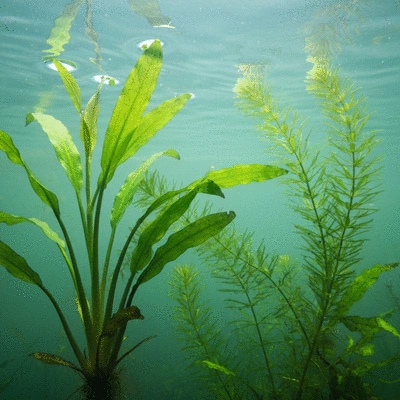
Recognizing the different types of submerged plants can help landowners and managers assess the conditions of their waterways. Here are some key characteristics of submerged aquatic plants:
Identifying aquatic weeds is crucial for maintaining healthy ecosystems. Many submerged plants can either be beneficial or detrimental depending on their species and growth patterns. For instance, while some species provide habitat for wildlife, others can outcompete native plants and disrupt the ecosystem balance. Therefore, know your weeds!
Understanding which species are present in your waterway enables better management decisions. For comprehensive guidance on identifying and managing various aquatic plants, you can refer to resources like the Purdue University guide on Identifying and Managing Aquatic Vegetation. Here are a few reasons why identifying aquatic weeds is essential:
Aquatic weeds provide several vital ecosystem services that contribute to the overall health of our freshwater environments. These benefits include improving water quality, preventing erosion, and providing habitat for various aquatic species. For landowners and managers, understanding these roles can lead to more informed and effective management practices.
A recent study on the ecological functions of aquatic plants further highlights their importance in maintaining ecosystem balance. Consider these significant roles aquatic weeds play in ecosystem services:
By recognizing the positive contributions of submerged aquatic weeds, we can appreciate their role in maintaining our precious aquatic ecosystems while also being mindful of potential management needs.
As we delve deeper into understanding submerged aquatic plants, we’d love to hear from you! How important do you think it is to identify and manage aquatic weeds in your local waterways?
As we conclude our exploration of submerged aquatic weeds, it's crucial to reflect on the key identification strategies we've discussed. Being able to recognize different species through their unique leaf shapes and stem characteristics is a vital skill for any landowner, ecologist, or waterway manager. By familiarizing yourself with these traits, you can effectively manage and maintain healthy aquatic ecosystems.
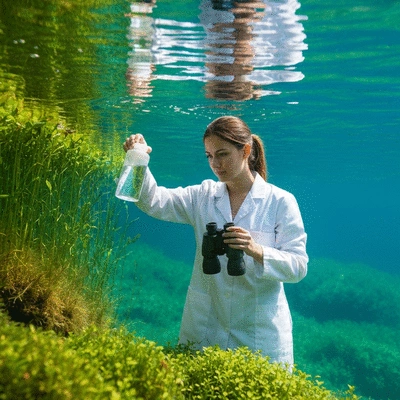
Additionally, understanding seasonal changes in aquatic weeds will enhance your identification skills. Just like the changing colors of autumn leaves, submerged plants also exhibit different appearances throughout the year. This knowledge can guide your monitoring efforts and improve your overall management strategies.
Each of these strategies plays a pivotal role in understanding the aquatic ecosystem. As an ecologist, I find that when individuals become proactive in identifying and managing these plants, we collectively contribute to a healthier environment.
Ongoing monitoring is essential not only for identifying aquatic weeds but also for implementing effective management practices. Regular checks of your waterway can help you detect any changes in weed populations early on. This proactive approach allows you to address issues before they become overwhelming, thus preserving the delicate balance of aquatic ecosystems.
At Aquatic Weed Solutions, we believe that continuous education and engagement with your local community are vital. By sharing knowledge and strategies, we can work together to combat the spread of invasive species and promote ecological health.
It's important to consider how water quality connects with plant identification. Poor water quality can lead to the proliferation of invasive aquatic weeds, which can further degrade ecosystem health. By understanding the relationship between water quality and plant health, you can make informed decisions that support both your identification efforts and the overall health of your waterways.
Regular water testing can provide insights into nutrient levels, pH, and other critical factors that influence aquatic plant growth. Monitoring these variables gives you a clearer picture of the conditions leading to weed growth and can enhance your management strategies.
These resources are invaluable for anyone looking to deepen their understanding of aquatic weeds. Engaging with these materials not only broadens your knowledge but also connects you with like-minded individuals interested in preserving our waterways.
Finally, let's not forget the significant role of aquatic conservation in maintaining ecosystem health. As we focus on identifying and managing aquatic weeds, we are simultaneously participating in the larger picture of conservation. This commitment to preserving our aquatic environments is essential for supporting biodiversity and ensuring that future generations can enjoy and utilize these vital resources.
By championing conservation initiatives, we can bolster our efforts to create sustainable practices that protect our waterways and the diverse life they support.
As you navigate your journey of identifying and managing aquatic weeds, I encourage you to share your findings with your community. Knowledge sharing fosters a sense of collaboration and empowerment. Consider hosting a local event or creating an online forum where individuals can discuss their experiences and strategies for successful aquatic weed management.
Working together enhances our understanding and helps build a community committed to preserving aquatic ecosystems.
Your contributions matter! Each small action can significantly impact the health of our ecosystems. Let's collaborate for the greater good, ensuring our waterways remain vibrant and balanced for all to enjoy.
Here is a quick recap of the important points discussed in the article:
Aquatic Weed Control Methods Explained
As we dive into the world of aquatic weeds, have you ever wondered what lurks beneath the surface of
Identify Aquatic Weeds Effectively
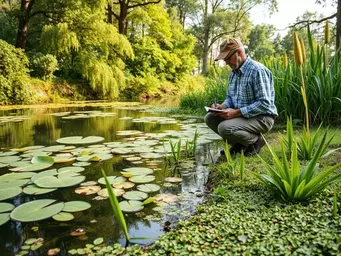
Have you ever glanced at your pond and wondered what unseen challenges it faces? Understanding aquat
Evaluating Your Aquatic Weed Strategy
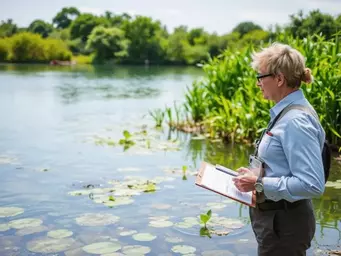
As we delve into the complexities of aquatic weed management, consider this: effective strategies hi
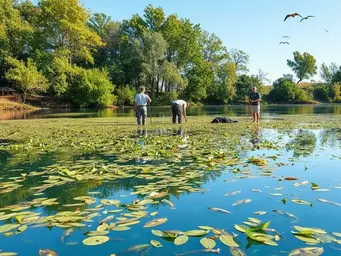
Aquatic Weed Control Methods Explained
Identify Aquatic Weeds Effectively
Evaluating Your Aquatic Weed Strategy
Restoring Ecosystems After Aquatic Weeds
Choosing Aquatic Weed Control Services