
Environmental Impact: Biodiversity & Water Quality
- Outcompete native plants & disrupt ecosystems.
- Decrease oxygen levels (fish kills).
- Increase sedimentation rates & affect spawning.
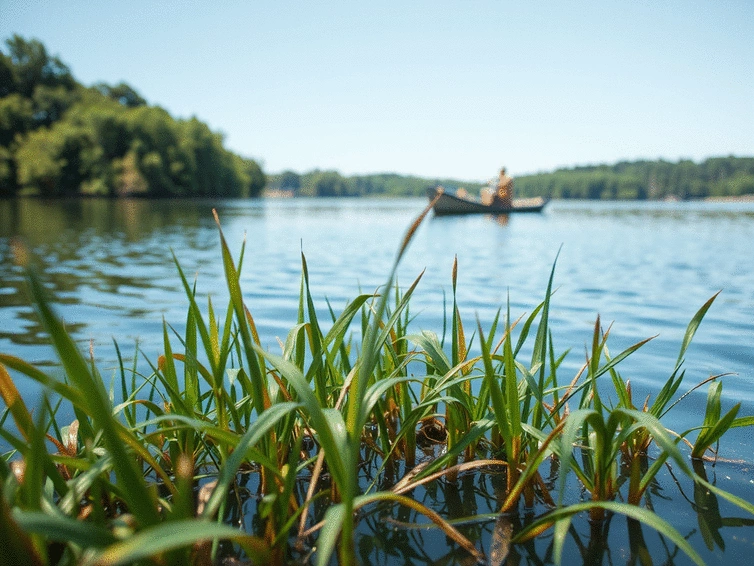
As we explore the intricate web of our aquatic ecosystems, understanding the threat of aquatic weeds is paramount. These invasive species can wreak havoc on our lakes, but with knowledge and proactive management, we can safeguard these vital environments for future generations.
Aquatic weeds pose significant challenges to the health and balance of our lakes. The visual below highlights the primary environmental and economic impacts caused by these invasive species.
As we dive into the world of aquatic ecosystems, it's vital to understand aquatic weeds and how they can impact our beloved lakes. These invasive species not only alter the landscape but also disrupt the balance of the ecosystems we cherish. With years of experience in managing these challenges, I've seen firsthand how crucial it is to educate ourselves about these plants.
Aquatic weeds thrive in various water bodies, often outcompeting native flora for resources. This can lead to a decline in biodiversity and negatively affect fish populations, recreational activities, and overall water quality. By recognizing these threats, we empower ourselves to take action!
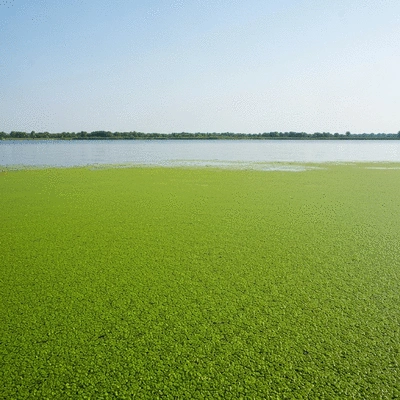
Aquatic weeds are non-native, invasive plants that flourish in freshwater lakes, rivers, and ponds. Their rapid growth can choke waterways, making navigation difficult and harming aquatic life. It's essential to grasp their impact on both ecological and economic levels, as they can lead to increased management costs and reduced water quality. The Texas Parks and Wildlife Department provides valuable insights into the management of these invasive species and their effects on local ecosystems.
Understanding these concerns is the first step towards effective management. We must recognize that these plants pose significant challenges, but with the right strategies, we can mitigate their impact!
Identifying aquatic weeds is crucial for managing them effectively. Different species have unique characteristics that can help in their identification. Let’s explore some common invasive aquatic plants that pose a threat to our lakes.
Hydrilla, often described as the "water weed," is a particularly aggressive species. Its long stems can grow rapidly, creating dense mats that block sunlight and choke out other aquatic plants. Managing hydrilla can be challenging due to its resilience and ability to reproduce from fragments. The Lower Colorado River Authority offers resources on managing nuisance aquatic plants like hydrilla.
Effective control requires a multifaceted approach, including both mechanical removal and chemical treatments. Each waterway has its unique conditions, so tailored strategies are key to success.
Eurasian watermilfoil is another notorious invasive species. It features feathery, finely divided leaves that give it a distinct appearance. This weed can spread rapidly in favorable conditions, leading to severe ecological consequences. Reports from entities like the California Department of Parks and Recreation highlight the challenges and strategies involved in controlling invasive aquatic plants like Eurasian watermilfoil.
To combat Eurasian watermilfoil, utilizing an integrated approach that combines mechanical, biological, and chemical strategies can be effective. This highlights the importance of understanding each species' behavior and adapting our methods accordingly.
Finally, we can't overlook the broader threat posed by invasive aquatic plants. These species can drastically alter water quality by consuming available nutrients and disrupting food chains. The health of our ecosystems depends on maintaining a balanced environment.
Awareness and proactive management are essential to protect our aquatic ecosystems. By educating ourselves, we can take the first steps toward restoring balance and preserving the waters we hold dear.
Consider incorporating native plant species into your aquatic weed management plan. Native plants can compete with invasive species, improving biodiversity and enhancing ecosystem resilience. Not only do they provide habitats for local wildlife, but they also help maintain water quality by stabilizing sediments and absorbing excess nutrients.
As we continue our journey towards healthier lakes, it’s essential to focus on sustainable aquatic weed management. This means not just addressing the present challenges but also planning for the long-term health of our aquatic ecosystems. At Aquatic Weed Solutions, I believe that a tailored management plan is a vital tool for every lake owner. By customizing your approach, you can ensure that your efforts are effective and suited to your unique environment!
When developing a management plan, consider these key aspects:
Incorporating these elements will not only help manage aquatic weeds effectively but also foster a healthier environment for all aquatic life!
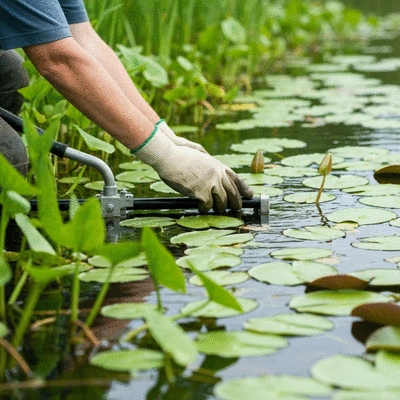
When crafting your management plan, it’s crucial to prioritize ecosystem health and biodiversity. A thriving ecosystem naturally supports the balance between native species and invasive aquatic weeds. Start by assessing the current state of your lake’s biodiversity and identifying native plants that can flourish alongside your efforts to combat weeds.
Some strategies to incorporate biodiversity include:
By embracing these strategies, you not only provide a home for native wildlife but also enhance the overall resilience of your lake!
Here is a quick recap of the important points discussed in the article:
Aquatic Weed Control Methods Explained
As we dive into the world of aquatic weeds, have you ever wondered what lurks beneath the surface of
Identify Aquatic Weeds Effectively
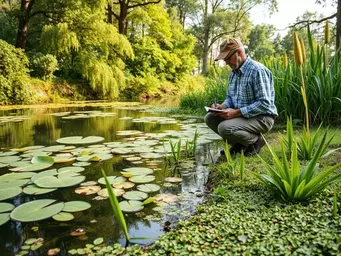
Have you ever glanced at your pond and wondered what unseen challenges it faces? Understanding aquat
Evaluating Your Aquatic Weed Strategy
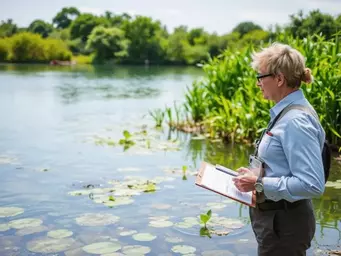
As we delve into the complexities of aquatic weed management, consider this: effective strategies hi
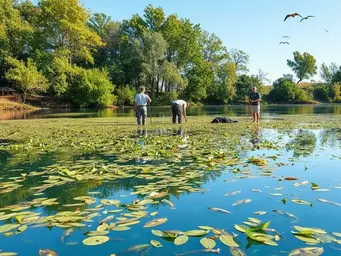
Aquatic Weed Control Methods Explained
Identify Aquatic Weeds Effectively
Evaluating Your Aquatic Weed Strategy
Restoring Ecosystems After Aquatic Weeds
Choosing Aquatic Weed Control Services