
Importance of Timing
Applying herbicides at the correct stage of weed growth and environmental conditions maximizes effectiveness and minimizes harm to non-target species.
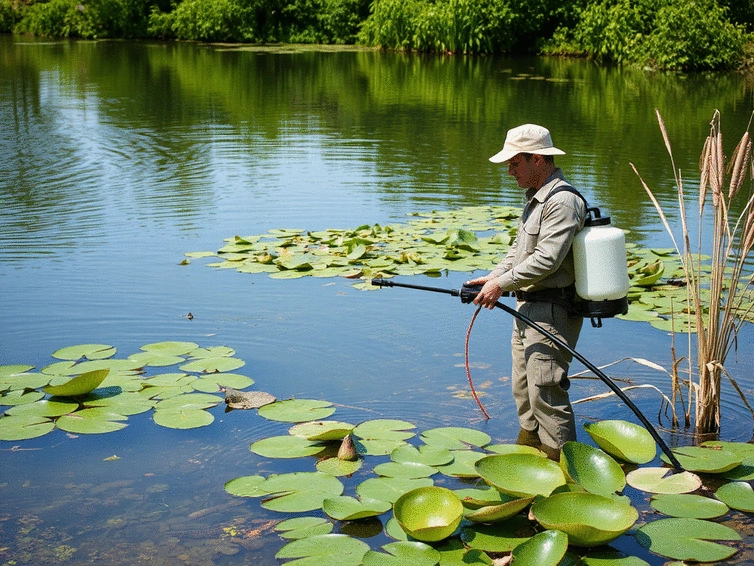
What if the success of your aquatic herbicide application hinged not just on the product you choose, but on when you apply it? Understanding the intricacies of seasonal timing can dramatically enhance the effectiveness of your efforts. Dive into these key insights to ensure your aquatic ecosystem thrives!
Understanding these critical elements ensures effective and environmentally responsible aquatic weed management.
Applying herbicides at the correct stage of weed growth and environmental conditions maximizes effectiveness and minimizes harm to non-target species.
Most herbicides are effective between 60°F and 80°F. Monitoring temperatures in early spring and late summer is crucial for optimal application.
Apply herbicides 24-48 hours before expected rainfall to ensure adequate absorption and prevent runoff.
As we explore the realm of aquatic herbicide application, one of the first things we need to discuss is timing. Effective weed control is not just about choosing the right product; it’s also about knowing when to apply it. Different seasons bring varying conditions that can significantly impact the success of your herbicide efforts. In my experience at Aquatic Weed Solutions, I’ve seen how the right timing can make all the difference in creating healthy waterways.
Failure to consider seasonal timing can lead to ineffective applications, wasted resources, and even damage to the aquatic ecosystem. So, let’s dive deeper into why timing matters!
Timing plays a critical role in the effectiveness of aquatic herbicides. Applying herbicides during the wrong season can result in poor uptake by the target plants or, worse, harm to non-target species. By understanding the growth cycles of aquatic weeds and the stages of development for desired plants, we can strategically plan applications that maximize effectiveness. For example, the California Invasive Plant Council provides insights into the optimal timing for various aquatic herbicide applications to ensure maximum efficacy.
By keeping these factors in mind, we can enhance our herbicide application strategies for better results. When we time our applications right, we not only improve success rates but also protect the ecosystems we are striving to restore.
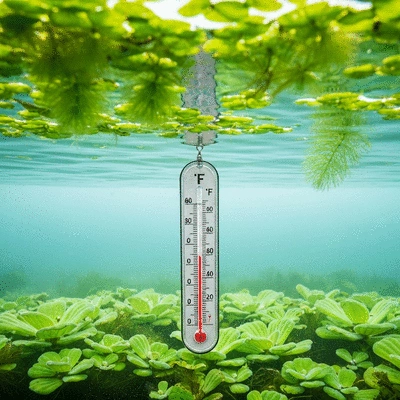
Water temperature is one of the most significant environmental indicators when planning herbicide applications. Different aquatic weeds thrive at different temperatures, which can help us determine the best time for treatment. For instance, many invasive species, like hydrilla and water hyacinth, flourish in warmer water.
By paying attention to these temperature ranges, we can significantly improve the efficacy of our aquatic herbicide applications.
Rainfall patterns have a profound impact on the success of aquatic herbicide applications. Heavy rainfall shortly after application can wash away a significant portion of the herbicide before it has a chance to work effectively. It’s essential to monitor local precipitation forecasts when planning your applications. The U.S. Army Corps of Engineers' annual aquatic pesticide application plan highlights the importance of considering environmental factors, including rainfall, in their management strategies.
In my experience, adjusting herbicide application schedules based on anticipated weather conditions can lead to much better control over aquatic weeds and improved water quality.
Did you know? Timing your aquatic herbicide application not only depends on water temperature but also on the specific life cycles of the target weeds. For example, applying herbicides during the flowering stage of invasive species can drastically reduce their seed production, leading to more effective long-term control.
As we wrap up our discussion on aquatic herbicides, it's vital to revisit the key takeaways regarding timing and safety protocols. Understanding the right timing for herbicide application, alongside adhering to safety measures, can significantly enhance the efficacy of your aquatic weed control efforts. Remember that successful management doesn't just happen overnight; it requires careful planning and consideration of the environment.
To recap effectively, here are some essential points to keep in mind:
By integrating these practices, you can ensure a more holistic approach to managing aquatic weeds while safeguarding the ecosystems we cherish!
At Aquatic Weed Solutions, we believe that continuous learning is essential for anyone involved in aquatic ecosystem management. That's why we offer a range of resources designed to help you navigate the complexities of aquatic herbicide use. Whether you’re a landowner or a waterway manager, our guides provide valuable insights into effective weed control methods. The California Department of Parks and Recreation's annual report on aquatic invasive plant control provides an excellent example of comprehensive resource management and planning.
These resources not only bolster your knowledge but also connect you with a community of like-minded individuals committed to preserving aquatic environments.
When applying aquatic herbicides, it's crucial to be aware of local regulations. Regulatory compliance ensures that your actions are not only legal but also environmentally responsible. Familiarizing yourself with federal, state, and local guidelines will help you make informed choices about herbicide application and its timing.
Here are some key aspects to consider:
Being compliant not only protects your interests but also contributes to the sustainable management of our precious water resources.
Sharing your experiences with aquatic herbicide use can create an invaluable dialogue within your community. I often encourage fellow landowners and managers to share their successes and challenges. This exchange can foster a collaborative approach to aquatic weed management.
Your insights could help others in similar situations navigate their challenges more effectively, promoting a healthier ecosystem for everyone!
Here is a quick recap of the important points discussed in the article:
Aquatic Weed Control Methods Explained
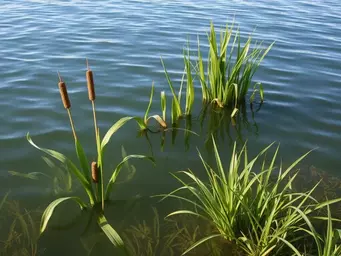
As we dive into the world of aquatic weeds, have you ever wondered what lurks beneath the surface of
Identify Aquatic Weeds Effectively
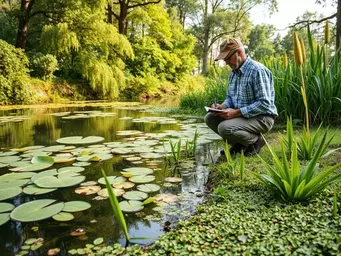
Have you ever glanced at your pond and wondered what unseen challenges it faces? Understanding aquat
Evaluating Your Aquatic Weed Strategy
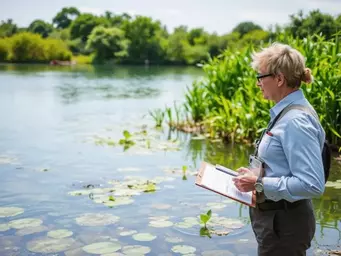
As we delve into the complexities of aquatic weed management, consider this: effective strategies hi
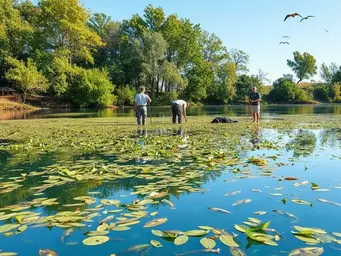
Aquatic Weed Control Methods Explained
Identify Aquatic Weeds Effectively
Evaluating Your Aquatic Weed Strategy
Restoring Ecosystems After Aquatic Weeds
Choosing Aquatic Weed Control Services