
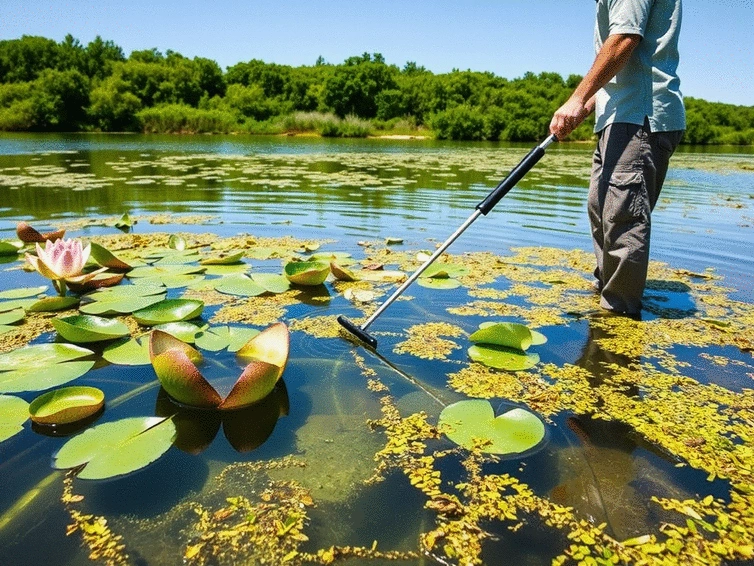
Evaluating Aquatic Weed Control Costs
As we navigate the complexities of aquatic ecosystems, the economic burden posed by invasive aquatic weeds becomes increasingly evident. Understanding these impacts is crucial for communities seeking sustainable solutions.
What You Will Learn
- Aquatic weeds impose significant financial burdens across sectors, particularly impacting recreation and agriculture.
- Effective weed management strategies can lead to healthier ecosystems and reduced control costs.
- Chemical herbicides provide quick results but often come with hidden long-term environmental costs.
- Nonchemical alternatives may require higher initial investments but can lead to more sustainable outcomes in the long run.
- Engaging local communities in weed management fosters ownership and responsibility, enhancing overall effectiveness.
- Conducting thorough economic analyses of control methods is essential for informed decision-making in aquatic weed management.
Economic Impact and Control Methods of Aquatic Weeds
An overview of the financial implications and comparative effectiveness of various aquatic weed management strategies.
Key Economic Impacts of Aquatic Weeds
Losses in
Recreation
Fishing & boating activities suffer due to invasive species.
Increased
Agricultural Costs
Decreased crop yields & higher irrigation needs.
Substantial
Control Expenditures
Costs for chemical & mechanical management methods.
Reduced
Property Value
Invasive weeds can lead to a drop in local property values.
Comparative Aquatic Weed Control Methods
Chemical Herbicides
- Effective for immediate results
- High environmental risks
- Regulatory compliance costs
Mechanical Control
- Effective for removal
- Significant upfront investment
- Ongoing maintenance costs
Nonchemical Alternatives
- Innovative solutions (e.g., UV-C)
- Lower long-term costs
- Minimal environmental impact
The Economic Landscape of Aquatic Weed Control: Understanding Costs and Benefits
As an ecologist and environmental educator, I've seen firsthand the financial strain aquatic weeds can impose on various sectors, including recreation and agriculture. These invasive species not only disrupt ecosystems but also lead to significant economic losses. For example, it’s estimated that the annual cost of managing aquatic weeds exceeds billions of dollars across the United States, impacting everything from tourism in our beloved lakes to crop yields for farmers, as detailed in the Annual Report on the Aquatic Invasive Plant Control Program.
By understanding the key economic impacts of aquatic weeds, we can begin to appreciate the critical need for effective management strategies. These strategies not only help to restore ecological balance but also provide economic benefits by reducing control costs and improving waterway health.
What Are the Key Economic Impacts of Aquatic Weeds?
Aquatic weeds have far-reaching economic impacts that can affect multiple industries. Here are some of the most notable:
- Recreational Losses: Water-based recreational activities, such as fishing and boating, suffer when invasive species take over aquatic environments.
- Agricultural Costs: Farmers may face decreased crop yields and increased irrigation needs due to the presence of aquatic weeds in surrounding waterways.
- Control Expenditures: The costs associated with managing and controlling these weeds can be substantial, involving both chemical and mechanical methods.
- Property Value Decrease: Areas plagued by invasive weeds may see a drop in property values, affecting local economies.
In my experience with Aquatic Weed Solutions, I’ve witnessed how addressing these impacts through proactive management can lead to healthier ecosystems and stronger economic outcomes for communities. Many states, like North Carolina, have established programs, such as the Aquatic Weed Control Program, to mitigate these issues.
Cost-Effectiveness: Analyzing Benefit-Cost Ratios
When evaluating the various methods of aquatic weed control, understanding the benefit-cost ratios is crucial. Different strategies come with distinct costs and outcomes. For example:
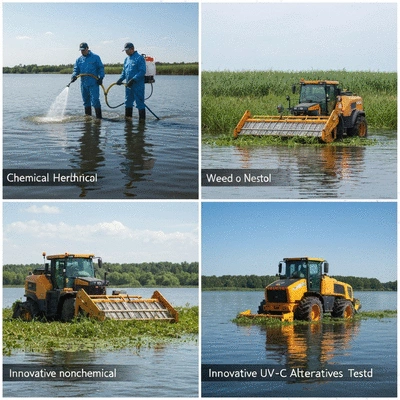
- Chemical Herbicides: While often effective, they come with high environmental risks and regulatory compliance costs.
- Mechanical Control: Techniques like harvesting can be effective but require significant upfront investment and maintenance.
- Nonchemical Alternatives: Options such as UV-C radiation present innovative solutions, often at a lower long-term cost with minimal environmental impact.
By carefully analyzing these ratios, stakeholders can make informed decisions that balance ecological health with economic viability. In my work, I encourage landowners and managers to consider both immediate and long-term costs when choosing a control method. It’s also important to be aware of regulations, such as those outlined in North Carolina General Statute 143-215.73F, which pertain to aquatic weed control.
Understanding Economic Analysis in Aquatic Weed Management
Evolving strategies in aquatic weed management require a thorough understanding of economic analysis. This analysis plays a vital role in determining the effectiveness and sustainability of various control methods. By evaluating factors such as:
- The initial investment required for each method
- The anticipated long-term ecological benefits
- The potential for recurring costs associated with maintenance
We can develop a clearer picture of how to allocate resources effectively. My experience with community engagement at Aquatic Weed Solutions has shown that involving stakeholders in these analyses leads to more sustainable decisions that support both the environment and the economy.
Comparative Analysis of Aquatic Weed Control Methods
In understanding the broader economic landscape, we must dive deeper into the specific control methods available. Each comes with its own set of advantages and challenges, shaping how we manage aquatic ecosystems.
Pro Tip
Consider implementing a combination of control methods for the most effective aquatic weed management. For instance, integrating mechanical removal with nonchemical alternatives can provide immediate relief from invasive species while promoting long-term ecological health. This dual approach not only addresses current infestations but also minimizes the likelihood of future growth, ultimately saving costs and enhancing the sustainability of your waterways.
Frequently Asked Questions About Aquatic Weed Control
What are the primary economic impacts of aquatic weeds?
Aquatic weeds lead to significant economic losses, particularly in recreation, agriculture, and property values. They also incur substantial costs for various control and management efforts.
Why is understanding benefit-cost ratios important in aquatic weed management?
Understanding benefit-cost ratios helps stakeholders make informed decisions by comparing the financial outlay and environmental consequences of different control methods against their potential long-term benefits and effectiveness.
What are the differences between chemical and nonchemical weed control methods?
Chemical herbicides offer quick results but pose high environmental risks and regulatory compliance costs. Nonchemical alternatives, like UV-C radiation, may require higher initial investments but offer lower long-term costs and minimal environmental impact, leading to more sustainable outcomes.
How can community involvement improve aquatic weed management?
Engaging local communities fosters a sense of ownership and responsibility, leading to more active participation in weed management efforts, such as monitoring programs and restoration projects. This collaboration enhances the effectiveness and sustainability of control strategies.
What factors should be considered when conducting an economic analysis for aquatic weed management?
An economic analysis should consider the initial investment for each method, anticipated long-term ecological benefits, and potential recurring maintenance costs. This holistic approach helps in allocating resources effectively and making environmentally and economically sound decisions.
Key Takeaways on Aquatic Weed Control Economics
In examining the economic impacts of aquatic weed control, several key findings emerge. First, it's clear that the financial burden of invasive aquatic species affects various sectors, notably recreation and agriculture. Annual losses can reach into the millions, highlighting the urgent need for effective management strategies. Understanding these costs is crucial for landowners and waterway managers as they navigate the complexities of aquatic weed control.
Moreover, the choice of control methods significantly influences cost-effectiveness. For instance, while chemical herbicides may provide immediate results, their long-term environmental costs and regulatory compliance issues can add financial strain. In contrast, nonchemical alternatives, though often requiring a higher initial investment, may lead to sustainable weed management with lasting benefits. It's essential to weigh these factors carefully when developing management strategies.
- Financial burdens vary across sectors, with recreation and agriculture facing significant losses.
- Immediate results from chemical herbicides come with hidden long-term costs.
- Nonchemical alternatives offer potential for sustainable management but may require more upfront investment.
As I reflect on my experience with Aquatic Weed Solutions, the importance of understanding these economic aspects cannot be overstated. By being informed, we can empower communities to make decisions that protect their waterways while considering financial sustainability.
Next Steps for Effective Aquatic Weed Management
Encouraging stakeholders to take a proactive approach in aquatic weed management is essential. By engaging with the economic analyses presented, individuals and communities can explore new technologies and informed decision-making avenues regarding their specific weed control strategies. Together, we can foster healthier aquatic ecosystems!
As we move forward, I invite local landowners, ecologists, and waterway managers to consider how they can engage with current research and innovative practices to enhance their management strategies. Collaboration is key, and sharing knowledge can lead to effective solutions for combating aquatic weeds.
Stakeholder Engagement: Building Community Involvement in Weed Management
One of the most effective ways to tackle aquatic weed issues is by involving local communities in the decision-making process. By fostering a sense of ownership and responsibility, communities are more likely to participate actively in weed management efforts. Here are some ways to enhance community involvement:
- Organize workshops and educational sessions to raise awareness about aquatic weeds.
- Encourage community-led monitoring programs to identify and report weed infestations.
- Collaborate with local schools or organizations to create restoration projects.
By building a network of engaged stakeholders, we can create a collaborative spirit that drives sustainable practices in aquatic weed management. My goal with Aquatic Weed Solutions is to facilitate this engagement and provide the necessary resources for communities to thrive.
Join the Discussion: Share Your Insights
I believe that sharing experiences and insights is vital for improving our approaches to aquatic weed management. I encourage you to reach out and discuss your strategies, challenges, and successes. Engaging in dialogue can lead to innovative solutions and foster a supportive community in tackling these persistent problems.
Feel free to comment below with your thoughts or reach out through our website. Whether you have implemented a successful control method or faced obstacles in your management journey, your contributions can illuminate the path for others in the industry. Together, we can cultivate healthier waterways for future generations!
Recap of Key Points
Here is a quick recap of the important points discussed in the article:
- Aquatic weeds impose significant financial burdens on sectors like recreation and agriculture.
- Understanding benefit-cost ratios is essential for evaluating different aquatic weed control methods.
- Chemical herbicides may provide immediate results but have long-term environmental costs.
- Nonchemical alternatives can lead to sustainable management with lasting benefits.
- Engaging local communities in weed management fosters ownership and responsibility.
Aquatic Weed Control Methods Explained
Identify Aquatic Weeds Effectively
Evaluating Your Aquatic Weed Strategy
Restoring Ecosystems After Aquatic Weeds
Choosing Aquatic Weed Control Services