
Regulatory Framework Overview
Triploid grass carp are regulated by a combination of federal and state laws to prevent ecological disruption while allowing effective weed control.
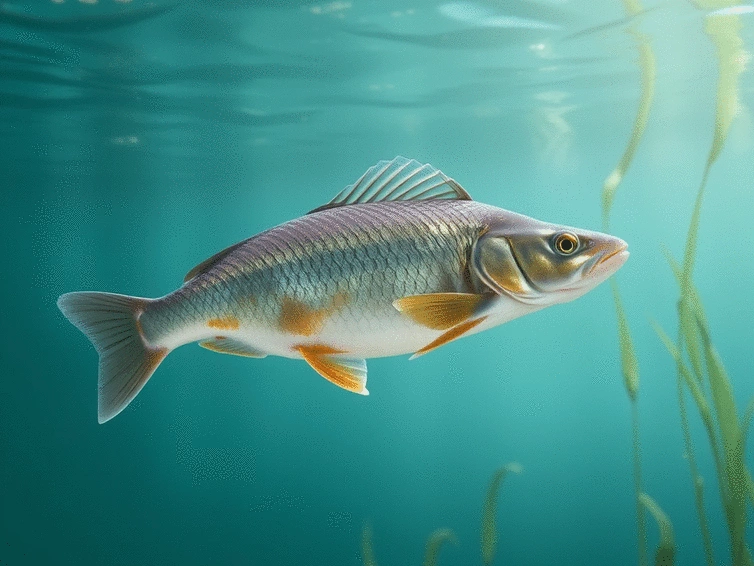
In the realm of aquatic management, understanding the legalities surrounding triploid grass carp is crucial for sustainable practices. As these fish play a significant role in controlling invasive species, being informed about regulations and the ecological impacts of their use is essential. Here’s a distilled overview of key insights that will empower you to engage responsibly with this vital resource.
The use of triploid grass carp for aquatic weed management is governed by a multi-layered regulatory framework, involving both federal and state authorities. This visual outlines the key entities and their roles in ensuring responsible and effective management.
Triploid grass carp are regulated by a combination of federal and state laws to prevent ecological disruption while allowing effective weed control.
The Environmental Protection Agency (EPA) sets baseline standards for aquatic weed management, focusing on water quality protection and preventing the introduction of harmful species.
The California Department of Fish and Wildlife (CDFW) regulates triploid grass carp use within the state, including permit processes and conservation goals.
From state regulatory body.
Confirm fish are sterile.
Follow guidelines.
As aquatic weed management continues to evolve, understanding the legal framework surrounding triploid grass carp usage is essential. These fish play a pivotal role in controlling invasive aquatic weeds, but their use is governed by a complex web of regulations. At Aquatic Weed Solutions, we emphasize the importance of being well-informed about these guidelines to ensure effective and responsible management.
By familiarizing ourselves with the legal landscape, we can make educated decisions that not only benefit our waterways but also comply with existing laws. This section will provide a comprehensive overview of triploid grass carp, including their definition, importance, the weeds they target, and regulatory authorities involved in their management.
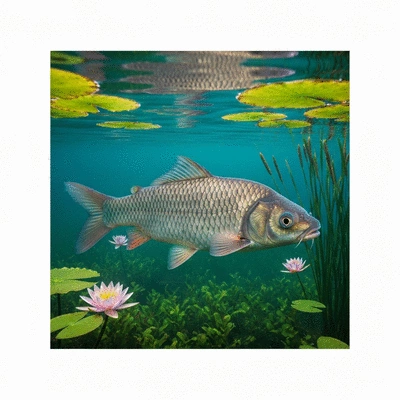
Triploid grass carp are a specific breed of grass carp that are sterile, meaning they cannot reproduce. This characteristic makes them an effective tool for managing aquatic weeds without the risk of population explosion in local ecosystems. Their ability to consume large quantities of aquatic vegetation helps restore balance to overgrown waterways. For more detailed information on their management, the Interjurisdictional Committee for the Culture and Control of Carp (ICRCCC) provides valuable resources.
Understanding the importance of triploid grass carp in weed management allows us to appreciate their role as biological control agents. However, their utilization must be managed carefully to avoid unintended ecological consequences.
Triploid grass carp are a crucial part of the aquatic ecosystem management toolkit. Their sterile nature makes them a preferred choice for controlling invasive plant species without the concern of them breeding in natural waters. This not only aids in maintaining the integrity of local habitats but also enhances recreational opportunities for communities that rely on clean, healthy waterways.
As a passionate ecologist, I have seen firsthand the positive effects of introducing these fish into affected areas. They help reduce excessive vegetation, which can otherwise choke waterways and disrupt the habitats of native species.
Triploid grass carp are particularly effective against several common aquatic weeds, including:
By targeting these prevalent invasive species, triploid grass carp contribute significantly to the restoration and maintenance of healthy aquatic ecosystems. Understanding the weeds they target allows us to make informed decisions about their usage in specific waterways. Further insights into adaptive strategies for managing grass carp populations can be found in resources like the Grass Carp Adaptive Response Strategy.
When it comes to the management of triploid grass carp, various regulatory authorities play critical roles. These include state and federal agencies that govern the use of biological control methods to ensure both ecological safety and compliance with local laws.
Understanding who governs these regulations is essential for anyone involved in aquatic weed management. It helps us navigate the often intricate permit processes and compliance requirements.
Both state and federal regulations govern the use of triploid grass carp, but their focus and enforcement can differ significantly. While federal guidelines set overarching frameworks, individual states have the authority to implement specific regulations based on local ecological conditions.
The CDFW plays a vital role in regulating the use of triploid grass carp in California. They oversee the permit application process and ensure that any introduction of these fish aligns with the state's conservation goals.
As someone deeply engaged in aquatic ecosystem management, I appreciate the guidance provided by the CDFW. Their expertise in local conditions is invaluable in crafting appropriate guidelines for the effective use of triploid grass carp.
The EPA establishes federal guidelines that serve as a foundation for aquatic weed management strategies. Their regulations focus on protecting water quality and preventing the introduction of harmful species into new areas.
For those of us working in aquatic management, it's essential to stay updated on the EPA's guidelines, as they directly influence state regulations and our actions in the field. By working within these frameworks, we can ensure that our practices promote ecological health while effectively managing invasive species. The U.S. Geological Survey (USGS) also offers comprehensive reports and publications on aquatic invasive species, including grass carp, providing critical data for informed decision-making.
To maximize the effectiveness of triploid grass carp in controlling invasive aquatic weeds, consider integrating them with other management strategies. Combining biological control with mechanical removal or targeted herbicide application can create a more balanced approach, ensuring that local ecosystems thrive while minimizing the risk of unintended consequences.
As we navigate the waters of aquatic weed management, it's crucial to understand the legal landscape surrounding the use of triploid grass carp. This knowledge not only helps in ensuring compliance but also promotes sustainable practices that protect our aquatic ecosystems. By being informed, you can effectively manage your waterways while adhering to necessary regulations.

To recap, permitting and compliance requirements dictate how we can responsibly utilize grass carp in our water bodies. Each state may have unique regulations, but awareness of the common permits, such as those related to stocking and triploidy certification, is essential for anyone looking to introduce these fish into their ecosystems. Following these guidelines is vital to maintaining healthy waterways.
It's important to familiarize yourself with the necessary permits and compliance requirements before stocking grass carp. Here’s a quick summary of the key requirements you should consider:
Responsible management practices not only foster ecological balance but also protect you from potential legal repercussions. By adhering to these practices, we can ensure that grass carp serve their purpose in controlling invasive aquatic weeds without harming native species.
Engaging in responsible management of triploid grass carp is crucial. It’s not just about compliance; it's about fostering an ecologically balanced environment. When we follow best practices, we minimize the risks associated with weed control and help protect the native biodiversity of our waterways. This ensures healthier ecosystems for both wildlife and communities.
Taking the initiative to engage with local regulatory bodies is the first step towards responsible grass carp stocking. Here’s how you can start the permit application process effectively:
Utilizing resources and tools can significantly streamline your compliance efforts. As someone dedicated to preserving aquatic ecosystems, I encourage you to tap into the wealth of information available through local ecological organizations and governmental bodies.
There are numerous resources available to assist you in navigating the complexities of the permit process. Websites provided by state fish and wildlife agencies often have detailed guides and contact information that can help clarify any uncertainties. Utilizing these resources ensures that you are well-informed and prepared to tackle the complexities of grass carp management.
At Aquatic Weed Solutions, we believe that community involvement is a vital component of effective aquatic weed management. By fostering awareness and understanding among local communities, we can make significant strides towards sustainable practices that benefit everyone.
Local communities play a pivotal role in promoting best practices in aquatic weed management. Here are some ways communities can contribute:
By actively participating in such initiatives, communities can foster a sense of stewardship towards their waterways, ultimately leading to healthier ecosystems!
Improper stocking of triploid grass carp can have severe consequences on local aquatic ecosystems. It's essential to raise awareness about these potential risks, including:
Sharing information about these risks can encourage responsible stocking practices, ensuring that all stakeholders are aware of their impact on the aquatic environment.
Engaging stakeholders, including landowners, ecologists, and waterway managers, is crucial for developing a collaborative approach to aquatic ecosystem management. By working together, we can implement strategies that enhance biodiversity and promote sustainable practices. It’s all about sharing insights and ideas, so we can collectively contribute to thriving aquatic habitats!
Here is a quick recap of the important points discussed in the article:
Aquatic Weed Control Methods Explained
As we dive into the world of aquatic weeds, have you ever wondered what lurks beneath the surface of
Identify Aquatic Weeds Effectively

Have you ever glanced at your pond and wondered what unseen challenges it faces? Understanding aquat
Evaluating Your Aquatic Weed Strategy

As we delve into the complexities of aquatic weed management, consider this: effective strategies hi
Aquatic Weed Control Methods Explained
Identify Aquatic Weeds Effectively
Evaluating Your Aquatic Weed Strategy
Restoring Ecosystems After Aquatic Weeds
Choosing Aquatic Weed Control Services