Welcome to Aquatic Weed Solutions. We offer expert insights and guides for identifying and managing aquatic weeds, fostering healthy water habitats. Explore and be inspired!
When it comes to maintaining the health of our aquatic ecosystems, knowledge is your most powerful tool. With the right insights, you can successfully manage waterway vegetation and promote biodiversity in your local environment.
What You Will Learn
Aquatic weeds can disrupt ecosystems by outcompeting native species and reducing biodiversity.
There are three main types of aquatic weeds: emergent, floating, and submerged, each with unique characteristics and management needs.
Identifying common pond weeds like hydrilla and water hyacinth is crucial for effective management.
Manual removal techniques are cost-effective and environmentally friendly alternatives to chemical treatments.
Engaging with local communities enhances conservation efforts and fosters shared knowledge on aquatic weed management.
Regular monitoring and preventative measures can help maintain the health and balance of your aquatic ecosystem.
Managing Aquatic Weeds: Benefits of Manual Removal & Community Impact
This visual highlights the advantages of manual aquatic weed removal and the collective power of community involvement in waterway conservation.
Benefits of Manual Removal Techniques
✓**Cost-effective:** Saves money on commercial treatments.
✓**Environmentally friendly:** Minimizes chemical use.
✓**Empowerment:** Fosters a sense of accomplishment.
✓**Immediate results:** Visible impact right away.
Community Involvement in Conservation
►**Join local groups:** Connect with conservationists.
►**Attend workshops:** Learn best practices from experts.
►**Volunteer for cleanup days:** Make a tangible difference.
►**Citizen science:** Contribute data for monitoring.
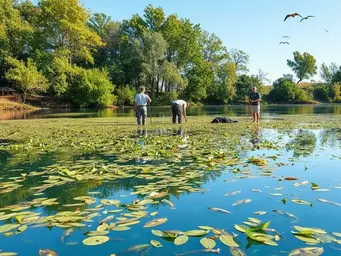
Have you ever strolled by a pond or lake and noticed patches of green floating on the surface? Those could very well be aquatic weeds, and understanding them is the first step towards effective management! Aquatic weeds are plants that grow in or near water and can disrupt the ecological balance of aquatic ecosystems by outcompeting native species, reducing biodiversity, and affecting water quality. For more in-depth information, you can refer to this comprehensive study on aquatic weed management.
Controlling these invasive plants is crucial for maintaining healthy waterways. By recognizing and managing aquatic weeds, we can foster a thriving environment for fish, birds, and other wildlife. Let’s explore the common types of pond weeds and why they matter!
What Are Aquatic Weeds and Why Control Them?
Aquatic weeds include various species that thrive in freshwater environments. They can be broadly categorized into three groups: emergent plants that grow above the water, floating plants that float on the surface, and submerged plants that live beneath the water. Each type has unique characteristics and potential impacts on aquatic ecosystems. For detailed guidance on managing different types of aquatic plants, consult this guide from the Washington State Department of Ecology.
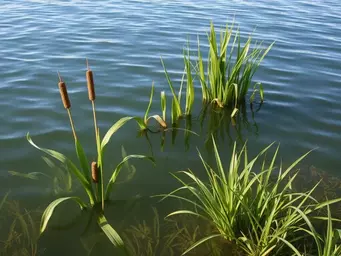
Emergent plants: Examples include cattails and bulrushes, which can provide habitat but can overgrow and choke waterways.
Floating plants: Water hyacinth and duckweed can rapidly cover surfaces, limiting sunlight for other plants and affecting oxygen levels.
Submerged plants: Species like hydrilla can outcompete native vegetation, disrupting the food chain.
Controlling these weeds is vital for protecting biodiversity and ensuring that water quality remains high. By monitoring and managing these species, you can help restore the natural balance of your aquatic environment.
Identifying Common Types of Pond Weeds
Being able to identify common pond weeds is an essential skill for any landowner or waterway manager. Some of the most prevalent species include:
Hydrilla: A fast-growing invasive plant that can form dense mats.
Water Hyacinth: Recognizable by its purple flowers, this plant can cover entire lakes.
Cattails: While native, they can dominate shallow waters if left unchecked.
By familiarizing yourself with these species, you can assess their populations in your waterway and take appropriate management actions. Remember, prevention and early intervention are key!
Recognizing Aquatic Invasive Species and Their Impact
Aquatic invasive species can pose serious threats to local ecosystems. They often grow unchecked, outcompeting native species for resources and altering the habitat. Recognizing these invaders is essential to effective management. This training manual on aquatic weed management provides further insights into identifying and controlling invasive species.
Common Reed: This tall grass forms dense stands that can choke waterways.
Curly-leaf Pondweed: A submerged plant that can disrupt fish spawning grounds.
Giant Salvinia: A floating fern that can double in size every few days, creating havoc in aquatic environments.
By identifying these invasive species early, we can take steps to control their spread and protect the integrity of our water ecosystems. At Aquatic Weed Solutions, we provide resources to help you recognize and manage these challenges effectively!
Pro Tip
Did you know that introducing native plant species around your pond can help suppress the growth of invasive aquatic weeds? By creating a balanced ecosystem, you not only enhance biodiversity but also provide natural competition for space and resources, making it harder for invasive species to thrive. Consider incorporating native flora into your pond management plan!
Frequently Asked Questions About Aquatic Weed Management
Q1: What are aquatic weeds and why are they a problem?
Aquatic weeds are plants that grow in or near water, disrupting ecological balance by outcompeting native species, reducing biodiversity, and affecting water quality. Controlling them is essential for maintaining healthy aquatic ecosystems.
Q2: What are the main types of aquatic weeds?
Aquatic weeds are categorized into three main types: emergent plants (grow above water, e.g., cattails), floating plants (float on the surface, e.g., water hyacinth), and submerged plants (live beneath the water, e.g., hydrilla).
Q3: Why is identifying common pond weeds important?
Identifying common pond weeds like hydrilla, water hyacinth, and cattails is crucial for effective management. Early identification allows for timely intervention and appropriate management actions, preventing widespread infestation.
Q4: What are the benefits of manual aquatic weed removal?
Manual removal techniques are cost-effective, environmentally friendly (minimizing chemical use), empower individuals by fostering a sense of accomplishment, and often provide immediate, visible results.
Q5: How can community involvement help in waterway conservation?
Community involvement is vital for successful waterway conservation. Joining local groups, attending workshops, volunteering for cleanup days, and participating in citizen science projects can amplify impact, share knowledge, and foster a culture of stewardship.
Wrapping Up Your DIY Aquatic Weed Management Journey
As we conclude our exploration of DIY aquatic weed management, it's important to reflect on the numerous benefits that manual removal techniques can offer. Not only do they allow you to take an active role in maintaining your waterway's health, but they also foster a deeper connection to the ecosystem. By engaging in these practices, you’re not just managing weeds—you're becoming a steward of your aquatic habitat!
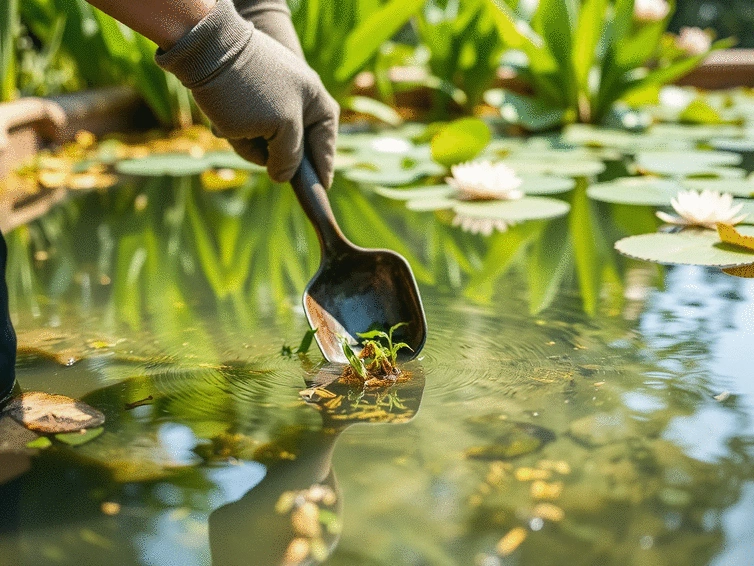
Manual removal can be a satisfying and effective way to combat pesky aquatic weeds while promoting biodiversity. With each successful pull or rake, you contribute to a healthier ecosystem. This hands-on approach is also a great way to learn about the specific plants in your pond and their unique roles within the aquatic community.
Evaluating the Benefits of Manual Removal Techniques
Let’s take a moment to evaluate why manual removal techniques, such as hand pulling and using homemade tools, are often preferable for small-scale infestations:
Cost-effective: DIY methods save you money on commercial treatments.
Environmentally friendly: These techniques minimize chemical use, protecting local wildlife.
Empowerment: Taking control of your pond's health fosters a sense of accomplishment.
Immediate results: You can often see the effects of your efforts right away!
By embracing these techniques, you’re actively participating in the ecological balance of your waterway and setting a precedent for sustainable management practices. Remember, every small effort contributes to larger ecological health!
Next Steps for Effective Pond Care
After successfully removing aquatic weeds, it's time to think about long-term pond care. Here are some next steps you can take to ensure your waterway remains balanced and thriving:
Regularly monitor your pond for new weed growth.
Implement preventative measures, like native planting, to keep weeds at bay.
Engage with your local ecological community to share knowledge and resources.
Consider water quality management practices to support overall ecosystem health.
By following these steps, you can maintain the vitality of your pond and create a habitat where both aquatic life and community thrive. It’s all about building a sustainable future together!
Exploring the Role of Community Involvement in Waterway Conservation
Community involvement is crucial for the success of any waterway conservation effort. By collaborating with local ecologists, landowners, and waterway managers, we can amplify our impact on aquatic ecosystems. Here’s how you can get involved:
Join local conservation groups: Connect with others who share your passion for healthy waterways.
Attend workshops and educational events: Learn from experts and stay informed about best practices.
Volunteer for cleanup days: Help make a tangible difference in your community’s aquatic habitats.
Participate in citizen science projects: Contribute data that can aid in monitoring and managing aquatic ecosystems.
By engaging with your community, you not only enhance your own knowledge but also inspire others to take action. Together, we can foster a culture of conservation and ensure our waterways remain vibrant and healthy for future generations!
Engaging With Your Aquatic Ecosystem
As we wrap up this section, it’s vital to remember that engaging with your aquatic ecosystem is more than just managing weeds; it’s about building relationships with your environment. I encourage you to become an active participant in your community of DIY aquatic weed controllers, sharing your experiences and learning from one another!
Join the Community of DIY Aquatic Weed Controllers
Joining a community of like-minded individuals can be incredibly rewarding. You can exchange tips, share successes, and even troubleshoot challenges together. Here’s how you can start:
Find local groups focused on aquatic conservation.
Connect through social media to share advice and experiences.
Organize community events, such as weed removal days.
Being part of a community not only keeps you motivated but also creates a sense of camaraderie as you work toward a common goal!
Sharing Your Success Stories and Learning from Others
Don’t underestimate the power of sharing your journey! When you share your success stories, you inspire others to take action as well. Here are some ideas on how to spread the word:
Write blog posts or social media updates about your experiences.
Document before-and-after photos of your pond for visual impact.
Participate in forums or discussion groups to exchange insights.
Each story adds to the collective knowledge and can motivate someone else to tackle their own aquatic weed issues. Plus, it’s a great way to celebrate the victories, no matter how small!
Participating in Local Education and Outreach Programs
Education and outreach are key components of effective aquatic weed management. Consider these opportunities to get involved:
Attend local workshops hosted by conservation organizations.
Volunteer to teach others about aquatic weeds and management techniques.
Help with community surveys to assess the health of local water bodies.
By participating in these programs, you not only enhance your own understanding but also contribute to a larger movement toward sustainable waterway management. Together, we can make a significant difference!
Recap of Key Points
Here is a quick recap of the important points discussed in the article:
Understanding aquatic weeds is crucial for maintaining healthy waterways and biodiversity.
Identifying common types of pond weeds, such as hydrilla and water hyacinth, is essential for effective management.
Manual removal techniques are cost-effective and environmentally friendly, empowering individuals in their conservation efforts.
Regular monitoring and preventive measures, like native planting, help maintain aquatic ecosystems.
Community involvement is vital for successful waterway conservation, enhancing knowledge and fostering a culture of stewardship.
At Aquatic Weed Solutions, we are dedicated to informing landowners, ecologists, and waterway managers about aquatic weeds and their effective management. Our mission is to empower you with knowledge and tools to identify, manage, and restore balanced aquatic habitats.

Aquatic Weed Control Methods Explained
Identify Aquatic Weeds Effectively
Evaluating Your Aquatic Weed Strategy
Restoring Ecosystems After Aquatic Weeds
Choosing Aquatic Weed Control Services