
Ecosystem Impacts of Herbicides
- ✓ Reduced photosynthesis & oxygen levels.
- ✓ Altered food web dynamics.
- ✓ Increased invasive species susceptibility.
- ✓ Loss of habitat for invertebrates/fish.
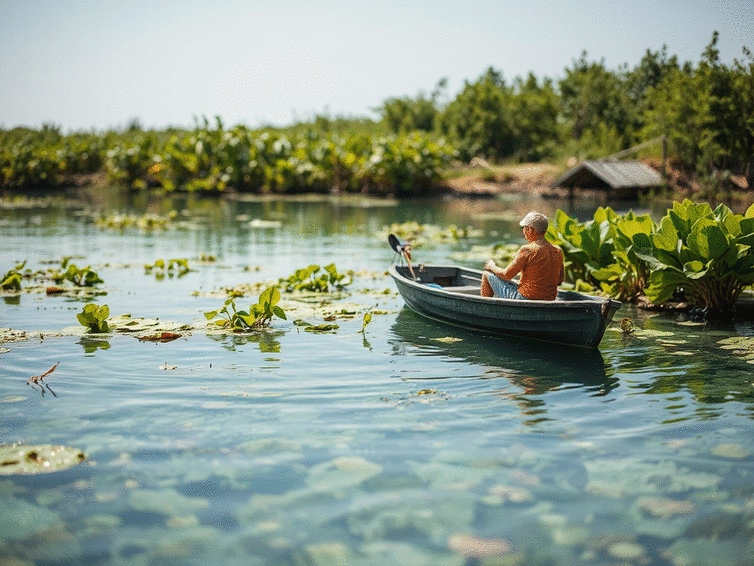
What if the solution to preserving our aquatic ecosystems lies in understanding the tools we use to manage them? The balance between effective weed control and environmental health is delicate, making it essential to grasp the impacts of aquatic herbicides.
This visual highlights the key impacts of aquatic herbicides on ecosystems and the communication strategies used for responsible management.
As we explore the world of aquatic habitats, it's crucial to understand how aquatic herbicides impact these environments. These chemicals can significantly alter the dynamics of aquatic ecosystems, affecting everything from plant life to fish populations. By examining the mechanisms through which herbicides work, we can better appreciate their effects and make informed decisions regarding their use.
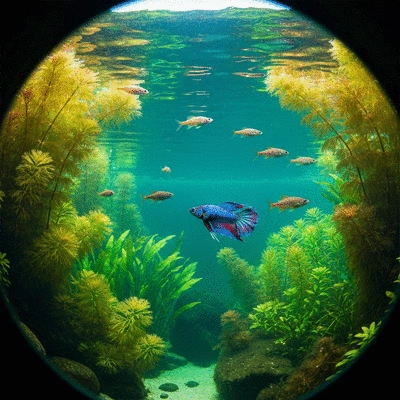
Aquatic herbicides primarily target specific plant species, but their influence extends to the broader ecosystem. For instance, the reduction of certain aquatic plants can lead to decreased photosynthesis, impacting oxygen levels in the water. This change can shift community structures, resulting in the loss of habitat for invertebrates and fish, which rely on a balanced ecosystem for survival. For more in-depth information on how herbicides can disrupt these delicate balances, refer to studies on their ecotoxicological effects.
Aquatic ecosystems are complex, and the introduction of herbicides can have cascading effects. When these chemicals are applied, they can disrupt the natural balance, leading to community shifts that may not be immediately apparent. The loss of native vegetation can open the door for invasive species to thrive, further complicating management efforts.
As an ecologist, I often witness these changes firsthand. For instance, after applying certain herbicides, I've observed shifts in fish populations, where native species decline while invasive species proliferate. Understanding these reactions is vital for anyone involved in aquatic management.
There are various types of aquatic herbicides, each with unique active ingredients that can have significant ecological impacts. Some common examples include:
When considering these herbicides, it's essential to weigh their effectiveness against the potential risks they pose to aquatic life. My experience has shown that caution and thorough knowledge of the active ingredients play a crucial role in responsible management.
Among the various herbicides, glyphosate and 2,4-D are often discussed due to their widespread use. Glyphosate is a non-selective herbicide, meaning it can affect all plant species, which raises significant environmental concerns when used in aquatic settings. On the other hand, 2,4-D is more selective but still poses risks to non-target organisms. For detailed guidelines and best practices regarding aquatic herbicide applications, including these compounds, the Washington State Department of Ecology provides comprehensive resources.
In my work with Aquatic Weed Solutions, I emphasize the significance of considering the environmental implications of these chemicals. Taking steps to understand their effects can lead to better practices that protect our precious aquatic ecosystems.
When applying aquatic herbicides, consider using targeted application techniques to minimize impact on non-target species. Techniques such as spot treatments or using localized delivery systems can significantly reduce the risk of collateral damage to beneficial aquatic life.
Effective communication is crucial when it comes to aquatic herbicide applications. It ensures that all stakeholders, including landowners, ecologists, and the general public, are aware of the actions taken and their potential impacts. By utilizing clear templates and guidelines, we can promote transparency and foster trust within our communities.
At Aquatic Weed Solutions, we believe that proactive communication can significantly mitigate concerns. Here are some templates and guidelines for public notices regarding herbicide applications:
By using these templates, stakeholders will have access to essential information, allowing them to make informed decisions. Moreover, it shows a commitment to environmental stewardship and public safety.
A: Aquatic herbicides can drastically alter ecosystems by reducing photosynthesis, impacting oxygen levels, altering food web dynamics, and increasing the susceptibility of habitats to invasive species. They can also lead to the loss of habitat for invertebrates and fish.
A: Herbicides like Copper sulfate (toxic to fish/invertebrates), Hydrothol® (impacts water quality), Aquathol® (affects non-target species), and Glyphosate (non-selective, potential water contamination) are among those that require careful consideration due to their ecological impacts.
A: Glyphosate is a non-selective herbicide, meaning it can harm all plant life, including beneficial native species, and poses a risk of water contamination. 2,4-D is more selective but still requires careful application to avoid harming non-target organisms and can affect flowering plants important for pollinators.
A: Effective communication ensures transparency and builds trust with stakeholders, including landowners and the public. It helps inform them about the herbicides being used, the application areas and times, potential impacts, and measures taken to mitigate risks, fostering informed decision-making and environmental stewardship.
A: Sustainable management involves selecting the right herbicides, applying them responsibly through targeted techniques, continuously monitoring outcomes, and adapting strategies based on assessment. This approach helps balance weed control with the long-term health of aquatic ecosystems and biodiversity.
Sustainable aquatic herbicide management requires a careful balance. As I often emphasize in my work with landowners and waterway managers, selecting the right herbicide and applying it responsibly can lead to healthier ecosystems. This means considering not only the immediate effects but also the long-term impacts on biodiversity and water quality. The role of these chemicals in ecosystem health and management is a subject of ongoing research, as highlighted by recent studies on environmental science.
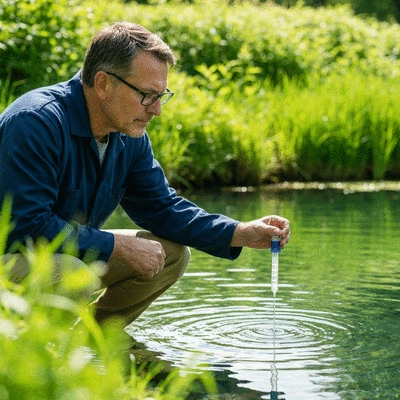
By continually monitoring outcomes and adapting management strategies, we can ensure that our waterways thrive. Ongoing assessment is vital, and I encourage everyone involved in aquatic management to remain vigilant and proactive. This approach fosters resilience in our aquatic ecosystems while addressing the challenges posed by invasive species.
To support our community's efforts, I invite you to utilize a range of resources available through Aquatic Weed Solutions. We provide downloadable tools such as:
These resources are designed to empower practitioners with the knowledge and tools necessary to manage aquatic ecosystems effectively. Together, we can protect our waterways while effectively addressing the challenges posed by invasive aquatic weeds!
Here is a quick recap of the important points discussed in the article:
Aquatic Weed Control Methods Explained
As we dive into the world of aquatic weeds, have you ever wondered what lurks beneath the surface of
Identify Aquatic Weeds Effectively
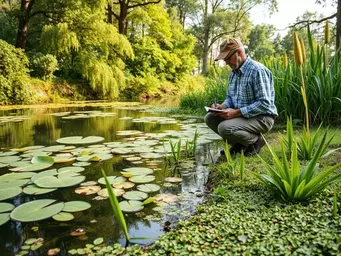
Have you ever glanced at your pond and wondered what unseen challenges it faces? Understanding aquat
Evaluating Your Aquatic Weed Strategy
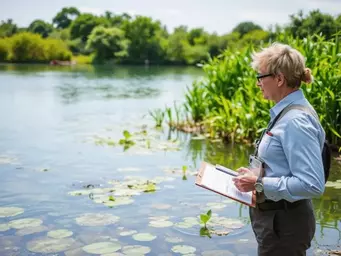
As we delve into the complexities of aquatic weed management, consider this: effective strategies hi
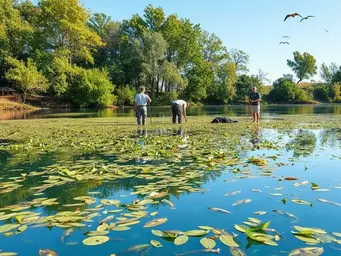
Aquatic Weed Control Methods Explained
Identify Aquatic Weeds Effectively
Evaluating Your Aquatic Weed Strategy
Restoring Ecosystems After Aquatic Weeds
Choosing Aquatic Weed Control Services